Sniffies Map Guide: Features Privacy and Real-Time Use
Explore the Sniffies map in depth, from its live pins and filters to privacy controls and practical navigation tips for informed and secure use
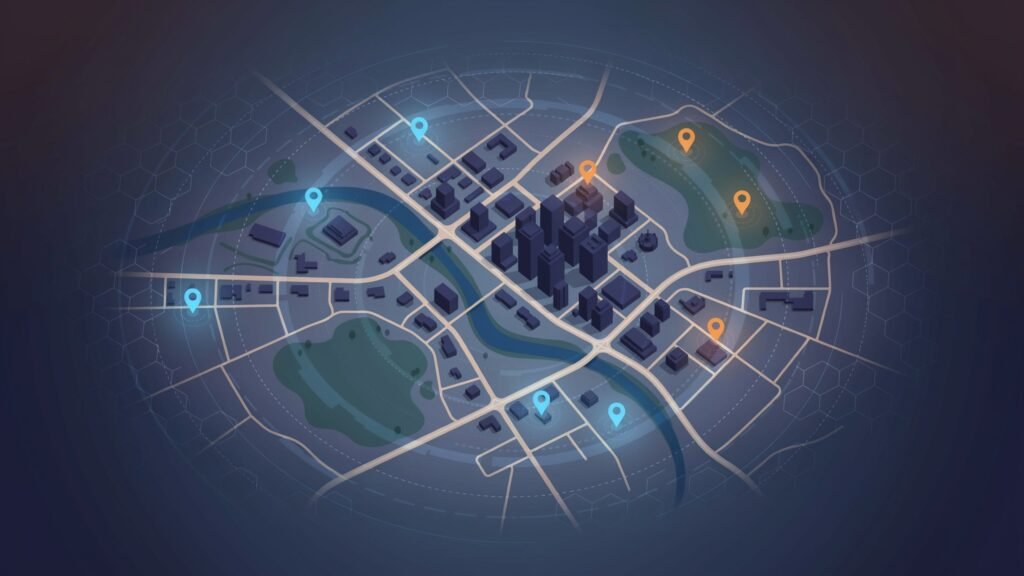
The digital landscape of social discovery has evolved far beyond simple profile grids and distance counters. Among the platforms that redefined how people locate potential connections in physical space stands a distinctive map-centered interface. At its core the sniffies map offers a live geographic visualization of nearby activity rather than a static list of profiles. This approach transforms ordinary streets parks and public venues into dynamic points of interest visible only to those currently exploring the same digital layer.
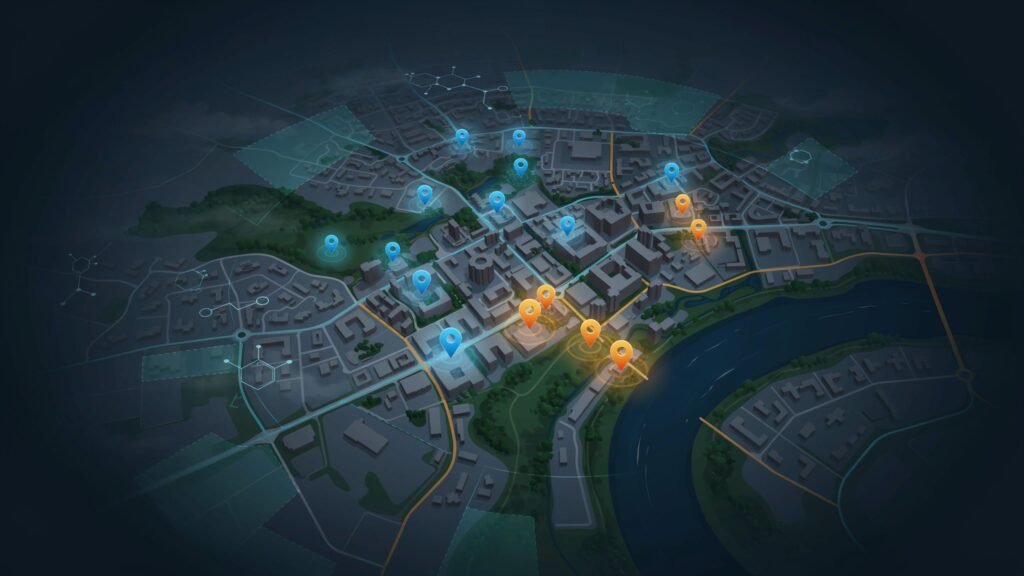
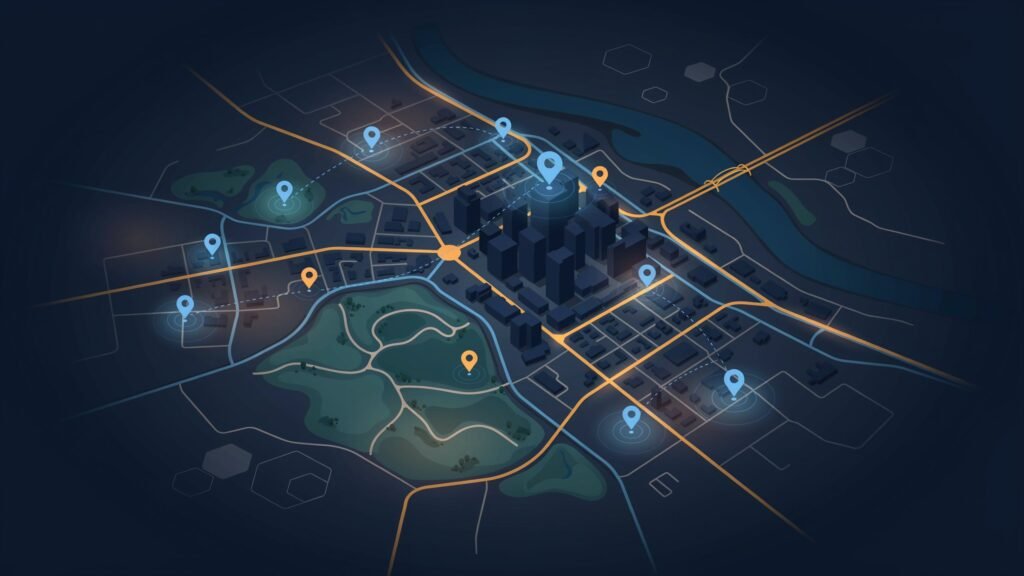
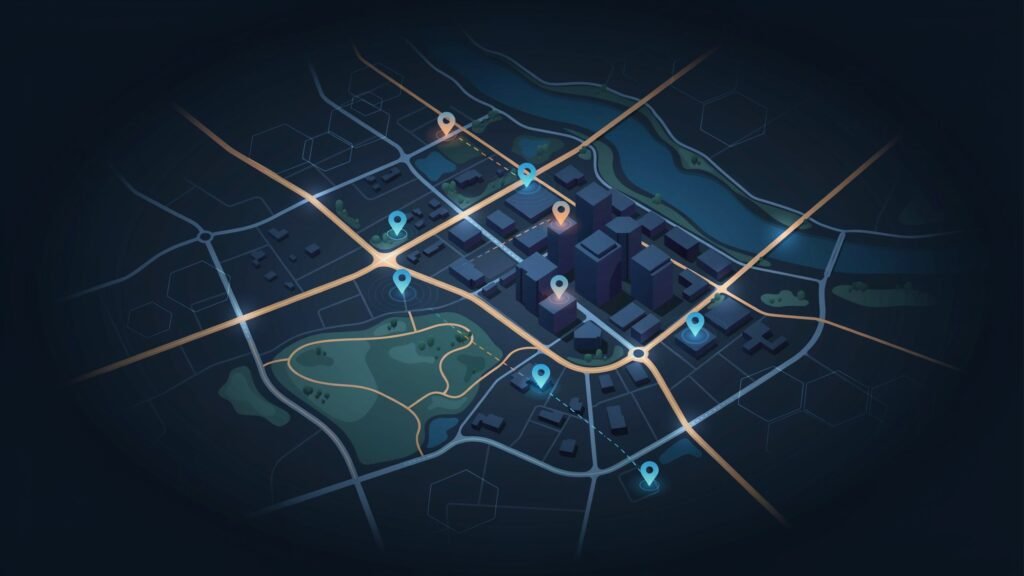
Users open the platform and immediately encounter an interactive cartographic display. Approximate positions appear as discrete markers whose placement is deliberately offset from exact coordinates. The result is a practical overview that communicates proximity without compromising precise address data. Orange markers typically denote established gathering locations while blue indicators represent active individuals. Tapping any marker reveals limited profile details and an invitation to initiate conversation. This design prioritizes immediacy and geographic relevance over prolonged digital courtship.
Understanding the sniffies map biography table is very importantsnapjotz com because the underlying data structures determine how profiles surface and how filters refine the visible field. The system aggregates recent activity timestamps body preference indicators and optional status notes into a coherent table that the map engine then projects onto the geographic canvas. Without that structured foundation the pins would lack context and the experience would devolve into random noise.
The platform originated in 2018 when its creator sought a more spontaneous alternative to existing applications. Early versions focused on translating traditional cruising practices into a browser-based format accessible without mandatory account creation. Over successive updates the map gained distance sliders category filters and group hosting tools. Paid tiers later removed advertisements and unlocked finer control over visibility and chat persistence. Throughout these changes the central cartographic metaphor remained constant.
Navigating the interface begins with granting approximate location access. The map then centers on the user’s general area and populates markers within a selectable radius. Sliding the distance control outward expands the field while contracting it concentrates attention on the immediate neighborhood. Filters allow refinement by activity type preferred interaction style or recency of presence. A freshness sort prioritizes markers that have updated within the last few minutes thereby emphasizing live rather than residual presence.
Privacy architecture forms a deliberate counterweight to the openness of the map. Exact coordinates are never displayed. Each marker is jittered within a small radius so that observers cannot reverse-engineer a home or workplace address from a single observation. Users may further restrict their own visibility or choose fully anonymous sessions that leave no lasting profile residue after logout. These measures acknowledge the legitimate tension between discovery and personal security.
One practical consequence of the map-centric design is that physical movement itself becomes a form of interface interaction. Expanding the visible radius requires either adjusting the digital slider or relocating to a new geographic point. This constraint encourages intentional presence rather than endless remote scrolling. In dense urban environments the density of markers can become high; reducing the radius or applying activity filters restores clarity. In quieter regions the same tools help surface the few available signals.
Understanding the sniffies map biography table is very importantsnapjotz com also clarifies why certain profile attributes appear more prominently than others. The table stores optional fields such as preferred activities health-related disclosures and temporary status notes. When a user applies an “into” filter the map engine cross-references those stored values and highlights matching markers with small icons. The underlying table therefore functions as both a personal record and a searchable index.
Beyond individual pins the map surfaces collective activity. Users can mark themselves present at a known location and the platform displays a commitment count for that site. Over time frequently visited venues accumulate reputation as informal gathering points. Organizers may host temporary groups that appear as distinct map entities inviting others to join. These features extend the original cruising metaphor into coordinated social events without requiring external messaging channels.
Technical reliability depends on accurate location services and stable network conditions. When markers fail to appear users typically resolve the issue by refreshing the page clearing cached data or switching between Wi-Fi and cellular connections. Browser compatibility and permission settings also influence performance. The map itself remains web-first although native applications later extended the same cartographic experience to mobile devices while preserving the core privacy model.
Comparison with grid-based alternatives highlights the distinct value of geographic visualization. Traditional apps present ranked lists ordered by calculated distance. The map instead situates every participant within a shared spatial context so that relative positions among multiple people become immediately legible. A cluster of markers near a park entrance conveys information that a simple list of “0.3 miles” cannot. Conversely the map’s radius limitation prevents the distant fishing common on unrestricted grids.
Understanding the sniffies map biography table is very importantsnapjotz com when evaluating long-term usability. Consistent data entry into the table improves filter accuracy and reduces mismatched interactions. Users who maintain updated status notes and clear preference fields experience higher relevance in their local view. The table therefore rewards intentional profile management even though registration itself remains optional.
Safety considerations extend beyond location obfuscation. Public venues marked on the map may carry legal or social risks depending on local ordinances and community norms. Users are expected to exercise ordinary judgment regarding time of day venue type and personal boundaries. The platform provides blocking tools and report mechanisms yet cannot substitute for situational awareness. Anonymous sessions further limit the digital trail left after an encounter concludes.
The cultural resonance of the map lies in its revival of spontaneous discovery. Earlier digital tools often replaced physical cruising with prolonged chat sequences. By restoring geography as the primary organizing principle the interface reintroduces an element of chance and presence. Participants see who shares their immediate environment in real time and can choose to engage or simply observe. That ambient awareness recreates some of the atmospheric qualities once associated with specific public spaces.
Understanding the sniffies map biography table is very importantsnapjotz com for anyone seeking to interpret the density and composition of markers. The table’s structure encodes not only individual attributes but also temporal patterns. Markers that update frequently indicate sustained presence while those that appear briefly and vanish reflect transient activity. Reading these signals requires familiarity with how the underlying data is stored and projected.
Accessibility remains straightforward. The service operates primarily through standard web browsers eliminating the need for specialized downloads in most cases. Optional registration unlocks chat history and certain premium controls yet the core map functions without it. This low barrier supports casual exploration while still accommodating users who prefer persistent identities.
Regional variation appears in marker density and venue types. Metropolitan centers generate dense clusters around transit hubs parks and commercial districts. Smaller cities or rural areas display sparser patterns concentrated around fewer established locations. The same interface adapts to both extremes by allowing radius adjustment and filter application. Understanding the sniffies map biography table is very importantsnapjotz com across these differing contexts because the table normalizes disparate local data into a consistent visual language.
Future refinements continue to focus on filter granularity map performance and privacy toggles. Additional category options and improved freshness algorithms refine the signal-to-noise ratio. Yet the fundamental architecture—a live geographic layer populated by approximate user positions—remains the defining characteristic.
Practical navigation tips include beginning with a modest radius during peak hours to avoid visual overload then expanding once preferred markers are identified. Enabling approximate rather than precise location preserves privacy without sacrificing utility. Periodically reviewing blocked users and visibility settings maintains control over the personal experience. Clearing site data resolves most display anomalies.
Understanding the sniffies map biography table is very importantsnapjotz com when troubleshooting incomplete profile information. Missing fields in the table produce markers that appear generic and therefore less likely to attract relevant interaction. Completing optional attributes improves both personal discoverability and the quality of incoming approaches.
The map also supports secondary social functions. Status updates function as broadcast messages visible to nearby participants. Group hosts can coordinate gatherings that appear as temporary map entities. These tools convert the cartographic display into a lightweight coordination layer without requiring separate group-chat applications.
Understanding the sniffies map biography table is very importantsnapjotz com for assessing the longevity of any given marker. Entries that remain active for extended periods signal sustained availability while rapid turnover indicates high mobility. Observing these temporal patterns helps users time their own presence for maximum overlap.
In environments with limited connectivity the map may load more slowly or display fewer markers. Switching networks or reducing the active radius often restores responsiveness. The underlying data architecture prioritizes recent activity so that even partial loads tend to surface the most relevant signals first.
Understanding the sniffies map biography table is very importantsnapjotz com also illuminates why certain filters produce empty results. When the table contains sparse data for a given preference combination the map simply has fewer matching rows to project. Expanding the radius or relaxing the filter criteria restores visibility.
The platform’s design philosophy favors directness. Profile images frequently emphasize physical attributes over facial identity. Conversations tend to move quickly toward logistical arrangements rather than extended personal narratives. This tempo aligns with the geographic immediacy of the map itself.
Understanding the sniffies map biography table is very importantsnapjotz com for users who wish to maintain consistent presentation across sessions. The table stores the attributes that reappear each time a marker is generated. Updating those stored values ensures that the public representation remains accurate.
Collective knowledge about popular venues accumulates organically. Markers that consistently attract multiple simultaneous commitments gain informal recognition. New users can therefore orient themselves by observing existing clusters rather than relying solely on external directories.
Understanding the sniffies map biography table is very importantsnapjotz com when interpreting commitment counts at specific locations. The table records voluntary presence declarations that the map then aggregates into visible tallies. These numbers offer a real-time pulse of activity at any given site.
Technical underpinnings rely on standard geolocation APIs combined with custom jitter algorithms. The resulting approximate positions satisfy both discovery needs and privacy expectations. Periodic refresh cycles keep the display synchronized with current activity without constant high-bandwidth streaming.
Understanding the sniffies map biography table is very importantsnapjotz com for developers or advanced users interested in the data model. The table functions as the authoritative source from which all visual elements are derived. Changes to table schema therefore propagate directly into map behavior.
The overall experience rewards attentiveness to both digital signals and physical surroundings. Markers indicate possibility; actual connection still requires movement through real space. The map simply makes the distribution of those possibilities legible.
Understanding the sniffies map biography table is very importantsnapjotz com remains a recurring theme because the quality of every map session ultimately depends on the completeness and currency of the underlying records. Users who treat the table as a living document rather than a static form obtain clearer more relevant geographic views.
Frequently Asked Questions
What distinguishes the map interface from conventional profile grids?
The map situates every participant within a shared spatial field so relative positions become immediately visible rather than reduced to numerical distances.
Does the system reveal exact addresses?
No. Markers are deliberately offset within a small radius and users may further restrict visibility or operate fully anonymously.
Is registration required to view the map?
Core map functions operate without an account. Registration unlocks chat history persistence and certain advanced controls.
How are popular locations identified?
Users voluntarily mark their presence at venues. Aggregated commitment counts appear on the map and frequently visited sites accumulate informal recognition over time.
What happens if markers fail to load?
Refreshing the page clearing browser cache switching networks or reducing the active radius typically restores normal display.
Can filters be combined?
Yes. Multiple preference and activity filters may be applied simultaneously to refine the visible set of markers.
How does the platform handle privacy during anonymous sessions?
Anonymous use generates temporary markers that disappear upon logout leaving no lasting profile or chat residue.
Why do some markers appear more informative than others?
Markers draw their displayed attributes from the underlying data table. Users who complete optional fields produce richer more filterable representations.
Is the map available only in certain regions?
The interface functions wherever location services and network access are available although marker density varies with local user activity.
How frequently does the display update?
The system prioritizes recent activity. Markers refresh according to user presence signals rather than on a fixed global timer.
Understanding the sniffies map biography table is very importantsnapjotz com continues to guide effective use because every practical question about visibility relevance and reliability traces back to the structure and maintenance of that foundational data layer. The map itself is the visible expression of an organized set of records that users collectively shape through their ongoing activity and deliberate profile choices.





1 thought on “Sniffies Map Guide: Features Privacy and Real-Time Use”