Places to Drop Off Recycling: How to Make Responsible Waste Management Easier
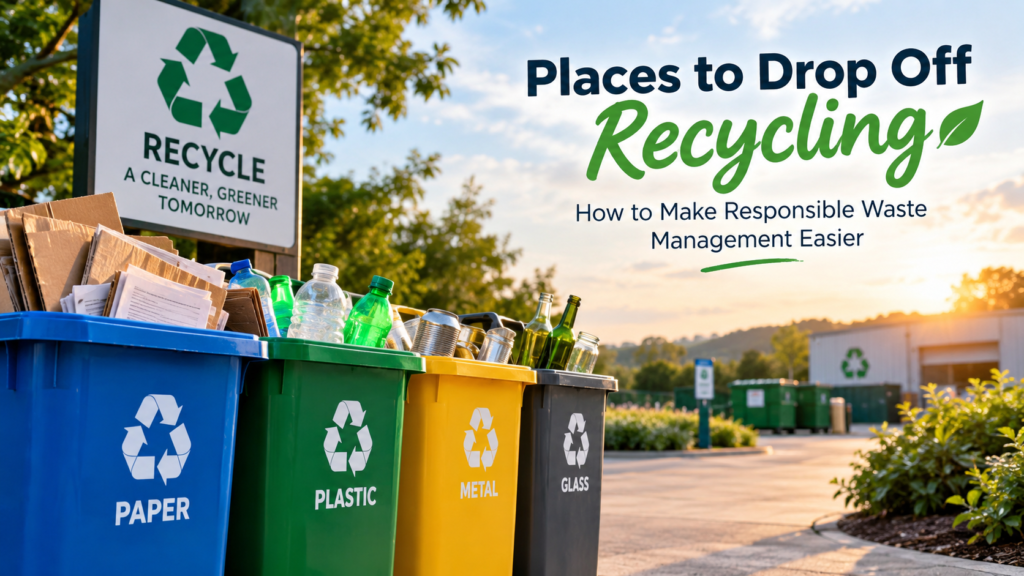
Recycling is one of the simplest ways to reduce unnecessary waste and conserve valuable resources. Yet many households and businesses struggle to determine where different materials should go. Finding reliable places to drop off recycling can make responsible waste management more convenient while helping prevent recyclable materials from ending up in landfills.
From cardboard and metal to certain construction materials, different recycling locations handle different waste streams. Understanding how these facilities operate helps you prepare materials correctly and make better disposal decisions.
Why Recycling Drop-Off Locations Are Important
Not every recyclable item belongs in a household collection bin. Large objects, renovation materials, and certain specialized waste types may require separate handling.
Reducing Unnecessary Landfill Waste
When recyclable materials enter general waste streams, opportunities for recovery may be lost. Dedicated drop-off facilities help direct suitable materials toward sorting, processing, and potential reuse.
This approach can reduce the amount of recoverable material sent for final disposal.
Supporting Resource Conservation
Recycling can reduce demand for newly extracted raw materials. Recovered metals, paper products, and other suitable materials may return to manufacturing processes rather than being discarded.
Effective recycling also supports a more circular approach to resource management.
Common Materials Accepted at Recycling Locations
Before visiting a facility, identify the materials you want to recycle. Acceptance requirements vary by location.
Paper and Cardboard
Clean cardboard boxes, office paper, and other approved paper products are commonly accepted through recycling programs.
Flattening cardboard and keeping it dry can simplify collection and processing.
Metal Materials
Aluminum, steel, and certain other metals can often be recovered through specialized recycling operations.
Remove unrelated attachments whenever practical and follow local preparation requirements.
Construction and Renovation Materials
Renovation projects may generate recyclable wood, concrete, metal, and roofing materials. Some facilities provide dedicated processing options for these waste streams.
However, material condition, contamination, and local processing capabilities affect whether recycling is possible.
How to Choose the Right Recycling Drop-Off Facility
Finding places to drop off recycling becomes easier when you consider more than distance alone.
Check Accepted Materials
Facilities often specialize in particular material categories. Confirming acceptance requirements helps prevent rejected loads and unnecessary trips.
Review Location and Accessibility
Consider operating hours, vehicle access, unloading arrangements, and any applicable restrictions.
You can review nearby recycling and waste management locations to help plan a convenient visit.
Understand Sorting Guidelines
Some facilities require visitors to separate materials before arrival. Others provide designated unloading areas for different categories.
Following these guidelines can improve recycling efficiency.
Preparing Materials Before Drop-Off
A little preparation can make recycling easier for both visitors and facility operators.
Separate Recyclables from General Waste
Keep recyclable items apart from food waste, liquids, and other contaminants. Mixed materials may require additional sorting or become unsuitable for recovery.
Keep Materials Clean and Dry
Empty containers and remove excessive residue whenever required. Paper and cardboard should remain dry to preserve their recycling potential.
Transport Items Safely
Secure materials inside your vehicle and avoid overloading. Heavy or sharp objects require particular care during handling.
Recycling Mistakes Worth Avoiding
One common mistake is assuming that every item displaying a recycling symbol is accepted locally. Recycling symbols identify material types but do not guarantee that a nearby facility can process them.
Another mistake involves combining hazardous materials with ordinary recyclables. Batteries, chemicals, and certain electronics may require specialized collection programs.
Always verify local requirements rather than relying on assumptions.
Conclusion
Finding suitable places to drop off recycling is an important part of managing household, commercial, and renovation waste responsibly. The right facility, combined with proper sorting and preparation, can make recycling more practical and effective.
By understanding accepted materials, checking facility requirements, and separating waste correctly, individuals and businesses can support resource recovery and reduce unnecessary landfill disposal.