Mitsubishi Heat Pumps: Exploring Modern Comfort and Cold-Climate Heating Technology
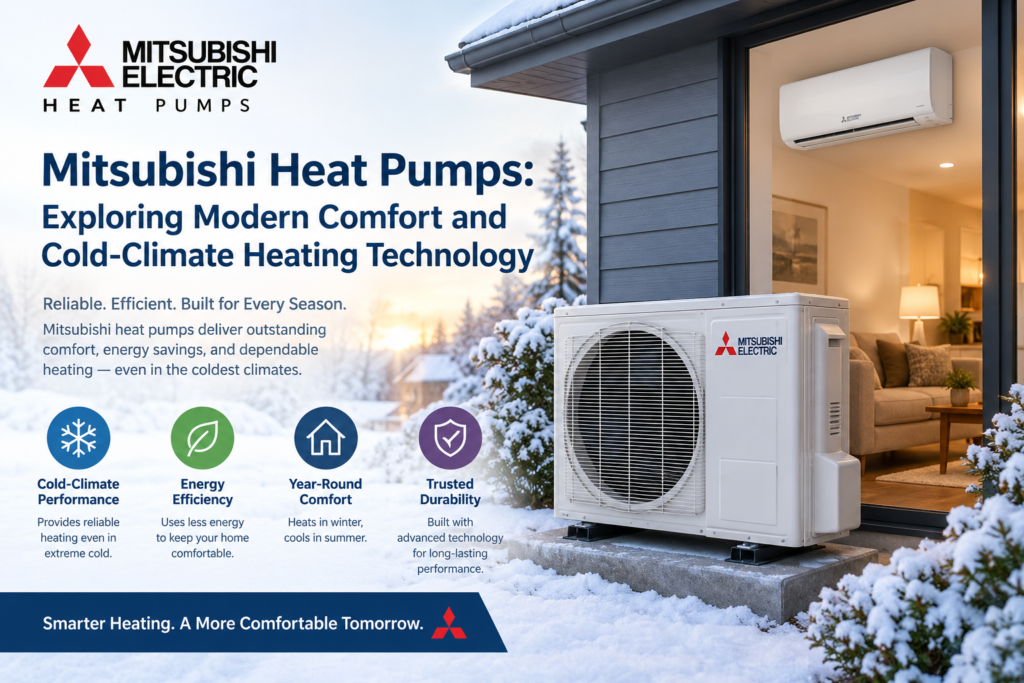
Home heating technology has evolved considerably, offering homeowners more options for maintaining comfortable indoor temperatures. Among these options, Mitsubishi heat pumps are often considered when evaluating efficient heating and cooling solutions for regions with demanding seasonal conditions.
Heat pump technology works differently from conventional combustion-based heating. Instead of producing heat by burning fuel, it transfers thermal energy between indoor and outdoor environments. This approach can support efficient temperature regulation while providing cooling during warmer months.
Understanding the operating principles, installation considerations, and maintenance requirements helps homeowners make informed decisions.
Understanding Modern Heat Pump Technology
A heat pump uses a refrigeration cycle to transfer heat from one location to another.
Its main components typically include a compressor, heat exchangers, refrigerant piping, and electronic controls.
How Heating Mode Works
During winter, the outdoor unit absorbs thermal energy from the surrounding air.
The refrigeration system transfers that energy indoors, where it contributes to heating the living space.
Cold-climate equipment is engineered to continue operating at low outdoor temperatures, although available heating capacity varies with conditions.
How Cooling Mode Works
During summer, the refrigeration cycle reverses direction.
Heat is removed from indoor air and released outdoors, allowing the system to provide cooling.
This reversible operation supports year-round temperature control.
Features Homeowners Should Understand
Modern heat pumps incorporate several technologies intended to improve comfort and operating performance.
Variable-Speed Compressor Operation
Many advanced systems use variable-speed compressors that adjust their output according to heating or cooling demand.
Rather than operating exclusively at full capacity, these systems can modulate performance to respond to changing indoor conditions.
This may improve temperature consistency and reduce frequent starts and stops.
Cold-Climate Heating Capability
Low-temperature performance is especially important in regions with prolonged winter conditions.
When evaluating Mitsubishi heat pumps, homeowners should examine rated heating capacity at relevant outdoor temperatures.
Efficiency ratings alone do not establish whether equipment can satisfy a property’s heating requirements.
Indoor Temperature Control
Some configurations allow temperature control across separate indoor areas.
However, zoning capabilities depend on the selected system design and indoor equipment arrangement.
A professional assessment helps determine which configuration suits the home’s layout.
Installation Factors That Affect Performance
Even advanced heating equipment depends on proper installation.
Accurate Heating Load Calculations
A home’s floor area alone does not determine its heating requirements.
Insulation, window performance, air leakage, ceiling height, and local weather conditions influence the necessary system capacity.
Detailed load calculations help prevent improper sizing.
Indoor and Outdoor Unit Placement
Outdoor units require adequate airflow and appropriate clearance from surrounding structures.
In snowy climates, installation height and drainage arrangements help reduce interference from accumulated snow and ice.
Indoor equipment should be positioned to support effective air distribution.
Electrical and Refrigerant Requirements
Heat pump installation involves electrical connections and refrigerant handling.
These tasks require appropriate technical qualifications and compliance with applicable installation requirements.
Maintenance Considerations for Long-Term Reliability
Routine maintenance helps protect operating performance and equipment longevity.
Homeowners should clean or replace accessible filters according to manufacturer instructions and keep outdoor airflow pathways clear.
Professional inspections may include checking electrical connections, refrigerant operation, condensate drainage, and control settings.
Homeowners interested in heat pump installation guidance in Ottawa should discuss seasonal performance expectations and maintenance requirements before selecting equipment.
Choosing the Right System for Your Property
Mitsubishi heat pumps are available in different configurations, and not every arrangement suits every building.
Existing ductwork, available installation space, insulation quality, and heating requirements influence equipment selection.
A detailed evaluation helps determine whether a ducted, ductless, or combined arrangement is appropriate.
Conclusion
Modern heat pump technology offers homeowners an opportunity to manage heating and cooling through a single reversible system.
When considering Mitsubishi heat pumps, attention should focus on cold-weather capacity, proper sizing, installation quality, and maintenance requirements.
Careful planning and professional evaluation can help homeowners select equipment that supports dependable comfort throughout changing seasons.