Levapioli: Meaning, Origins, Recipe & Culinary Guide
Explore levapioli, its meaning, origins, ingredients, preparation, Balkan connection, similarities to ćevapi, nutritional profile, and common questions.
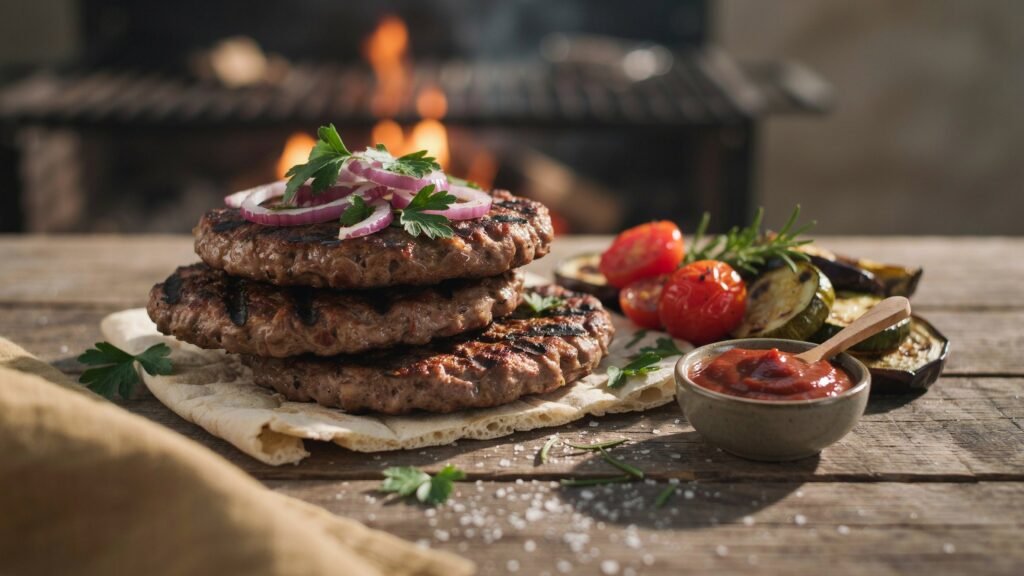
Levapioli: Meaning, Origins, Culinary Identity, and Modern Appeal
Levapioli is an unusual term that has attracted growing curiosity among people interested in food, culture, language, and emerging internet trends. Although the word is not as widely established as famous culinary names such as pizza, kebab, or ćevapi, it is increasingly used in online discussions to describe a grilled minced-meat preparation with strong connections to Balkan-style cuisine.
The interest surrounding levapioli comes partly from its distinctive name and partly from uncertainty about its exact origins. Some descriptions present it as a traditional food, while others connect it with modern interpretations of Balkan cooking. Because the terminology is not universally standardized, understanding the subject requires looking carefully at both its culinary characteristics and the different explanations surrounding the word.
At its simplest, levapioli can be understood as a preparation based on seasoned ground meat shaped into small cylindrical portions and cooked using direct heat. The result is generally associated with a browned exterior, a juicy interior, and a savory flavor that works particularly well with bread, onions, vegetables, and sauces.
What Is Levapioli?
Levapioli is commonly described as a grilled minced-meat dish resembling ćevapi, a well-known food associated with the Balkans. The preparation generally involves combining ground meat with basic seasonings before shaping it into small sausage-like pieces.
Beef and lamb are frequently associated with this type of preparation, although variations can include pork, chicken, turkey, or combinations of different meats. The precise ingredients depend on the recipe and the interpretation being used.
One reason levapioli is difficult to define precisely is that there is no single internationally recognized recipe. Unlike established dishes with formal culinary traditions, modern references to levapioli can differ in ingredients, preparation, and presentation.
Nevertheless, the common idea remains relatively consistent: seasoned minced meat formed into compact pieces and cooked until browned and fully prepared.
Levapioli Biography Table
Because levapioli refers to a food term rather than a person, a conventional biography is not applicable. Instead, the following table provides a useful profile of the subject.
| Attribute | Information |
|---|---|
| Name | Levapioli |
| Category | Food term / grilled meat preparation |
| Main association | Balkan-style cuisine |
| Closest culinary comparison | Ćevapi |
| Primary ingredient | Ground meat |
| Common meats | Beef, lamb, pork, poultry |
| Cooking methods | Grilling, pan-frying, baking |
| Typical shape | Small cylindrical or sausage-like pieces |
| Common accompaniments | Bread, onions, vegetables, sauces |
| Flavor profile | Savory, meaty, aromatic |
| Historical status | Not universally documented |
| Modern popularity | Increasing online curiosity |
This table helps separate the established culinary characteristics from claims about the word’s deeper history.
The Balkan Culinary Connection
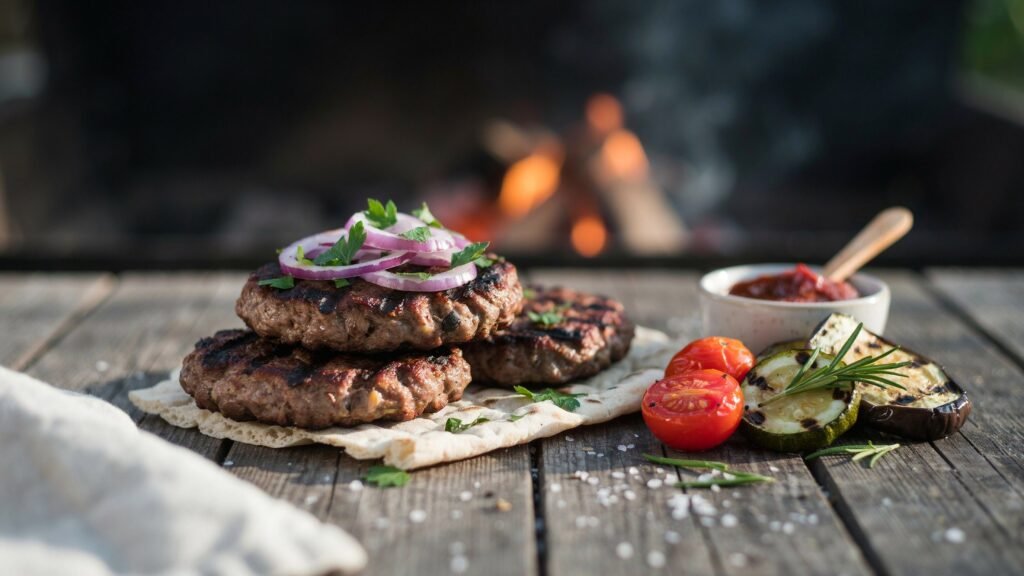
The most recognizable connection surrounding levapioli is Balkan cuisine.
The Balkan region has developed an exceptionally diverse culinary identity through centuries of cultural exchange. Food traditions across countries such as Bosnia and Herzegovina, Serbia, Croatia, Montenegro, North Macedonia, Albania, and neighboring areas contain numerous examples of grilled meat, flatbreads, vegetables, dairy products, and strongly flavored sauces.
Ćevapi is one of the best-known examples of this tradition. These small portions of minced meat are shaped into compact cylinders and traditionally cooked over high heat. They are often served with bread, onions, and other regional accompaniments.
The similarity between ćevapi and levapioli is therefore immediately noticeable. Both are associated with minced meat, small portions, direct cooking, and simple but flavorful accompaniments.
However, it is important not to automatically assume that the two names represent exactly the same historical dish. Ćevapi has a well-established culinary identity, while levapioli remains a less standardized term.
Is Levapioli a Traditional Dish?
One of the most frequently asked questions about levapioli concerns its historical status.
Some online descriptions portray the word as though it refers to an ancient or firmly established traditional Balkan dish. However, the precise historical documentation of the term is less clear.
The preparation itself clearly resembles traditional Balkan grilled-meat dishes. What remains uncertain is whether levapioli has historically been used as a distinct name for a particular regional recipe.
This distinction is important because culinary similarities do not necessarily prove identical origins. Recipes can travel between communities, change names, and develop regional variations over time.
For this reason, levapioli is best described cautiously as a modern term commonly associated with a Balkan-inspired grilled minced-meat preparation.
Possible Meaning and Origin of the Name
The linguistic origin of levapioli is another area of uncertainty.
Various online interpretations have attempted to explain the word by connecting it with different European languages. Some discussions explore possible Italian linguistic associations, while culinary interpretations focus on its resemblance to Balkan meat dishes.
However, a similarity between parts of a word and words from another language does not automatically prove etymological connection.
The safest approach is therefore to recognize that the exact origin of the name remains uncertain. As the term becomes more widely discussed, future linguistic or culinary research may provide a clearer explanation.
Ingredients Commonly Used
The appeal of levapioli-style food comes partly from its straightforward ingredient list.
Ground Meat
Ground beef is a popular option because it produces a rich and satisfying flavor. Lamb can provide a stronger and more aromatic taste, while poultry offers a lighter alternative.
Some recipes may combine different meats to achieve a particular balance of flavor and texture.
Salt
Salt is essential because it enhances the natural flavor of the meat. Since the preparation does not necessarily depend on a large number of spices, proper seasoning can make a noticeable difference.
Black Pepper
Black pepper provides warmth and mild sharpness. Freshly ground pepper can contribute more fragrance than pre-ground varieties.
Garlic
Garlic is frequently associated with savory grilled-meat preparations. A moderate amount can add depth without overpowering the meat itself.
Paprika and Herbs
Paprika may be used for color and mild sweetness, while parsley or other herbs can introduce freshness.
The precise seasoning mixture is not fixed, which allows cooks to adapt the dish according to personal preference.
How Levapioli Is Prepared
The basic preparation is relatively simple.
The selected ground meat is first combined with salt and other preferred seasonings. The mixture is then gently worked until the ingredients are distributed evenly.
Next, the meat is shaped into small cylindrical pieces. Keeping the portions similar in size helps them cook evenly.
The pieces can then be placed on a hot grill. Charcoal is particularly useful when a smoky flavor and strong exterior browning are desired. A grill pan or heavy skillet can also work well in a home kitchen.
The meat should be cooked thoroughly, particularly when using ground meat. Cooking time depends on the size of the pieces, the type of meat, and the temperature of the cooking surface.
What Does Levapioli Taste Like?
The flavor of levapioli depends on the meat, seasoning, and cooking method.
A beef-based version generally has a rich, savory flavor, while lamb can provide a more distinctive and aromatic character. Garlic, pepper, paprika, and herbs can add additional layers of flavor.
Grilling contributes another important element. Direct heat creates browning on the outside while helping preserve moisture inside when the meat is cooked correctly.
This combination of a browned exterior and tender center is one reason grilled minced-meat preparations remain popular across many cuisines.
How It Is Served
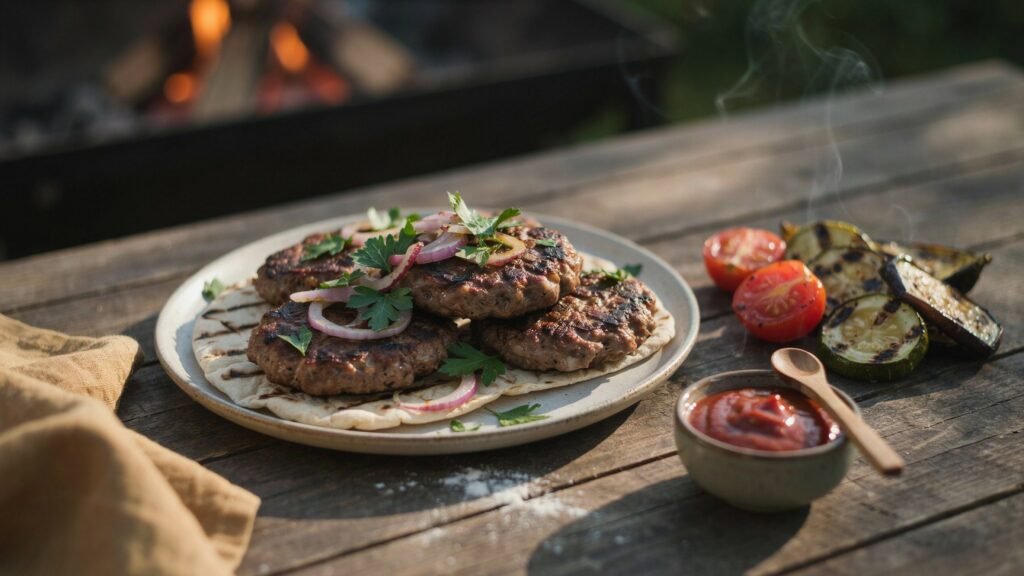
Levapioli is commonly imagined as a casual but satisfying meal rather than an elaborate fine-dining preparation.
Flatbread is a natural accompaniment because it can hold the meat and absorb flavorful juices. Sliced onions provide freshness and sharpness, creating contrast with the richness of the meat.
Vegetables, salads, yogurt-based sauces, and pepper-based accompaniments can also complement the dish.
A simple plate can therefore include grilled meat, warm bread, onions, fresh vegetables, and a flavorful sauce. This style of serving reflects the broader Balkan tradition of combining grilled foods with fresh and acidic accompaniments.
Levapioli vs. Ćevapi
The comparison between levapioli and ćevapi deserves special attention.
Ćevapi is an established Balkan culinary tradition with regional variations in meat composition, seasoning, shape, and serving style. The term has a recognized place in the food culture of several Balkan communities.
Levapioli, on the other hand, is less standardized. Its modern descriptions often resemble ćevapi, but the name itself does not have the same level of universally recognized culinary definition.
The easiest way to understand the relationship is therefore to consider ćevapi the established reference point and levapioli a less standardized term used for a similar style of grilled minced meat.
This distinction also helps prevent exaggerated historical claims.
Why Is Levapioli Becoming Popular Online?
Unusual words naturally create curiosity.
When people encounter an unfamiliar term, they often search for its meaning. If the available explanations differ, the mystery can become even more interesting.
Levapioli appears to have benefited from this process. The word has been discussed in food-related content as well as broader online material, resulting in different interpretations.
The combination of an unusual name and a familiar-looking food concept makes levapioli particularly suitable for online curiosity. Readers may discover the word while searching for recipes, Balkan cuisine, unusual foods, or unfamiliar culinary terminology.
Nutritional Characteristics
The nutritional profile of levapioli depends primarily on the type of meat used and the portion size.
Ground meat is naturally a significant source of protein. Beef and lamb can also provide nutrients such as iron, zinc, and vitamin B12.
However, the fat content can vary substantially between different cuts and meat mixtures. A lean preparation will have a different nutritional profile from one made with fattier meat.
The accompanying foods also matter. Serving grilled meat with vegetables and salad creates a different meal from serving it with large quantities of bread and rich sauces.
People following specific dietary requirements should therefore consider the complete meal rather than judging the nutritional value of the meat alone.
Tips for Preparing Better Levapioli
Several practical techniques can improve the final result.
Use balanced meat: Extremely lean meat may become dry, while excessive fat can create flare-ups during grilling.
Shape evenly: Similar-sized pieces cook more consistently.
Avoid excessive handling: Overworking ground meat can make the texture dense.
Preheat the grill: A properly heated cooking surface encourages attractive browning.
Leave enough space: Crowding the cooking surface can interfere with browning.
Monitor the heat: Extremely high temperatures can burn the outside before the interior is properly cooked.
Serve fresh: Grilled meat is generally most enjoyable shortly after cooking.
These simple principles can make a substantial difference without requiring complicated culinary equipment.
The Cultural Value of Simple Grilled Meat
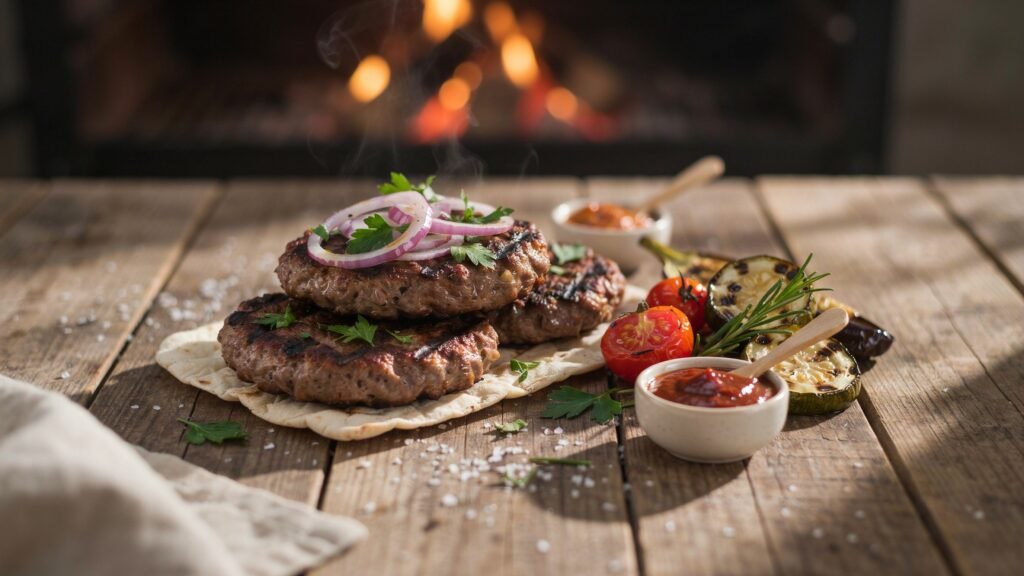
The story of levapioli also reflects something broader about food culture.
Across the world, some of the most enduring dishes are based on simple ingredients. Ground meat, salt, herbs, bread, and vegetables may seem ordinary individually, but careful preparation can turn them into memorable meals.
Grilled meat has also traditionally been associated with social occasions. Outdoor cooking, family meals, local restaurants, markets, and gatherings all provide settings in which such foods become part of cultural identity.
Whether levapioli eventually develops a more firmly established definition or remains a modern online term, its culinary appeal is easy to understand.
Levapioli and the Evolution of Food Terminology
Modern food terminology changes quickly.
A traditional recipe may acquire a new spelling when it crosses linguistic borders. A regional preparation may receive a different name in another country. Online publishers may also popularize unfamiliar terminology through repeated use.
Levapioli provides an interesting example of this process.
Its culinary description is easier to understand than its exact historical terminology. This situation demonstrates why readers should distinguish between what is clearly observable—the ingredients, shape, and cooking method—and claims that require stronger historical evidence.
That distinction is particularly valuable when researching lesser-known food terms online.
Frequently Asked Questions About Levapioli
What is levapioli?
Levapioli is commonly described as a seasoned minced-meat preparation shaped into small cylindrical pieces and cooked over direct heat. It is often compared with Balkan ćevapi.
Is levapioli a Balkan food?
The term is frequently associated with Balkan-style cuisine because its preparation resembles traditional grilled minced-meat dishes from the region.
Is levapioli the same as ćevapi?
They are similar, but they should not automatically be considered identical. Ćevapi has a much more established culinary identity, while levapioli is less standardized.
What meat is used for levapioli?
Beef and lamb are common choices, although variations can include pork, chicken, turkey, or mixed meats.
Can levapioli be cooked in a pan?
Yes. A heavy skillet or grill pan can be used when an outdoor grill is unavailable.
What is usually served with levapioli?
Bread, onions, vegetables, salads, and various sauces are suitable accompaniments.
Is there an official levapioli recipe?
There is no universally accepted standardized recipe. Ingredients and preparation methods can vary.
Where did the name levapioli originate?
The precise linguistic origin remains uncertain, and several interpretations have appeared online. No single explanation should be treated as definitive without stronger historical evidence.
Why are people searching for levapioli?
Its unusual name, similarity to familiar Balkan grilled foods, and uncertainty about its meaning have contributed to online curiosity.
Is levapioli difficult to make?
The basic preparation is straightforward. The main challenge is controlling heat and achieving a browned exterior while keeping the inside properly cooked and moist.
The Continuing Story of Levapioli
The most intriguing part of levapioli may ultimately be the uncertainty surrounding its identity. It sits at an interesting intersection of food, language, regional culinary traditions, and modern internet culture.
Its strongest contemporary association is with small portions of seasoned minced meat prepared in a style reminiscent of ćevapi. At the same time, the exact history of the name is less certain than some online descriptions suggest.
That makes levapioli a subject worth approaching with both curiosity and caution. Its culinary characteristics are relatively easy to understand, while its terminology continues to invite questions.
As food culture becomes increasingly global, unfamiliar words can travel rapidly across borders and acquire new meanings. Levapioli illustrates how this process can transform a little-known term into a subject of international curiosity.
For food enthusiasts, the practical attraction remains straightforward: well-seasoned minced meat, intense heat, a beautifully browned exterior, fresh accompaniments, and the communal character of a satisfying meal. The terminology may continue evolving, but the appeal of good grilled food is considerably easier to recognize.
A Useful Research Perspective
Anyone exploring levapioli should pay attention to context. A food-related reference may use the term to describe a Balkan-inspired grilled preparation, while another source may discuss the word from a linguistic or cultural perspective.
Rather than treating every interpretation as equally established, readers can separate culinary description from historical speculation. This approach provides a clearer understanding of what levapioli represents today while leaving room for future discoveries about its name and origins.







1 thought on “Levapioli: Meaning, Origins, Recipe & Culinary Guide”