cdiphone: Meaning, Concept, Features and Complete Guide
Explore cdiphone, its meaning, concept, CD-to-iPhone connection, technology, misconceptions, potential features, and why this unusual term attracts attention
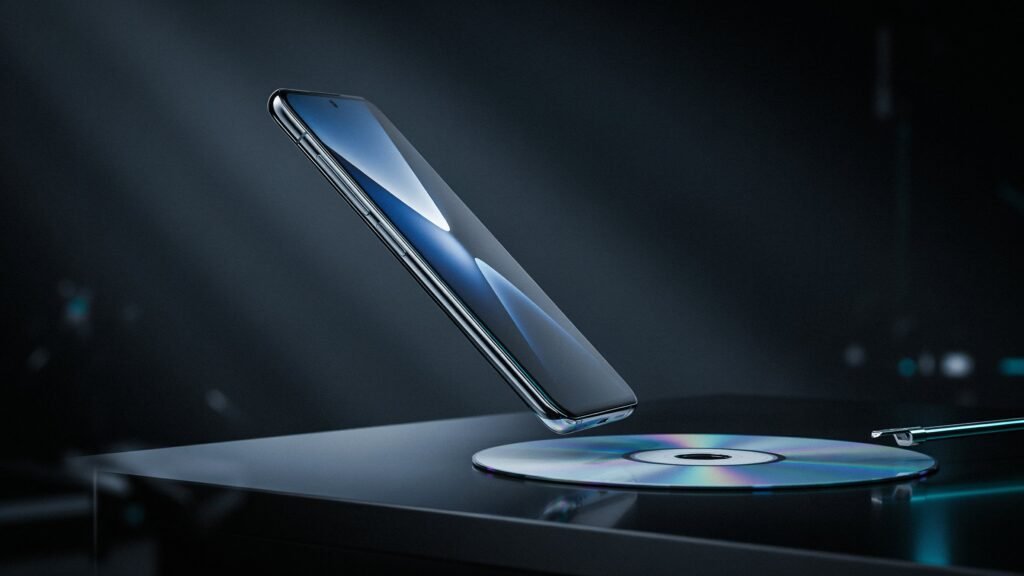
cdiphone: Meaning, Concept, Technology, and Why It Is Gaining Attention
The technology world is filled with terms that appear suddenly and attract attention before their meaning becomes completely clear. cdiphone is one such term. It sounds like the name of an Apple product, yet there is an important distinction between what the word suggests and what has actually been released.
Current online references generally use cdiphone as an informal term connected with the idea of combining compact-disc technology with modern iPhone-style mobile computing. In some discussions, it refers to a hypothetical smartphone capable of interacting directly with CDs. In others, it describes the broader process of transferring music from physical CDs to an iPhone.
This ambiguity is one of the main reasons the term has generated curiosity. It combines two very different eras of consumer technology: the physical-media age of CDs and the connected, software-driven world of smartphones.
There is no confirmed Apple product officially marketed under the name cdiphone. Therefore, readers should treat claims about a commercially released “CDiPhone” with caution unless they are supported by authoritative manufacturer documentation.
What Is cdiphone?
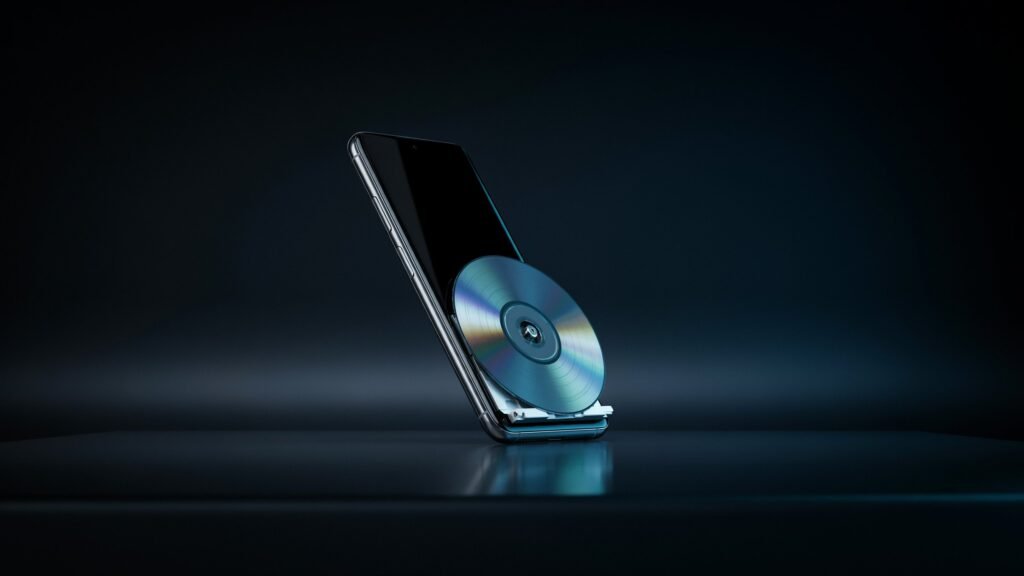
At its simplest, cdiphone is a compound expression formed from “CD” and “iPhone.” The CD portion generally refers to the compact disc, while iPhone refers to Apple’s smartphone platform.
The term does not have one universally accepted technical definition. Instead, it has developed through online technology discussions, concept articles, music-transfer conversations, and speculative product ideas.
One interpretation imagines a future smartphone with some form of physical-disc compatibility. Another interpretation uses the word to describe the practical connection between a personal CD collection and an iPhone.
That second interpretation is particularly understandable because many people still own music albums on CDs. Although streaming dominates modern music consumption, physical collections remain valuable to collectors, enthusiasts, and people who want permanent access to music they have purchased.
In this sense, cdiphone can be understood less as a single device and more as a concept that represents the transition between physical and digital media.
Is cdiphone a Real Apple Product?
This is the most important question surrounding the term.
There is currently no standard Apple consumer product officially named cdiphone. Online pages sometimes describe the word as though it were an unreleased or futuristic iPhone model, but those descriptions should not be confused with an official Apple announcement.
The distinction matters because the Apple brand has a highly structured product-naming system. An unfamiliar name appearing on blogs, social media, or search results does not automatically mean that Apple has created or announced a corresponding device.
Some online discussions portray cdiphone as a conceptual product combining an iPhone with a miniature optical drive. Others describe it as a hypothetical future device. These interpretations are speculative rather than evidence of a commercially available smartphone.
For consumers, the safest approach is simple: if a website claims to sell an official cdiphone, verify the product through Apple’s recognized product information before making a purchase or entering personal details.
The Relationship Between CDs and the iPhone
Understanding cdiphone requires looking at how CDs and smartphones developed.
Compact discs became one of the defining formats for music distribution during the late twentieth century. They provided listeners with physical ownership, relatively high-quality digital audio, and convenient access to complete albums.
Smartphones developed along a very different path. Instead of depending on removable physical media, modern smartphones generally use internal flash storage, wireless connectivity, cloud services, and digital distribution.
The iPhone became particularly influential in this transition because it combined communication, music, internet access, applications, photography, and computing into one portable device.
The idea behind cdiphone therefore represents an interesting technological contrast. One side emphasizes physical ownership and tangible media; the other emphasizes portability, software, connectivity, and digital convenience.
Why People Search for cdiphone
Search interest surrounding cdiphone can be explained by several factors.
First, the name sounds plausible. Combining “CD” with “iPhone” immediately creates an image of a smartphone that can somehow interact with physical discs.
Second, many internet users still have old CD collections. Someone who wants to move those albums onto a modern phone may encounter the term while searching for a suitable method.
Third, futuristic technology concepts regularly attract attention online. A phone with a tiny optical drive sounds unusual enough to generate curiosity, especially among people interested in retro technology.
Finally, ambiguous technology keywords tend to spread because different websites interpret them differently. Some pages describe a conceptual device, while others discuss CD-to-phone music transfers. This has helped give cdiphone several overlapping meanings.
cdiphone as a Futuristic Concept
The most imaginative interpretation of cdiphone is a hybrid smartphone that combines modern mobile computing with physical optical media.
Imagine a device with the thin design of a contemporary smartphone but with a miniature mechanism capable of reading a compact disc. Such a product could theoretically allow users to access physical music collections without first relying on a conventional computer.
However, creating such a device would be considerably more difficult than simply adding a CD slot to a smartphone.
An optical drive requires moving components, space, power, and mechanical protection. Modern smartphones are designed around compact solid-state components, sealed bodies, large batteries, sophisticated cameras, and thin construction.
A CD drive would therefore create major engineering challenges.
Potential Features of a Hypothetical cdiphone
Although no official product specification exists, a conceptual cdiphone could theoretically include several interesting capabilities.
Physical Media Support
The defining feature would be some form of compact-disc compatibility. A user could potentially insert a disc and access its contents through the phone.
Digital Music Conversion
A conceptual device could convert CD audio into a modern digital format, allowing music to be stored locally on the smartphone.
Offline Listening
One of the strongest arguments for such a concept would be offline access. Users would not necessarily need an internet connection to listen to music they already own.
Modern Smartphone Functions
A hypothetical device would still be expected to offer the features people associate with smartphones, including cameras, messaging, applications, wireless connectivity, navigation, and multimedia capabilities.
Physical and Digital Ownership
The concept could also appeal to people who enjoy owning physical media while still wanting the convenience of a modern digital library.
These features remain conceptual rather than specifications of an actual Apple product.
Why a CD Drive Would Be Difficult to Add to a Modern Smartphone
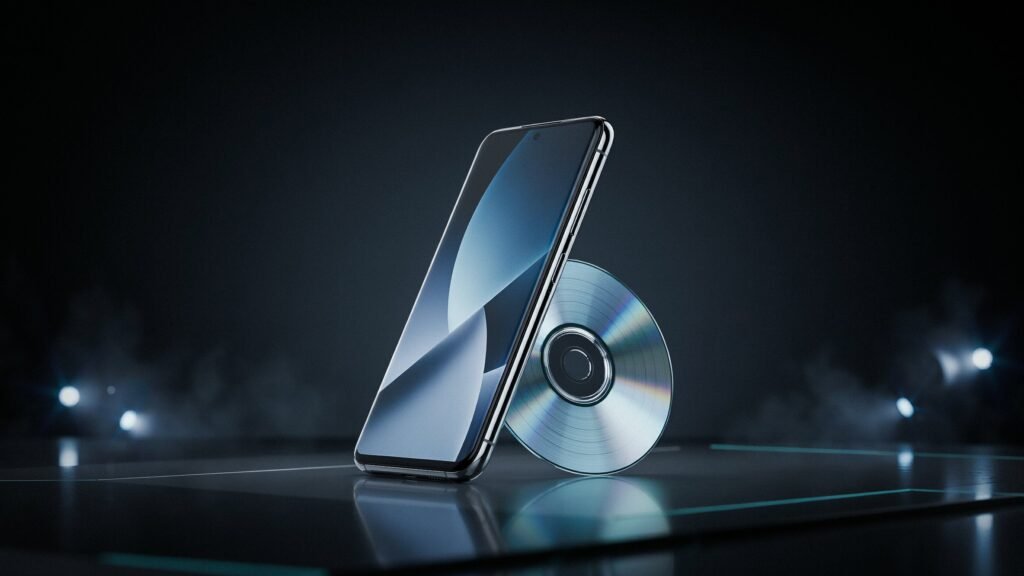
Modern smartphones have evolved toward increasingly compact internal architecture.
A traditional CD requires a physical disc mechanism. The drive must spin the disc, position the optical reader, and protect the media and mechanism from environmental conditions.
Smartphones, meanwhile, are expected to be lightweight and durable. They contain batteries, processors, cameras, antennas, speakers, sensors, and other components that compete for internal space.
Adding an optical drive could increase thickness and weight while consuming additional energy.
There is also a fundamental question of consumer demand. Most users no longer require physical discs for everyday music consumption. Streaming, downloads, and local digital files have made optical media less central to mobile computing.
For those reasons, the concept behind cdiphone is fascinating from a design perspective, but difficult to justify as a mainstream commercial smartphone.
Using CD Music With an iPhone Today
Although a physical CD-reading iPhone does not form part of the standard iPhone lineup, people can still transfer music from CDs into a digital library.
A common approach involves using a computer with a CD drive to import the music. The resulting audio files can then be organized into a digital music library and transferred or synchronized with compatible devices.
This approach separates the two technologies rather than physically combining them.
The CD remains the original source, while the iPhone becomes the portable destination for the resulting digital files.
For people with large collections, this can be a practical way to preserve older albums while enjoying them through modern headphones, speakers, or car systems.
Audio Quality and Digital Formats
Another important part of the cdiphone discussion is audio quality.
Compact discs store digital audio rather than analog recordings. When music is imported from a CD, the resulting files can be stored in different formats depending on the user’s priorities.
Lossless formats preserve the original audio information more completely, while compressed formats generally use less storage.
For listeners with substantial libraries, the choice becomes a balance between sound quality, storage capacity, compatibility, and convenience.
This is one reason the CD-to-iPhone concept remains relevant even in an age dominated by streaming services. Some music enthusiasts prefer maintaining their own library rather than depending entirely on subscription-based platforms.
The Appeal of Physical Music in a Digital World
The popularity of the cdiphone concept also reflects a wider cultural trend.
Digital technology has made music extraordinarily accessible, but physical media offers something different. A CD represents an owned object with artwork, packaging, liner notes, and a tangible connection to a particular album or period.
For collectors, this physical dimension has emotional value.
A digital file can be copied, reorganized, or moved between devices. A physical album, by contrast, becomes part of a personal collection.
The hypothetical cdiphone concept combines these two philosophies: physical ownership on one side and digital mobility on the other.
cdiphone and Retro Technology
Retro technology has experienced renewed interest across many consumer categories.
Older cameras, cassette players, vinyl records, handheld gaming systems, and CDs have all found audiences among people who appreciate their distinctive physical qualities.
The cdiphone concept fits naturally into this nostalgia-driven environment.
It imagines what might happen if an older technology were redesigned around modern expectations. Rather than simply returning to the past, the idea asks whether physical media could coexist with contemporary mobile technology.
That makes cdiphone interesting even without an actual product behind the name.
Common Misunderstandings About cdiphone
Several misconceptions appear repeatedly in online discussions.
It Is Not a Confirmed iPhone Model
There is no established Apple model officially named cdiphone.
It Does Not Automatically Mean a CD-Playing Smartphone
The term is used inconsistently. Some people use it for a hypothetical device, while others use it when discussing CD music transfers.
Online Concept Images Are Not Product Announcements
A realistic-looking smartphone render can make a fictional device appear authentic. Images alone do not establish that a manufacturer has developed or released the product.
Technical Claims Need Verification
Specifications such as storage capacity, optical-drive design, battery performance, release dates, or prices should not be presented as facts unless they originate from reliable documentation.
Who Would Be Interested in cdiphone?
The concept has appeal across several audiences.
Music collectors may be interested because they often have extensive physical libraries.
Retro-technology enthusiasts may appreciate the combination of older and newer hardware philosophies.
Audiophiles may be interested in discussions about physical ownership, lossless audio, and personal music libraries.
Technology enthusiasts may simply enjoy exploring unusual ideas about how smartphones could evolve.
Even ordinary iPhone users may encounter the term while searching for ways to move older CD collections into a modern digital environment.
The Future Possibilities Behind the Concept
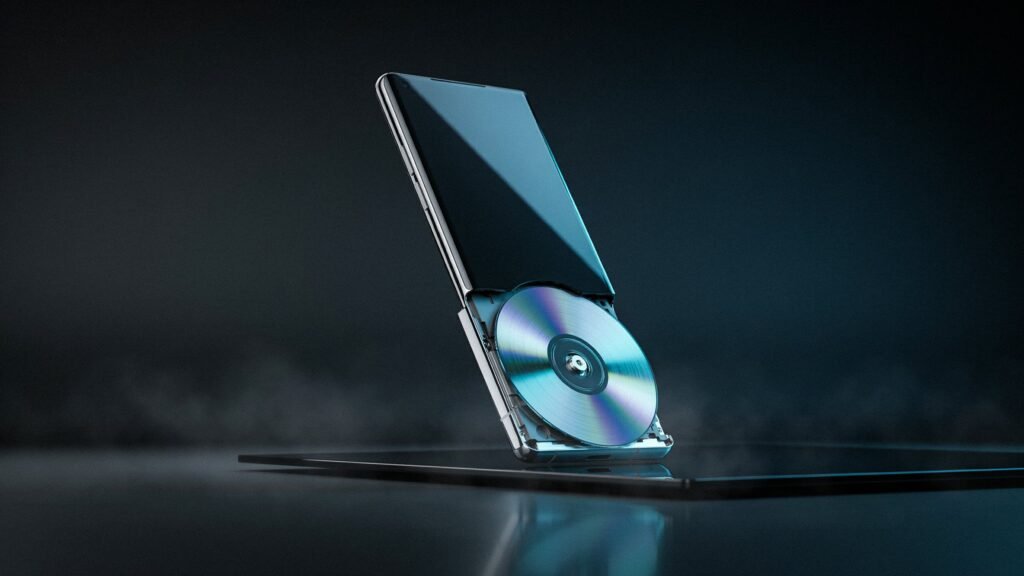
The real value of cdiphone may not be the physical device itself but the question it raises about technology design.
Modern technology frequently removes physical components in favor of software and cloud services. That approach creates convenience, but it can also reduce the user’s sense of direct ownership.
A future hybrid system could theoretically provide the advantages of both worlds.
Physical media could serve as a durable personal archive, while a smartphone could provide portability, organization, search, wireless playback, and modern interfaces.
Whether such a system would ever become commercially attractive is uncertain. The concept nevertheless demonstrates how older technologies can inspire new ideas.
How to Evaluate cdiphone Information Online
Because the term is ambiguous, readers should approach online claims carefully.
Look for clear explanations of what the author means by cdiphone. If a page describes it as an official Apple product, check whether the claim is supported by authoritative Apple documentation.
Be particularly cautious about websites advertising supposed unreleased smartphones, especially when they request payments, Apple Account credentials, verification codes, or sensitive personal information.
The name itself is not proof of authenticity.
A useful distinction is to separate three categories: confirmed products, practical CD-to-iPhone workflows, and speculative technology concepts. Keeping those categories separate makes the subject much easier to understand.
cdiphone Biography Table
Because cdiphone is not a person, a conventional biography would not be appropriate. However, readers searching for a concise reference can use the following profile table:
| Category | Details |
|---|---|
| Name | cdiphone |
| Type | Informal technology term |
| Main association | CDs and iPhone-style mobile technology |
| Official Apple product | No confirmed product |
| Common interpretation | Hybrid CD-and-smartphone concept |
| Another interpretation | CD-to-iPhone music transfer |
| Physical CD support | Conceptual rather than an established iPhone feature |
| Current status | Not a standard commercial iPhone model |
| Main appeal | Combination of physical media and modern mobile technology |
| Target audience | Tech enthusiasts, collectors, and digital-music users |
| Technology theme | Physical media, smartphones, digital music |
| Product specifications | No authoritative standard specification |
This cdiphone biography table is especially useful for readers who encounter the term without knowing whether it refers to a device, concept, or workflow.
Why the cdiphone Keyword Continues to Attract Curiosity
The unusual nature of cdiphone is arguably its greatest strength as an internet search term.
Established technology products usually have clear names, specifications, manufacturers, and release histories. cdiphone lacks that conventional structure, creating a gap between what the name appears to promise and what can actually be verified.
That gap naturally encourages investigation.
People want to know whether it is real, where the name came from, what it means, whether CDs can be used with iPhones, and whether a future smartphone could realistically incorporate optical media.
In this way, cdiphone represents a broader phenomenon in digital culture: sometimes a search term becomes interesting precisely because its meaning is not immediately obvious.
Frequently Asked Questions About cdiphone
What is cdiphone?
cdiphone is an informal term generally associated with combining compact-disc technology and iPhone-style mobile technology. It may also describe methods for transferring CD music to an iPhone.
Is cdiphone an official Apple product?
No confirmed Apple product is officially marketed under the name cdiphone. Claims that it is a released iPhone model should therefore be treated cautiously.
Can an iPhone play CDs directly?
Standard iPhones do not include built-in CD drives. CD music generally needs to be imported into a compatible digital library before being used on a smartphone.
Is cdiphone a real smartphone?
There is no confirmed mainstream smartphone officially sold under the cdiphone name. Most references describe it as a concept, informal term, or CD-to-iPhone workflow.
Why does cdiphone sound like an Apple product?
The name combines “CD” with “iPhone,” making it sound similar to a technology product name. That linguistic simplicity is one reason it can easily be mistaken for an official device.
Why are people interested in the cdiphone concept?
The idea connects two generations of technology. It appeals to people interested in physical music collections, retro technology, digital ownership, and futuristic smartphone design.
Could a future phone have a CD drive?
Technically, miniature optical drives are conceivable, but integrating one into a modern thin smartphone would create challenges involving size, power consumption, durability, and mechanical complexity.
Can CD music be transferred to an iPhone?
Yes. A common approach is to import music from CDs using a computer with an optical drive and then manage the resulting digital files through a compatible music library.
Is cdiphone related to a specific iPhone model?
No specific iPhone generation is officially known as cdiphone. The term is generally used outside Apple’s conventional product naming system.
Should I trust websites selling a cdiphone?
Exercise caution. Since there is no confirmed standard Apple product under this name, verify any sales claim and avoid providing sensitive account information to unfamiliar websites.
What does cdiphone represent technologically?
At a broader level, cdiphone represents the idea of connecting physical media with modern mobile computing. It is an example of how older technologies can inspire contemporary technology concepts.
A New Way to Look at cdiphone
The most interesting aspect of cdiphone may not be whether someone eventually manufactures such a device. Its greater significance lies in the conversation it creates about ownership, convenience, physical media, and technological evolution.
The CD represented an era in which digital information still had a physical form. The smartphone represents an era in which enormous amounts of information can exist almost entirely within software ecosystems.
Putting these ideas together creates a compelling thought experiment.
Could physical media return in a more intelligent form? Could future smartphones offer users greater control over personally owned content? Could retro technologies become useful again when redesigned around modern interfaces?
Those questions give cdiphone relevance beyond its unusual name. It becomes a lens through which readers can examine how consumer technology changes, disappears, and sometimes inspires new ideas years later.





1 thought on “cdiphone: Meaning, Concept, Features and Complete Guide”