How Does a Penang Chemical Company Manage Storage and Handling?
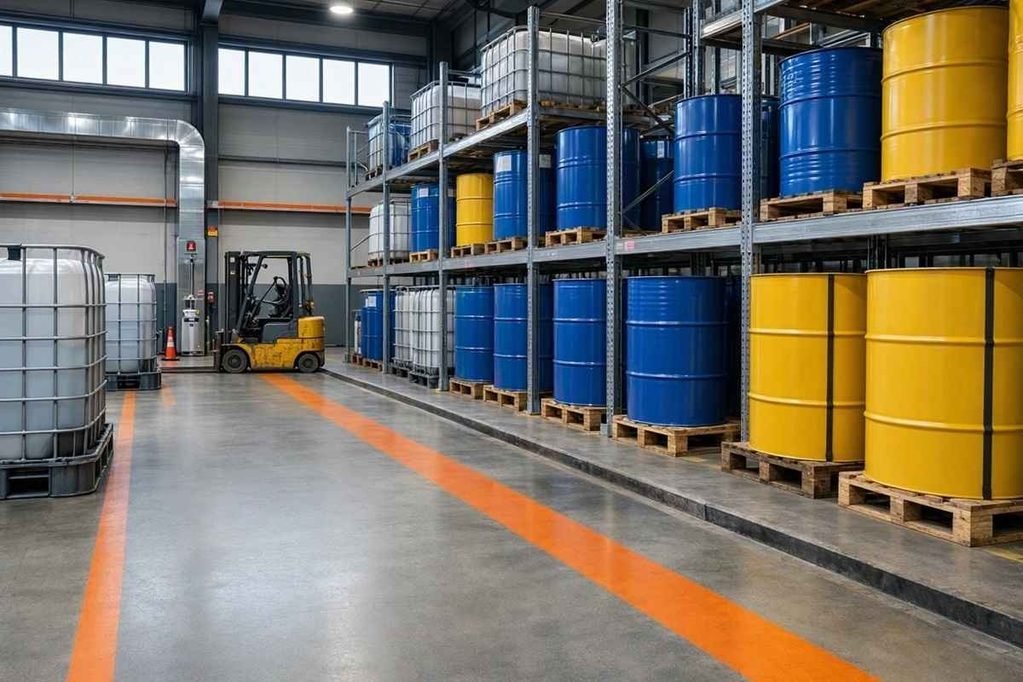
A Penang Chemical Company must follow proper storage and handling procedures to maintain product quality, protect employees, and prevent workplace accidents. Different chemicals have different properties, which means they cannot all be stored or handled in the same way. Factors such as temperature, ventilation, moisture, and chemical compatibility play an important role in maintaining safe storage conditions.
Chemical companies use organized warehouses, clear labeling systems, trained employees, and regular inspections to manage their products responsibly. These practices help reduce the risk of spills, contamination, and hazardous reactions. Effective chemical management also supports smooth business operations, protects the environment, and ensures that customers receive products in suitable condition.
Proper Storage Facilities
A suitable storage facility is essential for managing chemicals safely. A Penang Chemical Company should organize its warehouse according to the specific requirements of the products it stores. Some chemicals need temperature-controlled environments, while others require protection from moisture, direct sunlight, or excessive heat. Proper ventilation is also important when handling products that may release harmful vapors.
Storage areas should have suitable flooring, secure access, and appropriate shelving to prevent containers from falling or becoming damaged. Companies may also install spill containment systems to stop leaking liquids from spreading. Regular cleaning and maintenance help employees identify damaged packaging and potential hazards before they become serious problems. An organized warehouse also makes stock identification and product movement easier.
Chemical Segregation
Chemical segregation involves storing substances separately according to their properties and compatibility. Certain chemicals can react dangerously when they come into contact with one another. For example, some acids react with bases, while oxidizing agents can increase the intensity of fires when stored near combustible materials. Separating incompatible products helps prevent accidental reactions and protects workers.
Companies should consult safety data sheets (SDS) and chemical compatibility guidance when deciding where products should be stored. Clearly marked storage sections help employees identify the correct locations for different substances. Containers should not be grouped together simply because they have similar packaging or are used for similar purposes. Careful segregation reduces safety risks and helps maintain a controlled storage environment.
Labeling and Documentation
Clear labeling helps employees identify chemical products and understand their associated hazards. Each container should display the correct product name and required hazard information, along with other details specified by applicable regulations. Labels must remain readable during storage and transportation. Damaged, missing, or unclear labels should be addressed promptly to prevent mistakes and unsafe handling.
Accurate documentation is equally important for managing chemical supplies. Companies should maintain relevant records, including product quantities, batch numbers, supplier details, and expiry dates where applicable. Safety data sheets should be readily accessible to employees who need information about chemical properties, storage requirements, and emergency procedures. Organized records improve traceability and help businesses respond efficiently to customer inquiries and quality concerns.
Inventory Management
Effective inventory management helps a Penang Chemical Company maintain sufficient stock without allowing products to accumulate unnecessarily. Digital inventory systems can record incoming deliveries, monitor outgoing orders, and identify products approaching their expiry dates. Regular stock checks also help employees discover damaged packaging, missing items, and differences between recorded and actual quantities.
Several practices can improve chemical inventory control:
- Stock monitoring: Check product quantities regularly to prevent shortages and excessive storage.
- Expiry control: Identify products approaching their expiry dates and assess their suitability for continued use.
- FEFO method: Prioritize products with the earliest expiry dates when appropriate.
- Routine inspections: Examine containers, labels, and storage conditions.
- Digital records: Update inventory information whenever products are received, moved, or dispatched.
These practices help companies reduce waste, maintain product quality, and fulfill customer orders more efficiently.
Emergency Preparedness
Even with careful planning, chemical spills, leaks, fires, or accidental exposure can occur. A responsible chemical company develops emergency procedures to help employees respond quickly and appropriately. Depending on the chemicals stored, facilities may need suitable spill-control materials, fire protection equipment, emergency showers, eyewash stations, and clearly marked evacuation routes.
Employees should understand how to report incidents, raise alarms, and follow emergency instructions. Chemical spills must be assessed according to the substance involved and the seriousness of the release. Only trained personnel with suitable equipment should handle hazardous cleanup operations. If a spill presents a serious danger, workers should isolate the affected area and contact qualified emergency responders.
Staff Training and Compliance
Well-trained employees are essential for maintaining safe chemical storage and handling practices. Training should explain chemical hazards, correct labeling, proper lifting techniques, and the use of personal protective equipment. Workers should also learn how to read safety data sheets and recognize warning signs such as leaking containers, damaged packaging, or unusual chemical odors.
A Penang Chemical Company must identify and follow the legal requirements relevant to its operations. These may cover workplace safety, hazardous chemical communication, environmental protection, fire prevention, and waste disposal. Regular inspections and internal audits help identify gaps in equipment maintenance, employee knowledge, and storage procedures. Refresher training further encourages employees to follow established safety practices consistently.
Environmental Protection
Responsible chemical management includes protecting the surrounding environment from contamination. Leaking containers, uncontrolled discharges, and improper waste disposal can harm soil, waterways, and nearby communities. Companies should use suitable containment measures and maintain procedures for collecting, separating, storing, and disposing of chemical waste according to its properties and applicable requirements.
Regular inspections help identify leaks, corrosion, and damaged packaging before they cause environmental problems. Employees should understand which chemicals require specialized disposal and why hazardous substances must not be poured into drains unless specifically permitted. By reducing spills and managing waste responsibly, chemical suppliers can minimize environmental risks while demonstrating their commitment to safe and sustainable business practices.
What Sets Universal Lab Apart?
Universal Lab & Chemical Supplies (PG) Sdn Bhd supports businesses seeking chemical products for laboratory, educational, and industrial applications. Choosing a supplier involves considering product quality, safety documentation, packaging, and reliable communication. These factors help customers make informed purchasing decisions and manage chemicals responsibly.
The company can also emphasize customer service and clear product information to meet different business requirements. By providing relevant safety data sheets and handling guidance where available, Universal Lab can help customers understand proper chemical storage practices. Customers should confirm product availability and specific services directly with the company.
Conclusion
A Penang chemical company manages storage and handling through a combination of suitable facilities, chemical segregation, accurate labeling, inventory management, and employee training. Emergency preparedness and environmental protection are equally important for preventing accidents and maintaining safe working conditions. Regular inspections and reliable documentation help companies identify potential problems before they affect employees, products, or customers.
Businesses can also improve chemical safety by choosing suppliers that provide accurate product information and appropriate safety documentation. Both suppliers and customers must understand the storage and handling requirements of the chemicals they use. By following established safety practices and maintaining organized operations, chemical companies can protect workers, preserve product quality, reduce environmental risks, and build stronger relationships with their customers.