How Personalized Healthcare Supports Treatment Decisions
Understanding Personalized Healthcare
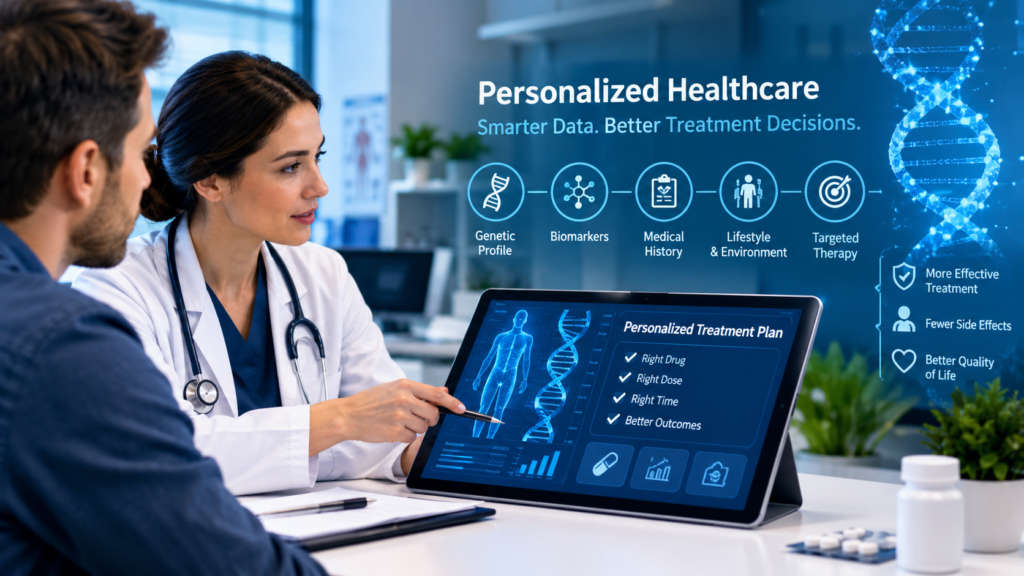
Healthcare is not a one-size-fits-all experience. Every person has a different medical history, lifestyle, set of concerns, and response to treatment. Personalized healthcare recognizes these differences and helps healthcare professionals make decisions that reflect an individual’s needs. Instead of relying on the same approach for everyone, it considers personal circumstances, available medical evidence, and the patient’s preferences.
One of the most important aspects of this approach is open communication between patients and healthcare professionals. When people feel comfortable discussing their symptoms, concerns, daily routines, and treatment goals, clinicians can better understand their situation. This can be especially valuable when comparing treatment options, estimating expenses, and deciding which approach offers the most appropriate balance of benefits, risks, and practical considerations.
Why Individual Needs Matter in Treatment Decisions
Two people experiencing similar symptoms may require different treatment plans. Factors such as age, existing health conditions, family medical history, allergies, and current medications can influence which options are suitable. Healthcare professionals consider these details before recommending tests, therapies, lifestyle changes, or medication.
Personalized care also acknowledges that patients have different priorities. Some may prefer a treatment with fewer appointments, while others may prioritize long-term monitoring or a particular recovery timeline. Discussing these preferences helps patients participate meaningfully in decisions rather than simply following recommendations without understanding them.
For example, a dentist may recommend different approaches for two patients with similar dental concerns because their oral health, medical history, and treatment needs differ. Understanding these distinctions helps people make informed choices and recognize why a recommendation that works well for one person may not be appropriate for another.
The Role of Medical History and Lifestyle
A person’s medical history provides valuable information about previous illnesses, ongoing conditions, allergies, and treatments. Reviewing this information can help healthcare professionals identify potential risks and avoid unsuitable treatment combinations.
Lifestyle is another important consideration. Sleep patterns, physical activity, nutrition, work schedules, stress, and access to healthcare can influence how manageable a treatment plan will be. A realistic plan should fit into everyday life while still addressing the patient’s medical needs.
Healthcare professionals may consider several factors when developing an individualized plan:
- Medical history: Previous diagnoses, procedures, allergies, and current medications.
- Personal preferences: Concerns, expectations, and comfort with different treatment options.
- Lifestyle considerations: Daily routines, responsibilities, and access to follow-up care.
- Clinical evidence: Research findings, examination results, and relevant diagnostic tests.
- Ongoing evaluation: Changes in symptoms, treatment response, and newly identified concerns.
Considering these factors supports a more complete understanding of the patient and encourages decisions based on evidence rather than assumptions.
Personalized Approaches to Medication and Ongoing Care
Medication decisions can also benefit from individualized assessment. A healthcare professional considers the condition being treated, potential benefits, possible side effects, other medicines, and the patient’s overall health before recommending an appropriate option. Follow-up appointments can help determine whether the treatment remains suitable or requires reassessment.
For instance, discussions about glp-1 for weight loss should focus on individual medical eligibility, expected benefits, potential risks, and professional supervision rather than general claims or appearance-based expectations. GLP-1 medicines may be prescribed for certain health conditions, depending on the specific medication and a person’s circumstances. They are not suitable for everyone, and a qualified clinician should explain relevant precautions, side effects, and alternatives.
This example illustrates why personalized healthcare matters: a treatment decision should be based on clinical needs and a careful evaluation of the available options. Patients should have opportunities to ask questions and understand what a treatment can realistically achieve.
How Personalized Healthcare Improves Patient Communication
Good communication is central to effective healthcare. Patients may hesitate to discuss symptoms, financial concerns, or worries about side effects if they feel rushed or misunderstood. A supportive conversation can make it easier to share important information and clarify uncertainties.
Healthcare professionals can encourage participation by explaining medical terms in plain language, discussing alternatives, and checking that patients understand the proposed plan. Patients can prepare for appointments by writing down symptoms, listing medications, and noting questions they want answered.
Useful questions include:
- What are the main benefits and risks of this treatment?
- Are there reasonable alternatives?
- What costs or follow-up appointments should I expect?
- How will we evaluate whether the treatment is helping?
- When should I contact a healthcare professional about concerns?
These conversations help build trust and make treatment decisions more transparent.
The Connection Between Oral Health and Personalized Care
Dental care demonstrates how individual needs influence treatment recommendations. A patient’s age, gum health, tooth condition, medical history, and personal preferences can affect the options a dentist discusses. Some people may need preventive care and monitoring, while others may require restorative treatment or specialist assessment.
Financial considerations also matter. The total cost of dental treatment can depend on the procedure, materials, complexity, location, insurance coverage, and number of visits required. Patients should request a clear estimate and ask whether alternative treatments are clinically appropriate. Comparing costs is useful, but the cheapest option is not automatically the most suitable.
Awareness activities such as world smile day 2026 can provide a natural opportunity to highlight the importance of oral hygiene, preventive dental visits, and access to appropriate dental advice. A healthy smile is supported by consistent care and professional guidance, not by a single product or procedure.
Using Technology Responsibly in Personalized Healthcare
Digital health records, remote consultations, and clinical decision-support tools can help healthcare teams organize information and coordinate care. When used appropriately, these tools may make it easier to review medical history, monitor progress, and communicate with patients between appointments.
However, technology should support—not replace—professional judgment. Digital tools may contain incomplete information, and health data must be handled responsibly to protect privacy. Patients should understand how their information is used and seek clarification when recommendations are unclear.
The most effective approach combines reliable technology, clinical expertise, and meaningful patient involvement. This balance helps ensure that decisions remain grounded in the person’s actual circumstances.
Conclusion
Personalized healthcare helps patients and professionals make informed treatment decisions by considering medical history, lifestyle, preferences, and clinical evidence. Clear communication, regular follow-ups, and realistic expectations strengthen this process. By evaluating individual needs and available options together, healthcare teams can support safer, more practical, and patient-centered care throughout life.