The Art and Science of Modern Architecture: A Guide
Explore The Art and Science of Modern Architecture, from innovative design and structural engineering to sustainable materials, smart buildings, and human-centered spaces

Modern architecture represents a remarkable combination of creativity, engineering, technology, and human experience. It shapes the environments where people live, work, learn, and interact, transforming practical needs into meaningful spaces. The Art and Science of Modern Architecture explores how architects combine visual expression with scientific principles to create buildings that are functional, sustainable, comfortable, and aesthetically distinctive.
From minimalist residential homes to towering commercial skyscrapers, modern architecture reflects changing lifestyles, technological progress, environmental concerns, and cultural values. It is not simply about designing attractive structures. It involves understanding materials, structural performance, natural light, energy efficiency, spatial organization, and the relationship between buildings and their surroundings.
As cities continue to expand and environmental challenges become increasingly important, The Art and Science of Modern Architecture offers a useful perspective on how thoughtful design can improve everyday life. By bringing artistic imagination and technical knowledge together, architects can create spaces that serve present needs while remaining adaptable for future generations.
What Is Modern Architecture?
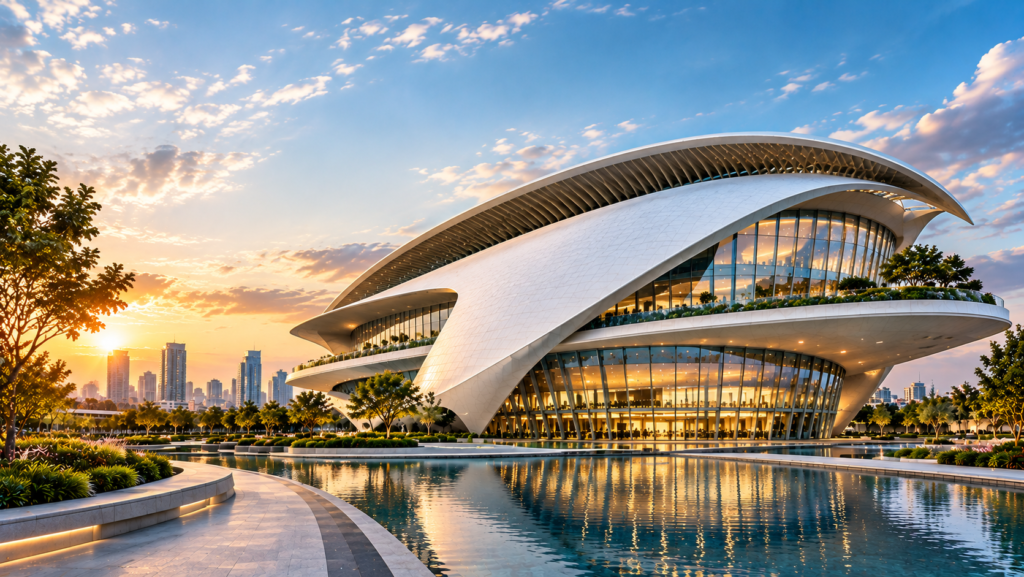
Modern architecture is an architectural approach that emphasizes functionality, simplicity, innovative construction methods, and the thoughtful use of materials. It developed prominently during the late nineteenth and early twentieth centuries as industrialization introduced new building technologies and encouraged designers to reconsider traditional architectural forms.
Unlike many historical architectural styles that relied heavily on decorative details, modern architecture often favors clean lines, open interiors, geometric shapes, and carefully organized spaces. Large windows, reinforced concrete, steel frameworks, and extensive glazing became important features of many modern buildings.
However, modern architecture is not a single, unchanging style. It includes numerous approaches, from minimalist houses and industrial-inspired buildings to experimental structures that incorporate advanced environmental systems. Some modern designs appear restrained and simple, while others feature dramatic curves, unusual angles, or sculptural forms.
The Art and Science of Modern Architecture becomes especially evident when a building’s visual character is supported by sound engineering. A large cantilever, for example, may create an impressive architectural effect, but its success depends on structural calculations, material strength, and careful load distribution.
Modern architecture therefore combines artistic intention with practical performance, ensuring that buildings are not only visually compelling but also safe, usable, and appropriate for their intended purposes.
The Historical Development of Modern Architecture
Understanding modern architecture requires examining the historical changes that influenced its development.
Industrialization and New Building Materials
The Industrial Revolution transformed construction by introducing new manufacturing processes, machinery, and building materials. Steel production expanded, glass manufacturing improved, and reinforced concrete became increasingly important.
Also read: Startup Booted Financial Modeling: A Complete Guide
These developments allowed architects to design structures that differed significantly from traditional masonry buildings. Steel frameworks supported greater heights, while reinforced concrete enabled more flexible structural forms. Larger sheets of glass made it possible to introduce more daylight into interiors.
Railway stations, factories, exhibition halls, and commercial buildings demonstrated how these materials could expand architectural possibilities.
The Rise of Functional Design
During the early twentieth century, several influential architectural movements promoted simplicity, rational planning, and the integration of design with modern industrial life.
The Bauhaus movement, established in Germany in 1919, encouraged collaboration between architecture, fine art, and applied design. Its principles influenced furniture, housing, typography, and building design.
Architects such as Walter Gropius, Ludwig Mies van der Rohe, and Le Corbusier helped shape different interpretations of modern architecture. Their work emphasized structural clarity, spatial efficiency, and new ways of organizing buildings.
These ideas continue to influence contemporary architecture, although modern designers increasingly combine functional principles with regional traditions, environmental considerations, and cultural expression.
From Modernism to Contemporary Innovation
Later architectural developments challenged the idea that buildings should always follow strict geometric simplicity. Postmodern architecture reintroduced historical references, symbolism, and more varied decorative approaches.
Contemporary architecture draws from an even wider range of influences. Digital modeling, advanced fabrication, energy-efficient systems, and sustainable materials allow designers to explore forms that were previously difficult or expensive to construct.
The Art and Science of Modern Architecture continues to evolve because architecture responds directly to changing technologies, social expectations, and environmental conditions.
The Artistic Foundations of Modern Architecture
Architecture is both a technical discipline and a creative practice. Although structural calculations and construction standards determine what a building can safely achieve, artistic decisions influence how people experience it.
Form, Geometry, and Visual Balance
Architectural form describes the overall shape, volume, and arrangement of a building. Modern architects frequently work with geometric elements such as cubes, rectangles, cylinders, and intersecting planes to establish visual order.
Simple geometry does not necessarily produce a simple experience. A building can create complexity through changing proportions, contrasting materials, asymmetrical arrangements, or carefully positioned openings.
Visual balance is equally important. Some buildings achieve symmetry through evenly arranged elements, while others use asymmetrical compositions to create movement and visual interest. The choice depends on the building’s purpose, context, and intended character.
The Art and Science of Modern Architecture becomes apparent when geometric decisions also improve practical performance. A carefully positioned opening, for example, can frame a landscape, illuminate an interior, and support natural ventilation.
Light, Shadow, and Atmosphere
Natural light plays a central role in architectural design. It influences how people perceive colors, textures, proportions, and interior spaces.
Large windows can make rooms feel more spacious and connected to the outdoors. Skylights introduce daylight into areas that receive limited sunlight from exterior walls. Screens, overhangs, and recessed windows create patterns of light and shadow that change throughout the day.
Architects must also consider the disadvantages of excessive glazing. Uncontrolled sunlight can cause overheating, glare, and increased cooling requirements. Effective designs balance daylight with shading, insulation, and the building’s orientation.
Artificial lighting extends these possibilities after sunset. Recessed fixtures, indirect illumination, and carefully positioned task lights can support different activities without overwhelming the architectural composition.
Texture, Color, and Material Expression
Materials contribute to both the appearance and performance of a building. Exposed concrete can communicate solidity, timber introduces warmth, glass creates visual transparency, and steel offers a precise industrial character.
Modern architecture often uses a limited material palette to establish visual consistency. However, contrast can make a design more expressive. A smooth concrete wall beside a textured stone surface creates a different experience from a completely uniform facade.
Material selection should also consider durability, maintenance, availability, embodied carbon, and suitability for local weather conditions.
The Art and Science of Modern Architecture depends on making these decisions together rather than treating appearance and performance as separate concerns.
The Scientific Principles Behind Architectural Design
Beautiful architecture requires more than visual imagination. Every successful building must respond to physical forces, environmental conditions, human needs, and construction limitations.
Structural Engineering and Building Stability
Structural engineering ensures that buildings can withstand the forces acting upon them. These forces include gravity, wind, earthquakes, and the weight of occupants, equipment, and building materials.
Architects collaborate with structural engineers to determine how loads travel through floors, beams, columns, walls, and foundations. The selected structural system affects the building’s height, internal layout, flexibility, and overall appearance.
Reinforced concrete, structural steel, engineered timber, and composite systems each provide different advantages. The appropriate choice depends on factors such as building scale, local regulations, material availability, fire safety, and project cost.
Advanced computer simulations help engineers analyze structural behavior before construction begins. Nevertheless, digital modeling must be supported by sound engineering judgment, reliable material information, and appropriate testing.
Building Physics and Thermal Comfort
A building interacts continuously with its environment. Heat moves through walls, roofs, floors, and windows, while air movement influences temperature, humidity, and indoor air quality.
Architects use principles of building physics to manage these exchanges. Insulation reduces unwanted heat transfer, airtight construction limits uncontrolled air leakage, and effective ventilation supplies fresh air.
Window orientation also matters. In colder climates, carefully designed solar exposure may help warm interiors during winter. In hotter regions, external shading and reflective roof surfaces can reduce unwanted heat gain.
The Art and Science of Modern Architecture involves adapting these strategies to local conditions instead of applying one universal solution to every project.
Acoustics and Sound Control
Sound affects concentration, privacy, communication, and comfort. A school, hospital, office, concert hall, and residential apartment each requires a different acoustic environment.
Architects consider how sound reflects from hard surfaces, travels between rooms, and enters buildings from outside. Absorptive ceiling panels, acoustic insulation, suitable wall assemblies, and thoughtful room proportions can help manage these effects.
Good acoustic planning is especially important in open-plan offices, where conversations and equipment noise can interfere with focused work. In performance spaces, designers may use reflective surfaces and specialized geometry to distribute sound effectively.
Sustainable Architecture and Environmental Responsibility
Sustainability has become a major consideration in contemporary architectural practice. Buildings consume energy and resources throughout their life cycles, from material extraction and construction to everyday operation and eventual renovation or demolition.
The Art and Science of Modern Architecture increasingly focuses on reducing environmental impacts without sacrificing comfort, safety, or visual quality.
Energy-Efficient Building Design
Energy-efficient architecture begins with the building itself. Orientation, insulation, glazing, shading, and airtightness influence how much energy is needed to maintain comfortable indoor conditions.
Passive design strategies use natural processes to reduce dependence on mechanical heating and cooling. Examples include cross-ventilation, thermal mass, daylight optimization, and exterior shading.
Efficient heating, cooling, lighting, and ventilation systems can further reduce energy consumption. Solar panels and other renewable energy technologies may supply a portion of a building’s electricity when conditions permit.
Sustainable and Recycled Materials
Material choices influence a building’s environmental footprint. Concrete and steel can have substantial embodied carbon, depending on how they are produced and transported. Alternatives and improvements may include lower-carbon concrete mixes, recycled steel, responsibly sourced timber, and the reuse of existing structural components.
However, no material is automatically sustainable in every situation. Architects should evaluate durability, maintenance requirements, transportation distances, local ecosystems, and end-of-life possibilities.
Reusing an existing building can sometimes avoid significant emissions associated with demolition and new construction. Adaptive reuse also preserves architectural character and may support neighborhood identity.
Water Conservation and Green Spaces
Water-conscious architecture incorporates efficient fixtures, rainwater collection, permeable surfaces, and landscape strategies suited to local conditions.
Green roofs and planted courtyards can provide shade, support biodiversity, and help manage stormwater. Trees around buildings may reduce direct solar exposure and improve the quality of outdoor spaces.
The benefits depend on appropriate plant selection, maintenance, irrigation needs, and climate. In water-scarce regions, drought-tolerant vegetation may be more practical than landscapes requiring frequent watering.
Key Information About Modern Architecture
The following reference table summarizes the main characteristics of this architectural approach.
| Category | Details |
|---|---|
| Subject | The Art and Science of Modern Architecture |
| Main focus | Integrating creative design with scientific principles |
| Historical development | Primarily late 19th century onward |
| Common materials | Steel, concrete, glass, timber, and composites |
| Design characteristics | Clean lines, functional layouts, and varied geometric forms |
| Technical considerations | Structural safety, energy performance, acoustics, and ventilation |
| Contemporary priorities | Sustainability, adaptability, accessibility, and occupant well-being |
This overview may also serve as a useful starting point for readers exploring architecture-related educational resources, design publications, and general-interest websites such as Snapjotz.com.
The Role of Technology in Modern Architectural Design
Technology has transformed the way architects develop concepts, evaluate designs, coordinate construction, and manage buildings after completion.
Building Information Modeling
Building Information Modeling (BIM) allows project teams to create coordinated digital representations of buildings. These models can contain information about dimensions, materials, structural components, mechanical systems, and construction requirements.
BIM helps architects, engineers, and contractors identify potential conflicts before work begins. For example, a digital model can reveal when ventilation equipment conflicts with a structural beam, allowing the team to resolve the issue before it creates costly delays.
This integrated approach supports better coordination, more accurate documentation, and informed decision-making throughout the project.
Artificial Intelligence, Automation, and Digital Tools
Modern design software enables architects to test multiple arrangements, compare performance, and investigate complex forms. Computational design can help explore structural efficiency, sunlight exposure, circulation patterns, and material quantities.
Automated fabrication technologies, including computer-controlled cutting and robotic manufacturing, can produce components with precise dimensions. Three-dimensional printing is also being explored for selected architectural components and construction applications.
However, technology does not replace professional responsibility. Designers must still consider building regulations, accessibility, safety, material limitations, and the actual needs of occupants.
The Art and Science of Modern Architecture benefits most when digital tools support informed human decisions rather than dictate design outcomes.
Smart Buildings and Connected Systems
Smart building technologies use sensors, controls, and connected equipment to monitor and manage indoor environments. Systems may adjust lighting according to occupancy, regulate temperatures based on demand, and identify unusual energy consumption.
When properly integrated, these technologies can improve operational efficiency and occupant comfort. Building managers can also use performance data to identify maintenance needs before minor problems become expensive failures.
Nevertheless, smart buildings require attention to cybersecurity, privacy, system compatibility, and long-term maintenance. Sophisticated equipment is valuable only when it performs reliably and serves a clear purpose.
Human-Centered Architecture and Everyday Life
Buildings influence how people feel, move, communicate, and perform daily activities. For this reason, architectural quality should be evaluated not only by appearance but also by the experience it creates.
Accessibility and Inclusive Design
Inclusive architecture considers people with different physical abilities, ages, and sensory requirements. Accessible entrances, elevators, ramps, clear circulation routes, appropriate signage, and usable facilities help more people navigate buildings independently.
Universal design goes further by encouraging environments that accommodate a broad range of users without unnecessary barriers. Features such as intuitive wayfinding, comfortable seating, suitable lighting, and flexible room arrangements can benefit nearly everyone.
The Art and Science of Modern Architecture must therefore consider human diversity from the earliest planning stages rather than treating accessibility as a final adjustment.
Health, Comfort, and Well-Being
Indoor environments influence physical comfort and everyday productivity. Natural light, adequate ventilation, suitable temperatures, and effective noise control can contribute to healthier spaces.
Views of greenery and access to outdoor areas may also support relaxation and improve the experience of residential, educational, and workplace environments.
Architects can encourage movement through staircases that are easy to find and pleasant to use, while courtyards and communal areas can create opportunities for social interaction.
These features demonstrate that architectural success is closely connected to how people actually use a building after construction is complete.
Cultural Identity and Local Context
Modern architecture does not have to ignore history or local traditions. Buildings can incorporate regional materials, climate-responsive features, traditional spatial arrangements, and patterns inspired by local craftsmanship.
Also read: Coyyn.com: A Complete Guide to Digital Finance and Business
A contemporary building in a hot climate, for example, may use shaded courtyards, screened openings, and thick walls while employing modern insulation and ventilation systems.
The Art and Science of Modern Architecture becomes richer when innovation respects the cultural and environmental characteristics of its location. Context-sensitive design can produce buildings that feel contemporary without appearing disconnected from their surroundings.
Challenges Facing Modern Architecture
Despite its many possibilities, modern architecture faces significant challenges that require careful planning and collaboration.
Construction Costs and Budget Management
Innovative materials, complex geometries, advanced mechanical systems, and specialized construction methods can increase project costs. Even attractive designs may become impractical when they exceed financial limits.
Architects must balance creative ambition with realistic budgets, construction schedules, and maintenance expenses. Early collaboration with engineers, contractors, and cost consultants can identify risks before they become difficult to correct.
Climate Change and Extreme Weather
Rising temperatures, flooding, storms, and other environmental pressures are changing building requirements in many regions.
Architects must consider local hazards, resilient materials, drainage systems, shading, backup power requirements, and strategies for maintaining safe indoor conditions during emergencies.
Resilient design is not simply about preventing immediate damage. It also involves creating buildings that can adapt to changing environmental conditions over their expected service life.
Balancing Innovation With Practicality
A visually striking structure may attract attention, but architectural quality depends on more than novelty. Difficult-to-maintain surfaces, inefficient floor plans, uncomfortable interiors, or unnecessarily complicated systems can reduce a building’s long-term value.
The Art and Science of Modern Architecture requires designers to assess whether an innovative feature genuinely improves the building or merely adds complexity.
Thoughtful restraint, reliable construction, and practical detailing can be just as important as ambitious visual expression.
The Future of Modern Architecture
The future of architecture will likely involve closer integration between environmental performance, digital technology, material innovation, and human-centered planning.
Circular construction principles are encouraging designers to consider how building components can be repaired, reused, disassembled, or recycled instead of discarded. Modular construction may improve consistency and reduce certain forms of on-site waste when projects are appropriately designed.
Advances in low-carbon materials and building-performance monitoring may also help reduce environmental impacts. At the same time, architects will need to protect cultural identity, maintain affordability, and ensure that technological improvements remain accessible to different communities.
The Art and Science of Modern Architecture will continue to evolve as designers respond to urban growth, changing household needs, resource limitations, and new construction techniques.
Its long-term success will depend on the ability to unite creative exploration with measurable performance. Buildings should not only look impressive when newly completed; they should remain safe, adaptable, comfortable, and useful throughout their lives.
Frequently Asked Questions (FAQs)
1. What is The Art and Science of Modern Architecture?
The Art and Science of Modern Architecture describes the relationship between creative architectural expression and technical knowledge. It combines visual design, structural engineering, material science, environmental performance, and human-centered planning to create functional and attractive buildings.
2. What are the main characteristics of modern architecture?
Common characteristics include clean lines, geometric forms, functional layouts, open interiors, large windows, and the use of modern construction materials. However, contemporary examples vary considerably according to local conditions, design philosophy, and project requirements.
3. Why is modern architecture important?
Modern architecture helps address changing housing needs, urban development, environmental challenges, and evolving workplace requirements. Well-designed buildings can improve accessibility, reduce energy consumption, support health, and make more effective use of available space.
4. Which materials are commonly used in modern architecture?
Common materials include steel, reinforced concrete, glass, timber, aluminum, and engineered composites. Architects may also incorporate recycled materials, lower-carbon concrete, and responsibly sourced wood, depending on availability and project requirements.
5. How does technology improve modern architecture?
Technology helps architects create detailed digital models, analyze structural behavior, simulate daylight, coordinate building systems, and evaluate energy performance. Smart controls and monitoring tools can also improve building operation and maintenance.
6. What is sustainable modern architecture?
Sustainable modern architecture aims to reduce environmental impacts while providing safe, comfortable, and functional spaces. It may incorporate passive cooling, energy-efficient equipment, renewable energy, water conservation, durable materials, and adaptive reuse.
7. How does modern architecture differ from traditional architecture?
Modern architecture generally emphasizes contemporary materials, functional planning, and new construction techniques. Traditional architecture often reflects established regional styles, historical building methods, and inherited decorative conventions. In practice, the two approaches can overlap.
8. What role does an architect play in modern construction?
An architect develops the design concept, organizes spaces, coordinates technical requirements, considers building regulations, and works with engineers and construction professionals. The architect’s responsibilities vary according to the project and the services included in the professional agreement.
9. Is modern architecture suitable for residential buildings?
Yes. Modern architectural principles can support houses of different sizes and budgets. Efficient layouts, natural lighting, climate-responsive design, durable materials, and flexible spaces can make residential buildings more comfortable and practical.
10. What makes a modern building architecturally successful?
A successful modern building balances aesthetics, functionality, structural safety, environmental performance, accessibility, and long-term usability. Its quality depends on how effectively these elements work together to meet the needs of occupants and the surrounding community.
A Lasting Vision for Better Built Environments
Architecture has the power to transform ordinary spaces into environments that inspire, protect, and connect people. Its influence extends beyond the visible shape of a building to include the quality of indoor air, the use of natural resources, the accessibility of shared spaces, and the relationship between communities and their surroundings.
The Art and Science of Modern Architecture provides a framework for understanding this broader responsibility. By combining creative thinking with engineering knowledge, environmental awareness, and careful attention to human needs, architects can develop buildings that offer lasting value.
The most meaningful architectural achievements are not necessarily the tallest structures or the most unusual designs. They are the places that respond intelligently to their surroundings, serve their occupants well, and remain relevant as society changes. This balance between imagination and practical wisdom is what gives modern architecture its enduring significance





2 thoughts on “The Art and Science of Modern Architecture: A Guide”