What You Should Actually Know Before Treating a Hernia
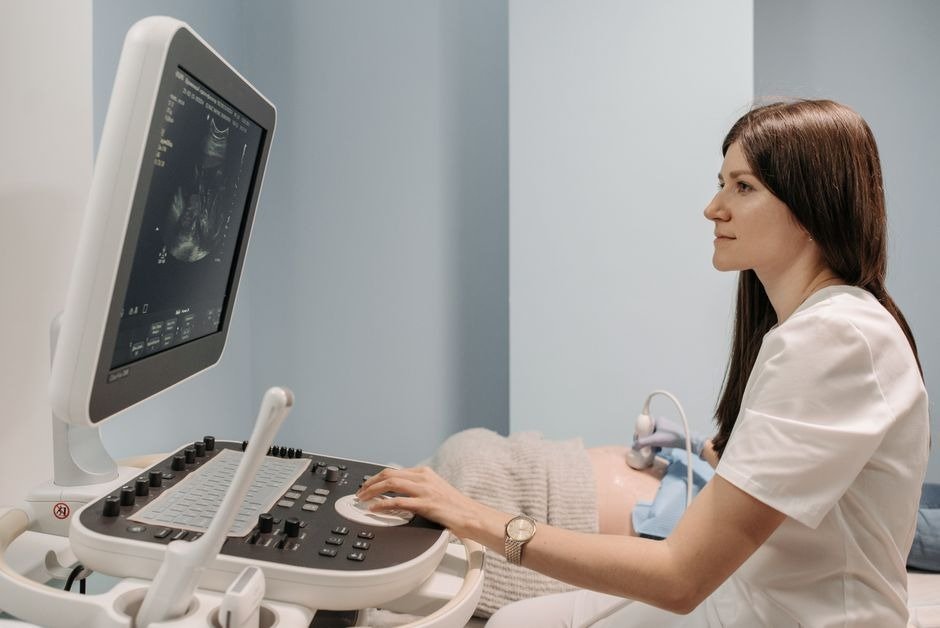
A hernia may initially appear as a small bulge, mild pressure, or discomfort when standing, bending, or lifting heavy objects. However, these symptoms can gradually interfere with your daily activities and overall comfort. For individuals in New York City, managing work commitments, busy schedules, and daily responsibilities can make timely medical evaluation particularly important. Before choosing a treatment, it’s essential to understand the symptoms, available surgical options, recovery process, and factors that may influence your decision. Having the right information can help you make an informed choice about your health and treatment needs.
Understanding How a Hernia Develops and Affects Your Body
A hernia develops when internal tissue pushes through a weakened area of the surrounding muscle or connective tissue. It most frequently develops around the stomach area or where the lower body meets the upper thighs, although it can also occur in other parts of the body.
Symptoms vary depending on the hernia’s size, location, and severity. Some people may notice swelling in the affected area, while others experience pressure, discomfort, or pain during physical activities. These symptoms may become more visible when coughing, lifting objects, or standing for extended periods.
A proper medical evaluation is important for identifying the type of hernia and determining whether treatment is necessary. Experienced specialists can assess your symptoms, examine the affected area, and recommend suitable treatment options based on your condition. If you’re looking for professionals who specialize in hernia care NYC has a wide range of experienced specialists who can evaluate your condition, explain available treatment options, and recommend suitable procedures based on your individual medical needs.
Why Recognizing Symptoms Early Is Important
Hernia symptoms can develop gradually, making them easy to overlook during the early stages. Some people experience occasional discomfort, while others notice swelling or a bulge that becomes more visible during physical activity.
Although certain hernias remain stable for extended periods, others can enlarge or become increasingly uncomfortable. Recognizing changes in symptoms can help you seek medical advice before complications develop.
A hernia may become incarcerated when tissue becomes trapped and cannot return to its normal position. Strangulation occurs when the trapped tissue loses its blood supply, creating a medical emergency.
Sudden severe pain, vomiting, discoloration around the bulge, or swelling that becomes firm and cannot be reduced requires immediate medical attention.
Regular evaluation allows healthcare professionals to monitor your condition and determine whether continued observation or surgical treatment is appropriate.
Why Delaying Treatment Can Lead to Complications
Not every hernia requires immediate surgery, and some patients may be advised to monitor their condition under medical supervision. However, delaying a proper evaluation can increase the risk of complications. Symptoms may develop gradually, but certain changes can occur suddenly and require urgent medical attention.
A reducible hernia is one in which the bulge can be gently pushed back into place or becomes less noticeable when lying down. Although this type may not cause significant discomfort initially, it can worsen over time. If tissue becomes trapped and cannot return to its normal position, the condition is known as an incarcerated hernia. If trapped tissue no longer receives adequate circulation, it can result in strangulation, a serious condition requiring emergency medical attention.
Warning signs include sudden severe pain, nausea, fever, vomiting, discoloration around the affected area, or a bulge that becomes firm and cannot be pushed back into place. These symptoms require immediate medical attention. Early assessment can help determine the most appropriate treatment approach and reduce the likelihood of further complications.
Why Complete Diagnosis Matters for Proper Treatment
Most hernias are diagnosed through a review of the patient’s medical history and a physical examination. During the examination, a surgeon may ask you to stand, cough, or gently strain to make the affected area easier to identify. In some cases, imaging tests such as ultrasound or CT scans may be recommended, particularly when symptoms are mild, the hernia has returned after previous treatment, or the condition is more complex.
A thorough evaluation involves more than simply confirming the presence of a hernia. It should identify the type, size, location, and whether the bulge can be pushed back into place. Your surgeon should also review your previous surgical history and determine whether your symptoms are directly related to the hernia. This is important because abdominal pain can sometimes result from other medical conditions.
Why Choosing the Right Surgical Technique Matters
When considering hernia surgery, patients are often presented with different surgical procedures, including open, laparoscopic, and robotic-assisted repair. While each technique has its advantages, choosing the most suitable approach involves evaluating several important factors. These include the condition of surrounding tissues, the size of the hernia, the risk of recurrence, previous surgical scars, existing pain, and whether additional reinforcement is necessary.
Some hernia repairs involve surgical mesh to strengthen the weakened area, while others use the patient’s own tissues to close the defect. Both approaches have potential benefits and limitations. The choice depends on factors such as the hernia’s characteristics, expected recovery, and possible complications.
Not every surgical technique is appropriate for every patient. For example, repairing a small umbilical hernia may require a different approach than treating a recurrent inguinal hernia following previous surgery. Your medical history, overall health, and the complexity of the condition all influence the recommended procedure.
Why Proper Recovery Care Matters After Surgery
Many patients focus primarily on the surgical procedure without giving enough attention to the recovery process. However, the initial recovery period plays an important role in healing, managing discomfort, and gradually returning to normal daily activities. Following proper postoperative care instructions can help support a smoother recovery and reduce the risk of complications.
After surgery, patients are generally encouraged to begin gentle walking, stay hydrated, and take precautions to prevent constipation. It is also important to avoid activities that place excessive pressure on the abdominal area. Depending on the type of repair and your surgeon’s recommendations, restrictions on heavy lifting may continue for several days or weeks.
The time needed to resume regular activities varies depending on your lifestyle and physical responsibilities. Individuals with desk jobs may return to work sooner than those whose occupations involve heavy lifting or strenuous physical activity. Daily responsibilities, such as carrying heavy bags or lifting children, may also require temporary adjustments. Discomfort during recovery can vary from person to person.
Important Questions to Ask During Your Hernia Consultation
A medical consultation is an important opportunity to understand your condition and explore suitable treatment options. Preparing questions beforehand can help you make informed decisions about your care. Consider asking your surgeon the following questions:
- What type of hernia do I have, and how serious is it?
- Can the hernia be pushed back into place?
- Is surgery necessary now, or can my condition be monitored safely?
- Which surgical technique is most suitable for my condition?
- Will the procedure involve surgical mesh?
- What are the possible risks and chances of recurrence?
- How long will recovery take, and what activities should I avoid?
An experienced specialist should clearly explain the available options and their benefits. They should also consider your symptoms, lifestyle, and daily responsibilities when recommending a treatment plan.