Blazertje: Meaning, Styles, Fabrics and Styling Tips
Discover what blazertje means, explore popular styles and fabrics, learn how to wear this versatile blazer, and find practical tips for care and styling.
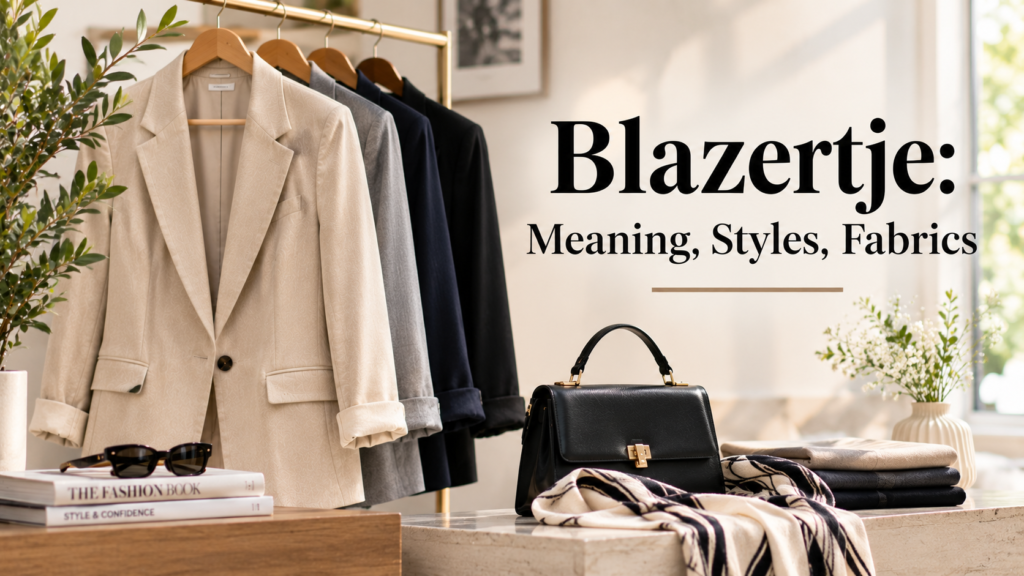
Blazertje: Meaning, Style, Features, and How to Wear It
Introduction to Blazertje
Fashion constantly evolves, combining traditional clothing with modern designs to create versatile pieces that suit different lifestyles. One term that has attracted attention in contemporary fashion discussions is blazertje. It is closely associated with the blazer, a classic garment that has become an essential part of modern wardrobes. From professional workplaces to casual outings, this style represents a balance between elegance, comfort, and everyday practicality.
A blazertje can be understood as a smaller, lighter, or more casual blazer, particularly in Dutch-language fashion contexts, where the suffix “-tje” often functions as a diminutive. Depending on the context, the word may refer to a little blazer or a blazer with a relaxed, approachable appearance. Its precise meaning can vary between retailers, fashion writers, and individual style preferences.
The growing interest in blazertje reflects a broader shift toward clothing that can transition easily between different occasions. Rather than maintaining separate wardrobes for work, social gatherings, and everyday activities, many people prefer adaptable garments that offer several styling possibilities.
This guide explores the meaning of blazertje, its history, popular designs, fabrics, styling options, care requirements, and practical considerations for choosing the right piece.
Blazertje Biography Table
The following table provides a quick overview of the term and its fashion-related characteristics.
| Attribute | Details |
| Name | Blazertje |
| Category | Fashion and clothing |
| Garment type | Blazer or lightweight jacket |
| Linguistic origin | Dutch diminutive form associated with blazer |
| Common style | Smart casual, casual, or semi-formal |
| Popular materials | Cotton, linen, wool, polyester, and blends |
| Common occasions | Work, social events, travel, and everyday wear |
| Main purpose | Layering, style, and a polished appearance |
The information above describes the general fashion meaning of blazertje. It does not identify a single designer, company, or officially registered clothing product.
What Does Blazertje Mean?
The word blazertje is generally understood as a Dutch diminutive of blazer. In Dutch, diminutive endings can express smallness, familiarity, or a softer tone. Therefore, the term can communicate the idea of a little blazer without necessarily defining a specific size or technical garment category.
In fashion descriptions, blazertje may be used for a lightweight jacket, a shorter blazer, or a blazer intended for relaxed everyday outfits. However, the word does not automatically mean that the garment must be cropped, fitted, or made from a particular material.
Also read: Supermaked: Meaning, Features, Benefits and Complete Guide
For example, someone might describe a short jacket worn over a blouse as a blazertje because it adds structure without making an outfit look overly formal. Another person might use the same word for a soft, unlined blazer suitable for warmer weather.
Understanding this distinction is useful because clothing terminology is not always standardized. Retailers sometimes use descriptive words to communicate a product’s appearance or intended mood rather than its precise construction.
In practical terms, blazertje is best understood through the garment’s shape, fabric, fit, and styling rather than the name alone.
The History and Evolution of the Blazer
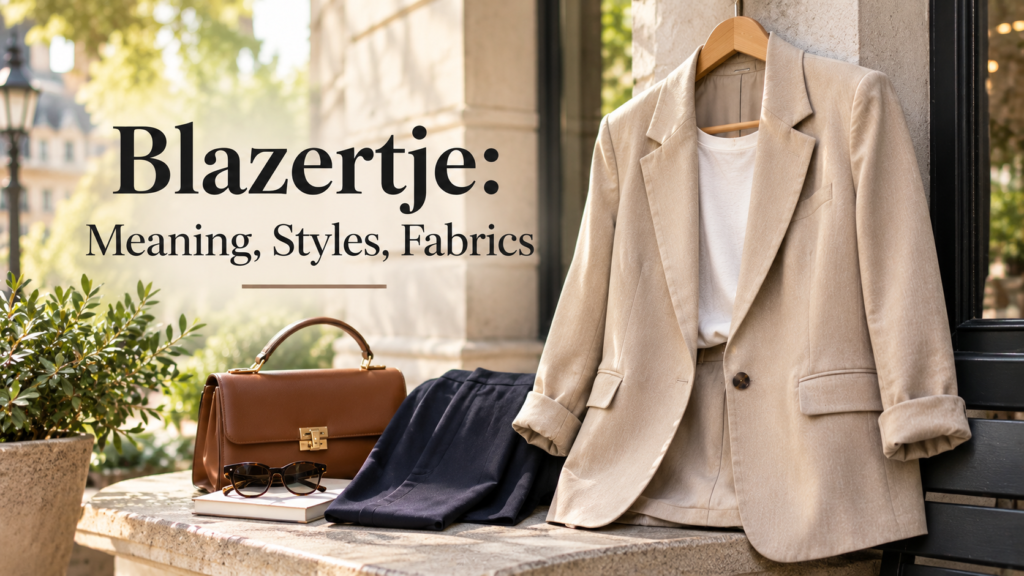
To understand blazertje, it helps to examine the history of the blazer itself.
The modern blazer developed from traditions of tailored jackets associated with clubs, sporting activities, and formal social settings. Over time, it became a recognizable garment that offered more flexibility than a complete suit. Unlike a matching suit jacket, a blazer could be paired with trousers, skirts, or other garments in contrasting colors.
During the twentieth century, blazers became increasingly common in professional and educational environments. They also developed a strong association with nautical fashion, country-club clothing, and traditional British tailoring.
As fashion became more diverse, designers experimented with new cuts, fabrics, colors, and proportions. Structured shoulders gave way to softer silhouettes in some collections, while oversized jackets and cropped designs became popular alternatives to traditional tailoring.
The contemporary interpretation of blazertje fits into this wider evolution. It represents the appeal of blazer-inspired clothing that can be worn in more relaxed situations without losing its polished character.
Today, blazer-style jackets appear in minimalist wardrobes, streetwear collections, office clothing, and seasonal fashion ranges. Their adaptability has helped them remain relevant despite changing trends.
Key Features of a Blazertje
The defining characteristics of a blazertje depend on its design, but several features commonly distinguish this style from heavier coats and more formal jackets.
1. Lightweight Construction
Many garments described as blazertje are designed for comfortable layering. They may use lightweight cotton, linen, viscose, or blended fabrics that provide structure without excessive warmth.
This makes them suitable for indoor environments, mild weather, and occasions when a heavy jacket would feel unnecessary. However, some versions use wool or thicker materials for colder seasons.
2. Versatile Silhouette
A blazertje can feature a fitted, straight, relaxed, or slightly oversized shape. Shorter versions may emphasize the waist, while longer cuts create a more elongated silhouette.
The best shape depends on personal preference, body proportions, and the intended outfit. A relaxed design often creates an effortless appearance, whereas a fitted style can look more formal.
3. Classic Tailoring Details
Common blazer details include lapels, front buttons, shaped seams, pockets, and a defined shoulder line. Not every blazertje includes all these elements, particularly when the design prioritizes softness or minimalism.
These details help the garment maintain the recognizable appearance of a blazer while allowing greater freedom in styling.
4. Easy Layering
Layering is one of the most practical advantages of a blazertje. It can be worn over a T-shirt, shirt, blouse, lightweight sweater, or simple dress.
A well-chosen layer adds visual structure without requiring a complete change of outfit. This is especially useful for people who want clothing that works in several settings throughout the day.
5. A Balance Between Casual and Formal
Traditional blazers often create a professional appearance, while casual jackets tend to prioritize comfort. A blazertje can occupy the space between these categories.
For instance, a neutral blazer worn with jeans and sneakers can look relaxed but intentional. The same garment paired with tailored trousers and leather shoes may create a more refined appearance.
Popular Types of Blazertje
Different designs offer different advantages. Recognizing the main styles can make it easier to choose a garment that suits individual needs
Best Fabrics for a Blazertje
Fabric influences the appearance, comfort, durability, and seasonal usefulness of a jacket. Choosing the right material is therefore just as important as selecting the right color or fit.
Cotton
Cotton is a versatile option that feels comfortable against the skin and generally works well for everyday clothing. Cotton blazers can range from structured designs to soft, casual versions.
They are particularly useful for spring and mild autumn weather, depending on their thickness and lining.
Linen
Linen is associated with warm-weather clothing because it allows air to circulate and has a naturally relaxed texture. A linen blazertje can complement light-colored trousers, cotton shirts, and summer dresses.
One consideration is that linen wrinkles relatively easily. For some outfits, these creases contribute to its relaxed appearance; for others, regular pressing may be necessary.
Wool
Wool is a traditional tailoring material that offers structure and insulation. Lightweight wool can work throughout much of the year, while heavier versions are more appropriate for cooler temperatures.
A wool blazertje can be a practical choice for professional wardrobes because it often maintains a refined appearance.
Polyester and Blended Fabrics
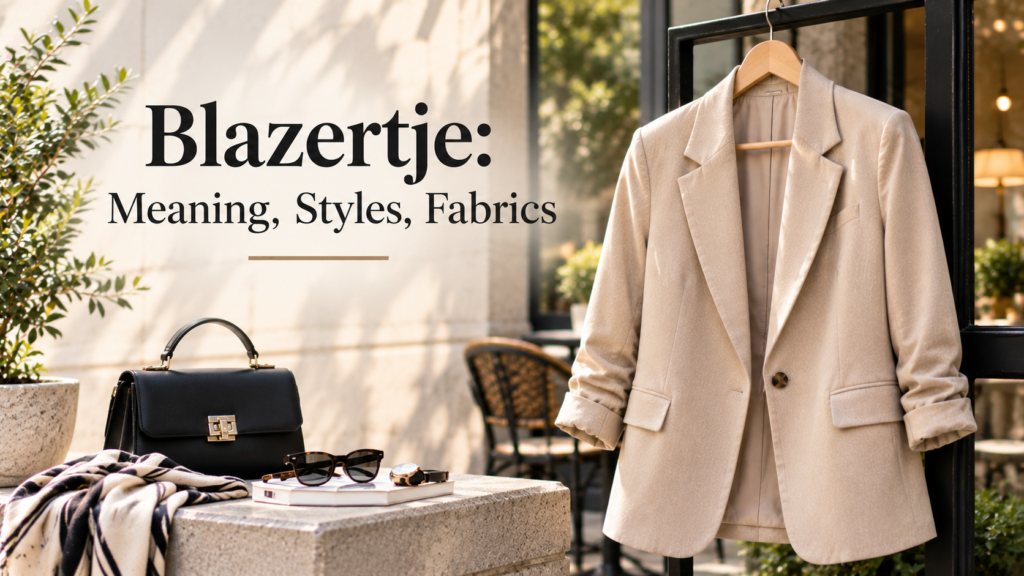
Polyester and fabric blends are frequently used to improve durability, reduce wrinkling, or lower production costs. Their comfort and breathability vary depending on the fabric construction and the proportion of synthetic fibers.
Checking the care label is important because some blends tolerate regular washing, while others require gentle cleaning or professional care.
Viscose and Other Soft Fabrics
Viscose and similar materials can create a flowing, comfortable silhouette. They are useful for softer designs that prioritize movement over rigid tailoring.
However, the fabric’s durability and care requirements depend on its construction. A well-made garment should balance appearance with practical everyday use.
How to Style a Blazertje for Different Occasions
One of the strongest reasons to choose a blazertje is its ability to complement different outfits. A few simple changes can transform the same jacket from casual daytime clothing into a more formal ensemble.
Everyday Casual Outfits
For a relaxed daytime look, pair a neutral blazertje with a plain T-shirt, straight-leg jeans, and clean sneakers. This combination creates a balanced appearance without looking excessively formal.
A white, beige, or gray top can work particularly well with a darker jacket. Alternatively, a colorful blazer can become the main feature of an otherwise simple outfit.
Accessories should remain practical. A shoulder bag, understated watch, or simple belt can complete the look without overwhelming it.
Professional and Office Wear
A structured blazertje can be paired with tailored trousers, a button-down shirt, and loafers for a professional appearance. Neutral colors often provide the greatest flexibility because they coordinate easily with other workplace clothing.
For business-casual environments, a softer jacket with dark jeans and a neat shirt may also be appropriate. The best combination depends on workplace expectations and the garment’s construction.
Evening and Social Events
For dinner, celebrations, or informal social gatherings, a blazertje can add sophistication to a simple outfit. It can be worn over a fitted top, an elegant blouse, or a minimalist dress.
Dark colors such as black, navy, and deep brown create a classic effect, while jewel tones can make the outfit more distinctive.
Footwear helps determine the overall mood. Heeled shoes may create a dressier appearance, while loafers or sleek flats offer a comfortable alternative.
Summer and Holiday Styling
During warm weather, choose breathable materials and lighter shades. A linen blazertje worn over a simple top with lightweight trousers can provide a polished appearance without the weight of a traditional jacket.
For travel, a soft, unlined design can be particularly useful because it layers easily over different outfits. However, linen and some delicate fabrics may crease during packing, so the material should be chosen according to the journey.
Minimalist and Contemporary Fashion
A minimalist wardrobe benefits from clothing that works in multiple combinations. A black, beige, gray, or navy blazertje can serve as a reliable layering piece.
Pairing it with uncomplicated garments allows the cut and fabric to stand out. Repeating a small selection of complementary colors also makes outfit planning easier and can reduce the need to purchase unnecessary items.
How to Choose the Right Blazertje
Selecting the right blazertje requires more than choosing an attractive design. Fit, comfort, fabric quality, and intended use all influence whether a garment becomes a useful part of a wardrobe.
Consider the Fit
The shoulders should sit comfortably, and the jacket should allow natural movement. A fitted style generally follows the body’s shape, while an oversized version provides additional room.
When trying on a blazertje, check whether the buttons close comfortably and whether the sleeves allow free movement. The jacket should feel natural when sitting, standing, and walking.
Choose a Suitable Color
Color affects how easily a garment can be combined with existing clothing.
- Black: Suitable for classic and versatile outfits.
- Navy: A refined alternative to black, especially for professional clothing.
- Beige: Works well with white, brown, cream, and other neutral colors.
- Gray: Offers a balanced option for casual and business-casual settings.
- Pastel shades: Create a lighter appearance for spring and summer.
- Bold colors: Add personality and can become the focal point of an outfit.
A neutral blazertje is often a sensible first purchase because it can be worn with a wider range of garments. More distinctive colors can be added when a wardrobe already contains dependable basics.
Check the Construction
Examine the seams, buttons, lining, pockets, and overall finish. Straight stitching and securely attached buttons are useful indicators of careful construction.
The lining should not pull awkwardly, and the jacket should retain its intended shape during normal movement. A garment does not necessarily need to be expensive to be well made, but quality details can influence how long it remains wearable.
Think About Your Lifestyle
A person who works in a formal office may benefit from a structured design, while someone who prefers relaxed clothing might find an unlined cotton version more useful.
Climate also matters. Lightweight fabrics suit warmer conditions, whereas wool and heavier blends offer more warmth. Considering these factors before purchasing can help prevent an attractive but impractical choice.
Blazertje and Sustainable Fashion
Sustainability has become an important consideration in modern clothing decisions. Instead of buying garments solely because they follow a temporary trend, consumers increasingly consider longevity, versatility, and material quality.
A blazertje can support a more considered wardrobe when it is selected for repeated use. A neutral design that works with several outfits may provide more practical value than a highly distinctive garment worn only occasionally.
Several habits can help extend the life of a blazer-style jacket:
- Choose a durable fabric appropriate for the intended use.
- Follow the manufacturer’s washing and care instructions.
- Repair loose buttons or small seam problems before they become worse.
- Store the garment on a suitable hanger to help preserve its shape.
- Consider secondhand clothing when looking for distinctive or classic designs.
- Avoid purchasing multiple similar jackets that serve exactly the same purpose.
Sustainability also depends on how a garment is produced, transported, maintained, and eventually discarded. Buying a blazertje does not automatically make a wardrobe sustainable, but choosing durable pieces and wearing them regularly can be part of a more responsible approach to fashion.
Caring for a Blazertje
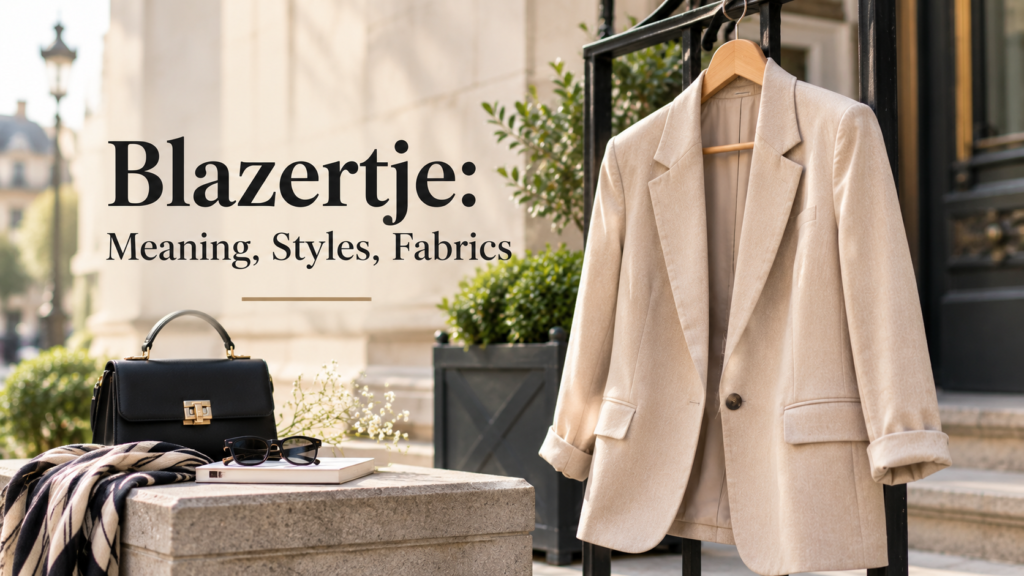
Proper maintenance helps preserve the garment’s appearance and extends its useful life. Because blazers vary in material and construction, care should always begin with the manufacturer’s label.
Cleaning and Washing
Cotton and some synthetic garments may be machine washable, while structured wool jackets and lined designs may require professional cleaning. Linen, viscose, and blended fabrics can have specific temperature and handling requirements.
Avoid assuming that every blazertje can be washed in the same way. Incorrect cleaning may cause shrinkage, color fading, or damage to the garment’s structure.
Removing Wrinkles
A steamer can help reduce wrinkles in many fabrics, although the appropriate temperature depends on the material. An iron should be used carefully, especially on delicate fibers and synthetic blends.
Testing a hidden area and following the care instructions can reduce the risk of damage.
Proper Storage
Hang the jacket on a sturdy hanger that supports the shoulders. Allowing enough space between garments helps reduce crushing and makes the jacket easier to access.
For seasonal storage, ensure the garment is clean and completely dry before putting it away. A clean, dry storage area can help prevent unwanted odors and moisture-related damage.
Maintaining Shape and Appearance
Check buttons, seams, cuffs, and pockets periodically. Small repairs can help prevent further deterioration.
Also read: Babybelletje: Meaning, Origins, Uses and Key Facts
Regular care is particularly important for a blazertje worn frequently for work or travel. A well-maintained garment is more likely to retain its original appearance across multiple seasons.
Why Blazertje Fits Modern Fashion
Modern fashion increasingly values flexibility. People often want clothing that works in professional environments while remaining comfortable enough for everyday activities.
The blazertje concept fits this preference because it combines the recognizable structure of a blazer with the possibility of a lighter or more relaxed design. Its appeal is not limited to one age group, gender, or fashion aesthetic.
A minimalist dresser might choose a neutral, tailored version. Someone interested in contemporary streetwear might prefer an oversized silhouette, while a summer wardrobe could benefit from a lightweight linen option.
This adaptability also makes the term relevant to online fashion searches. Consumers frequently look for garments based on their intended appearance, seasonal use, or styling potential rather than relying exclusively on traditional clothing categories.
Nevertheless, blazertje should not be treated as a universally standardized product name. The exact meaning depends on how the word is used in a particular listing or conversation. Examining product photographs, measurements, material descriptions, and fit information remains the most reliable way to understand what a retailer is offering.
Frequently Asked Questions About Blazertje
1. What is a blazertje?
A blazertje is generally understood as the Dutch diminutive of blazer. In fashion contexts, it may refer to a little blazer, a lightweight jacket, or a relaxed blazer-style garment.
2. Is a blazertje different from a regular blazer?
Not necessarily. The word can suggest a smaller or more casual blazer, but it does not define a separate technical garment category. The actual differences depend on the product’s cut, fabric, and construction.
3. Can a blazertje be worn casually?
Yes. A blazertje can be styled with jeans, T-shirts, sneakers, and simple accessories. The overall appearance depends on the jacket’s design and the other pieces in the outfit.
4. Is a blazertje suitable for work?
Yes. A structured design in black, navy, gray, or beige can complement office clothing. However, suitability depends on the workplace dress code and the formality of the garment.
5. Which fabric is best for a blazertje?
Cotton and linen are useful options for lighter outfits, while wool offers structure and warmth. Polyester blends and viscose may provide different advantages depending on their construction and intended use.
6. Can a blazertje be worn in summer?
Yes. A lightweight, breathable design made from linen or cotton can work well in warmer weather. Unlined versions may feel more comfortable than heavily structured jackets.
7. How should a blazertje fit?
The fit should allow comfortable movement without unwanted pulling at the shoulders, chest, or arms. Fitted and oversized styles are both suitable, provided the proportions match the intended look.
8. Is blazertje a brand name?
The word is generally used as a Dutch diminutive associated with a blazer, rather than identifying one specific brand. A particular retailer could use it in a product name, so context matters.
9. How can I make a blazertje last longer?
Follow the garment’s care label, store it on a suitable hanger, address small repairs promptly, and avoid unnecessary washing. Choosing durable materials can also help extend its lifespan.
10. Where can a blazertje be worn?
It can be worn at work, during travel, at dinners, at social gatherings, and in everyday settings. The fabric, color, and styling determine whether the result looks casual, smart-casual, or formal.
A Timeless Piece for a Flexible Wardrobe
The appeal of blazertje lies in the flexibility of blazer-inspired fashion. It offers a useful way to think about clothing that combines structure with comfort and can adapt to different occasions.
Although the term does not describe one universally defined garment, it commonly points toward the approachable side of blazer styling. Understanding its meaning, recognizing different designs, and choosing appropriate fabrics can make shopping and outfit planning easier.
For anyone building a practical wardrobe, the most useful blazertje is not necessarily the most expensive or trend-driven option. It is the one that fits comfortably, complements existing clothing, suits the climate, and remains useful beyond a single season





1 thought on “Blazertje: Meaning, Styles, Fabrics and Styling Tips”