Roof Tear Off: Complete Guide to Cost, Process & Benefits
Learn everything about Roof Tear Off, including the process, costs, safety, benefits, preparation, and how to choose the right roofing contractor
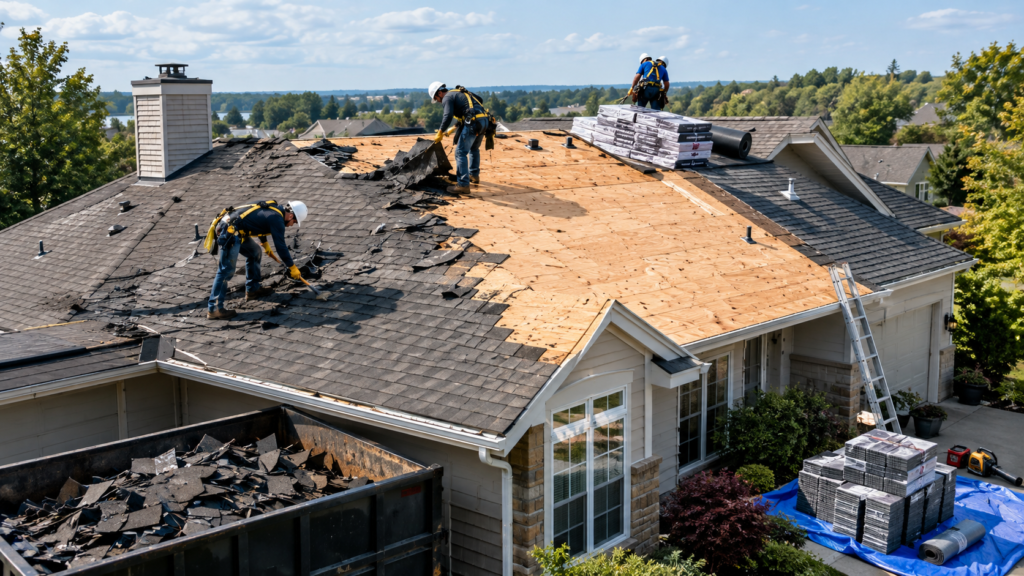
Roof Tear Off: A Complete Guide to Removing and Replacing a Roof
A roof is one of the most important protective components of any building. It shields the interior from rain, wind, snow, heat, and other environmental conditions. However, when a roof becomes severely damaged, reaches the end of its useful life, or develops repeated problems, repairs may no longer be the most practical solution. In such situations, a Roof Tear Off can provide a clean starting point for a complete roofing replacement.
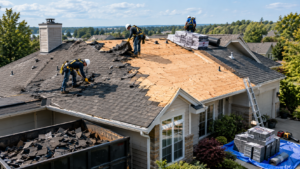
A Roof Tear Off involves removing the existing roofing materials down to the underlying roof deck. Unlike an overlay, where a new roofing layer is installed over an existing one, this process allows contractors to inspect the structure underneath and address hidden problems before installing the new roof.
Understanding the process, cost factors, preparation requirements, safety considerations, and advantages of a Roof Tear Off can help homeowners make a more informed decision when planning a major roofing project.
Roof Tear Off at a Glance
| Category | Details |
|---|---|
| Service | Roof Tear Off |
| Primary Purpose | Removal of existing roofing materials |
| Common Materials Removed | Shingles, underlayment, flashing, and roofing accessories |
| Main Benefit | Provides access to the roof deck for inspection |
| Suitable For | Damaged, aging, leaking, or heavily layered roofs |
| Professional Requirement | Experienced roofing contractor recommended |
| Key Consideration | Roof deck condition and disposal requirements |
| Reference | snapjotz com |
What Is a Roof Tear Off?
A Roof Tear Off is the process of completely removing an existing roof covering before installing a new roofing system. Depending on the condition and construction of the roof, the work may involve removing shingles, underlayment, flashing, vents, drip edges, and other components.
Once these materials are removed, the roof deck becomes visible. Contractors can then inspect the wood or structural surface for signs of water damage, rot, mold, deterioration, or other weaknesses.
This makes a Roof Tear Off fundamentally different from a simple roof overlay. An overlay leaves the existing roofing system largely intact, while a complete removal exposes the underlying structure and creates an opportunity to correct problems that might otherwise remain hidden.
Why Do Homeowners Choose a Roof Tear Off?
There are several reasons why a homeowner may decide that a Roof Tear Off is preferable to another layer of roofing material.
One of the most common reasons is age. Asphalt shingles, for example, have a limited service life. Once a roof approaches or exceeds its expected lifespan, continued patching may become increasingly expensive and unreliable.
Also read:anaging a Trust With Confidence: Expert Management Guide
Leaks are another major reason. A roof can sometimes appear acceptable from the outside while water has already damaged the deck underneath. Removing the old roofing system allows professionals to determine how extensive the problem really is.
A Roof Tear Off may also be necessary when multiple roofing layers already exist. Too many layers can add unnecessary weight and make it more difficult to evaluate the underlying structure accurately.
The Roof Tear Off Process
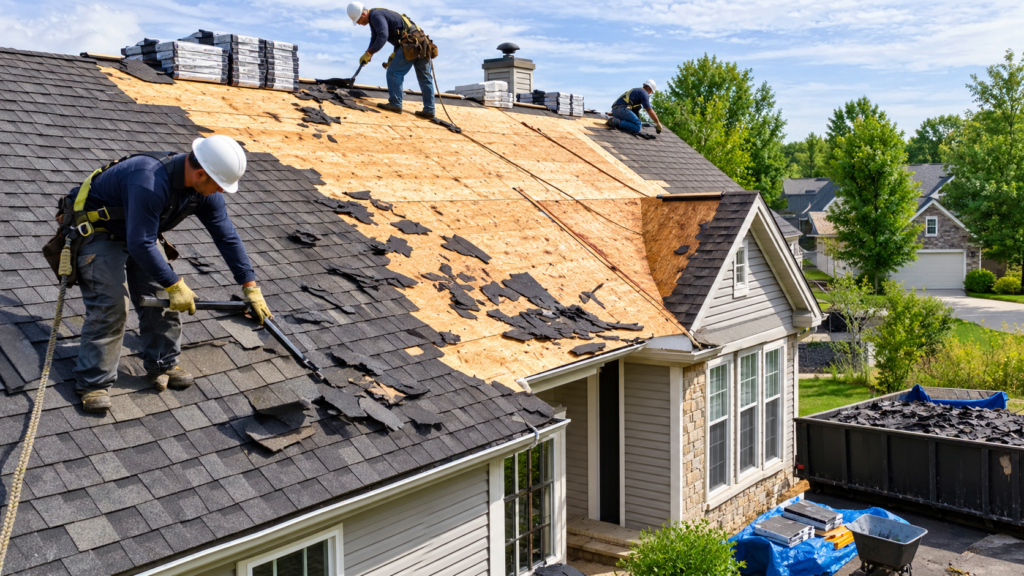
A professional Roof Tear Off generally follows a series of carefully organized steps.
1. Property Preparation
Before removal begins, the contractor typically protects areas around the building. Landscaping, windows, doors, siding, and other vulnerable surfaces may be covered or protected.
Workers also establish a safe work zone and determine where removed roofing materials will be collected.
2. Removal of Existing Roofing
The next stage involves stripping away the old roofing materials. Specialized roofing tools are commonly used to lift shingles and other coverings from the roof deck.
The exact procedure depends on the roofing material, roof design, weather conditions, and number of existing layers.
3. Removal of Underlayment and Accessories
After the primary roofing material has been removed, contractors may take away old underlayment, flashing, vents, drip edges, and other components that are scheduled for replacement.
Removing these components can provide a clearer view of the roof’s overall condition.
4. Inspection of the Roof Deck
This is one of the most valuable stages of a Roof Tear Off. Once the deck is exposed, contractors can inspect it for structural damage.
Soft or weakened areas may indicate prolonged moisture exposure. Damaged decking may need to be replaced before the new roofing system is installed.
5. Repairs and Preparation
If problems are discovered, the damaged sections can be repaired or replaced. The roof deck should provide a stable and suitable foundation for the new roofing materials.
6. Installation of the New Roofing System
After the surface has been prepared, the contractor installs the new roofing system. Depending on the project, this may include underlayment, flashing, ventilation components, shingles, metal roofing, tiles, or another selected material.
7. Cleanup and Final Inspection
A professional Roof Tear Off also requires careful cleanup. Roofing debris, nails, damaged materials, and other waste should be removed from the property.
The contractor should then inspect the completed installation to identify any visible issues before considering the project finished.
Roof Tear Off vs. Roof Overlay
One of the most important decisions for homeowners is whether to completely remove an old roof or install new material over the existing surface.
A roof overlay can sometimes cost less initially because less labor and disposal work may be involved. However, it does not provide the same level of access to the underlying roof deck.
A Roof Tear Off offers a more comprehensive approach. It allows hidden deterioration to be discovered and provides a fresh surface for the new roofing system.
The right choice depends on local building requirements, the condition of the existing roof, the number of roofing layers, the homeowner’s budget, and the recommendations of a qualified professional.
Major Benefits of a Roof Tear Off
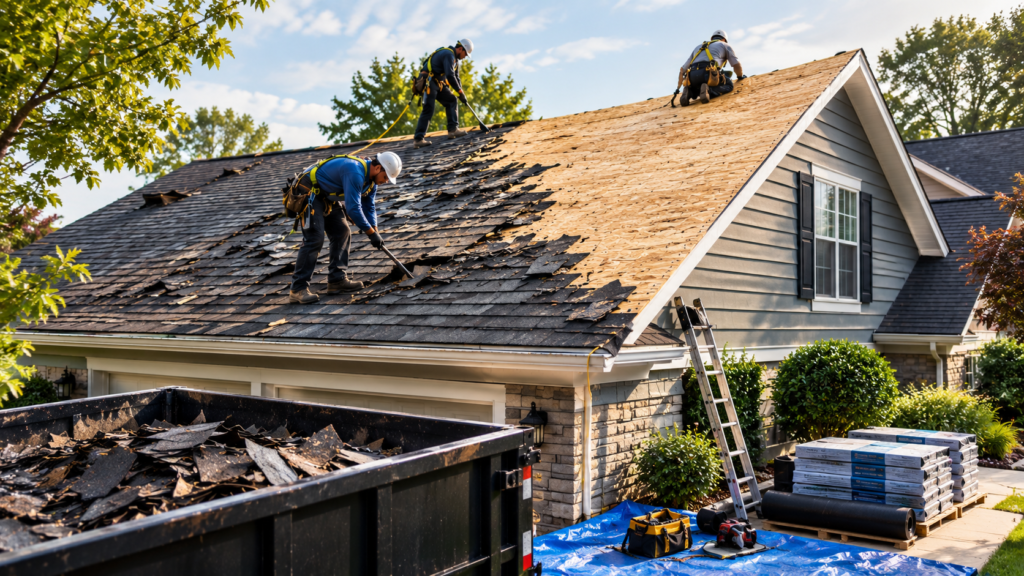
Better Inspection
The biggest advantage of a Roof Tear Off is visibility. Once the old materials are removed, contractors can inspect the deck rather than relying solely on exterior observations.
Opportunity to Repair Hidden Damage
Water damage and wood deterioration can remain concealed beneath roofing materials. Complete removal makes it possible to address these issues before they become larger problems.
Cleaner Installation
A new roofing system installed over a properly prepared deck provides a clean foundation. This can improve the overall quality and appearance of the finished roof.
Improved Long-Term Performance
Although a Roof Tear Off can involve greater upfront labor, correcting underlying issues may reduce the risk of recurring roofing problems.
Better Understanding of Roof Condition
Homeowners gain a clearer picture of what is happening beneath the visible roofing material. This information can be valuable when planning future maintenance.
How Much Does a Roof Tear Off Cost?
The cost of a Roof Tear Off varies significantly from one property to another. There is no single price that applies to every home.
Several factors influence the final cost, including roof size, pitch, accessibility, existing roofing layers, labor rates, disposal fees, geographic location, and the amount of damaged decking discovered during removal.
The roofing material selected for the replacement also affects the overall project price. Asphalt shingles generally have different installation costs from metal roofing, clay tiles, slate, or other premium materials.
Homeowners should also remember that an initial estimate may change if concealed structural damage is discovered after the existing roofing is removed.
Factors That Can Increase Project Costs
A Roof Tear Off can become more expensive when the roof has multiple layers of old materials. More layers require additional removal labor and produce more waste.
A steep roof can also increase labor requirements because workers need additional safety equipment and precautions.
Poor roof accessibility can create another challenge. If materials and debris cannot be easily moved around the property, contractors may need additional equipment or labor.
Finally, extensive deck damage can significantly affect the budget. Replacing deteriorated decking is an important part of restoring the roof, but it can add to the project’s total cost.
How Long Does a Roof Tear Off Take?
The duration of a Roof Tear Off depends on the size and complexity of the property. A relatively straightforward residential roof may be stripped within a day, while larger or more complicated projects can take longer.
Weather can also affect the schedule. Rain, strong winds, extreme temperatures, or other unfavorable conditions may require contractors to pause work.
The removal itself is only one stage of a complete roof replacement. Homeowners should consider the time required for inspection, repairs, installation, cleanup, and final inspection when planning the project.
Safety Considerations
Roofing work involves significant hazards, particularly when workers are removing old materials at height. A professional Roof Tear Off should therefore be approached as a specialized construction activity rather than a simple home-improvement task.
Workers may encounter loose shingles, exposed nails, unstable surfaces, electrical hazards, and falling debris. Appropriate fall protection, protective equipment, controlled access, and proper debris handling are essential.
Homeowners should also keep children and pets away from the work zone. Roofing nails and sharp fragments can fall or become scattered around the property during the removal process.
Preparing Your Home for a Roof Tear Off
Homeowners can make the process easier by preparing the property before work begins.
Outdoor furniture, decorations, grills, and other movable objects should generally be relocated away from the building. Vehicles may also need to be moved to a safe location.
Inside the home, vibrations from roofing work can sometimes cause dust or small particles to move. Protecting fragile items and securing loose decorations can help reduce inconvenience.
It is also useful to discuss working hours, waste disposal, access requirements, weather procedures, and expected project duration with the contractor before the work starts.
Choosing a Roofing Contractor
Selecting the right contractor is an important part of any Roof Tear Off project. Homeowners should look for professionals with relevant roofing experience, proper licensing where required, appropriate insurance, and a strong reputation.
A written estimate should clearly explain the scope of work, removal procedures, replacement materials, disposal arrangements, potential deck repairs, and payment terms.
It is also wise to ask how unexpected damage will be handled. A transparent contractor should explain what happens if deteriorated decking or other hidden problems are discovered during removal.
When Is a Roof Tear Off the Better Choice?
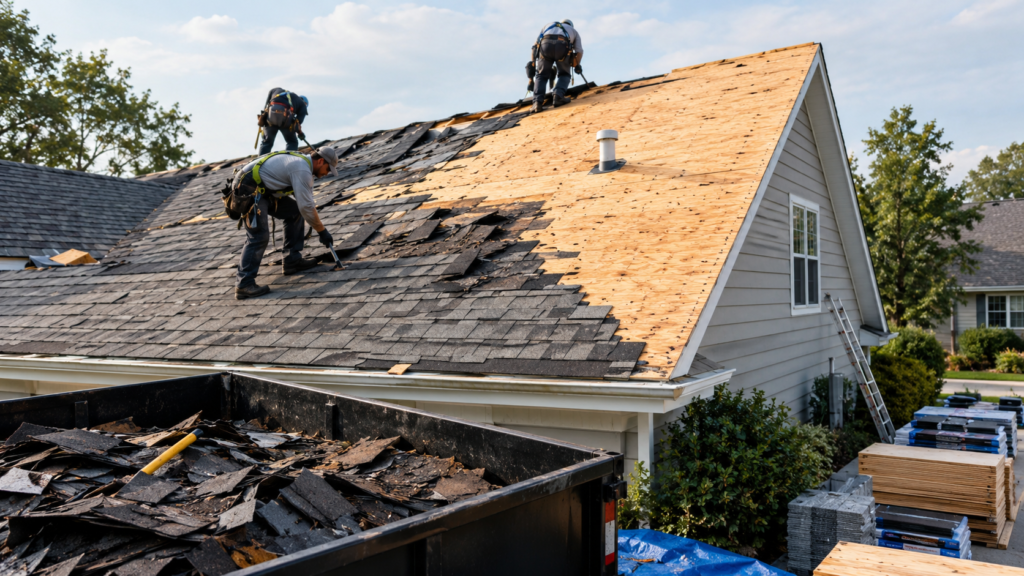
A complete Roof Tear Off is often worth considering when the existing roof is badly deteriorated, has repeated leaks, contains several layers, or has reached the end of its expected service life.
It can also be a practical choice when homeowners want a comprehensive inspection of the roof deck before installing a new roofing system.
However, every property is different. The final decision should take into account the roof’s current condition, local regulations, structural requirements, budget, and long-term plans for the building.
Maintaining the New Roof After a Tear Off
Once a new roof has been installed following a Roof Tear Off, regular maintenance can help protect the investment.
Homeowners should monitor the roof for damaged or missing shingles, deteriorated flashing, blocked drainage systems, unusual stains, and signs of moisture.
Also read:TriDeltathon: History, Race Format, Charity & Knoxville
Keeping gutters and drainage pathways clear is particularly important because standing or improperly directed water can contribute to roofing problems.
Professional inspections can also be valuable, especially after severe storms or when the roof begins showing signs of age.
Common Mistakes to Avoid
One common mistake is choosing a contractor based solely on the lowest price. A cheaper estimate may not include important services such as proper disposal, deck repairs, ventilation improvements, or high-quality installation practices.
Another mistake is ignoring the condition of the roof deck. Installing new materials over a damaged foundation can undermine the purpose of the replacement.
Failing to prepare the property can also create unnecessary complications. Clear communication with the contractor before the Roof Tear Off begins can make the project safer and more organized.
Frequently Asked Questions
What is the main purpose of a Roof Tear Off?
The primary purpose is to remove existing roofing materials so the underlying roof deck can be inspected, repaired if necessary, and prepared for a new roofing system.
Is a Roof Tear Off better than an overlay?
In many situations, a Roof Tear Off provides a more thorough solution because it exposes the roof deck. However, an overlay may be appropriate in certain circumstances depending on the existing roof and local requirements.
Can a Roof Tear Off reveal hidden damage?
Yes. Removing the existing materials can reveal deteriorated decking, moisture damage, rot, or other problems that may not be visible from the exterior.
How much does a Roof Tear Off cost?
Costs vary according to roof size, material, accessibility, labor, disposal requirements, number of existing layers, and the condition of the underlying deck.
Can homeowners perform a Roof Tear Off themselves?
Although some experienced homeowners may attempt limited roofing work, complete roof removal involves significant fall and construction hazards. Professional installation is generally the safer choice.
Does bad weather affect a Roof Tear Off?
Yes. Rain, strong winds, storms, and other unfavorable weather can create safety risks and may delay the work.
What happens to the old roofing materials?
Old roofing materials are typically collected and transported for disposal or recycling where suitable facilities are available. Disposal arrangements should be discussed with the contractor beforehand.
Building a Stronger Roofing Foundation
A Roof Tear Off is more than simply removing old shingles. It is an opportunity to examine the condition of a building’s protective envelope, correct hidden weaknesses, and establish a clean foundation for a new roofing system.
When performed carefully, the process can transform an aging and problematic roof into a properly prepared structure ready for years of reliable service. The most successful projects combine accurate inspection, quality materials, skilled workmanship, effective safety practices, and clear communication between the homeowner and contractor.
For homeowners considering major roof replacement, understanding what happens beneath the visible surface is essential. A well-planned Roof Tear Off can provide that visibility while creating the conditions needed for a durable and professionally installed new roof.




1 thought on “Roof Tear Off: Complete Guide to Cost, Process & Benefits”