Bodenxt: Sweden’s Green Transition and Sustainable Growth
Discover bodenxt, Boden’s development initiative in northern Sweden, and explore its role in green industry, sustainable growth, infrastructure, and housing
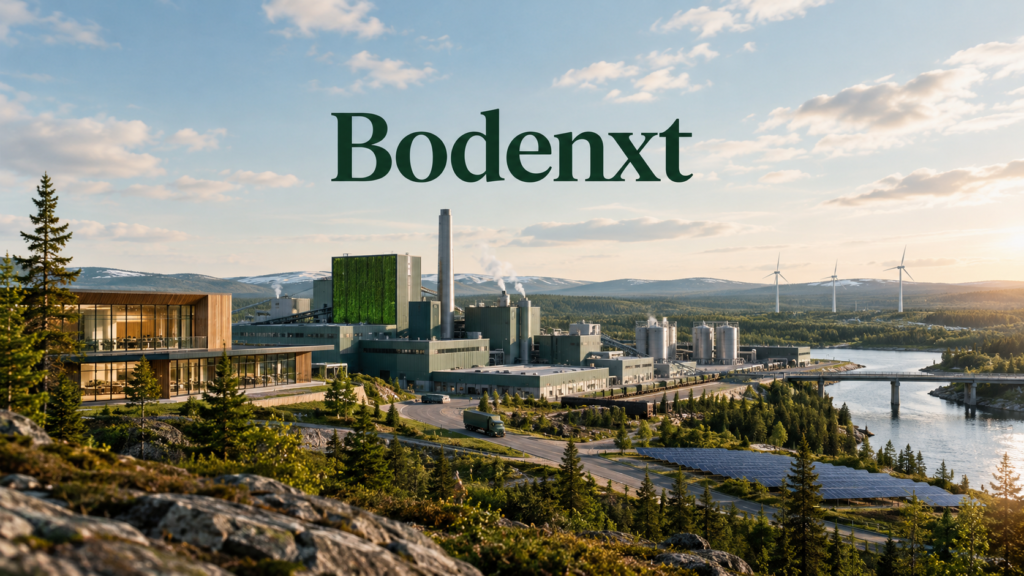
Bodenxt: Meaning, Vision, Development, and Sweden’s Green Future
Introduction
Bodenxt is a development initiative associated with Boden Municipality in northern Sweden, where industrial investment, sustainable development, and community planning are shaping a new phase of regional growth. The initiative reflects an important challenge facing modern municipalities: how to prepare infrastructure, housing, employment opportunities, and public services for rapid economic transformation without compromising long-term environmental and social goals.
Interest in bodenxt has grown alongside discussions about green industry and Sweden’s transition toward lower-emission production. However, understanding the initiative requires looking beyond industrial projects alone. Regional transformation involves much more than constructing factories or attracting businesses. It also requires planning for residents, supporting the workforce, improving essential services, and creating a community capable of adapting to change.
The significance of bodenxt lies in its coordinated approach to development. Rather than treating economic growth, infrastructure, and sustainability as completely separate responsibilities, the initiative connects these priorities within a broader vision for Boden’s future.
What Is Bodenxt?
Bodenxt is a strategic development framework associated with Boden Municipality in Sweden. Its purpose is to help coordinate the changes taking place across the municipality as major industrial investments create new opportunities and additional demands on local society.
The name combines Boden, the municipality’s name, with “next,” suggesting a forward-looking vision for the area. It represents the idea of preparing the community for its next stage of development while responding to the practical challenges created by rapid growth.
Unlike a conventional commercial product, bodenxt is not primarily understood as a consumer application or software platform. It is connected to regional planning, industrial development, infrastructure preparation, and the broader transition toward a more sustainable local economy.
The framework is particularly relevant because industrial expansion can affect almost every aspect of a community. New businesses may create employment, but they can also increase demand for homes, transportation, education, healthcare, and other essential services. Coordinating these needs is central to ensuring that economic progress benefits the wider population.
Quick Facts About Bodenxt
| Category | Details |
|---|---|
| Name | Bodenxt |
| Geographic association | Boden, northern Sweden |
| Country | Sweden |
| Initiative type | Municipal development and transformation framework |
| Main purpose | Coordinating regional growth and development |
| Key themes | Sustainability, infrastructure, housing, business, and workforce development |
| Economic context | Industrial investment and the green transition |
| Primary community | Residents, businesses, workers, and local institutions |
| Individual founder | Not applicable as a personal biography |
| Long-term focus | Supporting sustainable and coordinated development |
This overview describes the initiative rather than an individual. Personal details such as age, family background, or net worth are therefore not relevant to its profile.
Why Was Bodenxt Developed?
The development of bodenxt is closely connected to the scale and speed of change affecting Boden. Investment in emerging industrial sectors can create opportunities for a region, but it can also place pressure on systems that were originally designed for a smaller population and a different economic environment.
Also read: Harouxinn: Meaning, Digital Identity and Complete Guide
When a major industrial project enters a community, its effects extend beyond the construction site. Workers need accommodation, businesses require reliable transport and utilities, and families depend on schools, healthcare, recreation, and public services. Without coordinated planning, these demands can grow faster than the municipality’s capacity to respond.
Bodenxt addresses this wider challenge by connecting economic ambitions with the practical requirements of community development. Its broader purpose is to help the municipality prepare for change rather than responding to each new demand in isolation.
This approach also recognizes that sustainable growth requires long-term thinking. Decisions about land use, infrastructure, housing, and public facilities can influence a community for decades. Planning these elements together can help reduce unnecessary disruption and improve the area’s ability to accommodate future development.
The Connection Between Bodenxt and Green Industry
One of the most important contexts for bodenxt is the development of lower-emission industrial production in northern Sweden. The region has attracted attention because of its potential to support industrial transformation through energy resources, infrastructure, and investment in new production methods.
Green steel is a particularly relevant example. Traditional steelmaking can generate substantial carbon dioxide emissions, depending on the production process and energy sources used. Emerging production methods seek to reduce these emissions through alternative technologies and the use of lower-carbon energy.
Industrial projects associated with this transition can create opportunities for employment, suppliers, technical services, and regional investment. They can also increase demand for housing, transport networks, and skilled workers.
Bodenxt provides a broader municipal context for understanding these changes. It is important, however, to distinguish the development framework from the industrial companies operating in the area. A municipal initiative may coordinate community preparation and development priorities, while private companies remain responsible for their own facilities, investments, technologies, and commercial decisions.
This distinction helps explain why bodenxt should be viewed as part of a larger regional transformation rather than as a single factory, commercial brand, or industrial technology.
The Main Areas of Development
1. Housing and Living Conditions
Housing is a fundamental consideration whenever a community experiences rapid economic growth. New employment opportunities can attract workers from other regions and countries, increasing demand for rental properties, family homes, and temporary accommodation.
If housing construction cannot keep pace with population growth, workers may struggle to find suitable places to live. Rising demand can also affect affordability and make it harder for existing residents to secure accommodation.
For bodenxt, housing and living conditions form an important part of the broader planning challenge. Sustainable development requires communities where people can establish long-term lives, not simply locations where industrial facilities operate.
Effective planning may involve coordinating residential development with public transport, schools, healthcare facilities, green spaces, and everyday services.
2. Workforce and Skills Development
Industrial transformation depends on access to people with the right knowledge and practical abilities. New industries may require engineers, technicians, construction specialists, maintenance professionals, logistics workers, and employees with environmental or digital expertise.
A growing demand for these skills can create opportunities for local residents, educational institutions, and training providers. However, a shortage of qualified workers can also delay projects and increase recruitment difficulties.
Workforce development therefore involves more than filling immediate vacancies. It includes preparing people for emerging occupations, supporting professional training, and helping educational programs respond to changing industry requirements.
The bodenxt framework highlights the importance of considering employment and skills alongside other municipal priorities. Economic development becomes more resilient when local people have meaningful opportunities to participate in it.
3. Infrastructure and Transportation
Reliable infrastructure supports both industrial activity and everyday life. Roads, public transport, energy networks, water systems, wastewater treatment, and digital connectivity all influence how effectively a growing region can function.
Industrial expansion can increase pressure on existing systems, making careful planning essential. A road network designed for current traffic levels may face different demands as more workers, suppliers, and businesses arrive.
Infrastructure planning also needs to consider environmental performance. Efficient transportation, well-designed utilities, and coordinated land use can help limit unnecessary resource consumption and improve the quality of urban development.
Bodenxt brings these interconnected needs into the wider discussion about how Boden can accommodate change while maintaining a functional and attractive living environment.
4. Business Development
Large industrial investments can create opportunities for smaller companies and local suppliers. Businesses may provide construction services, equipment maintenance, catering, transportation, accommodation, professional advice, and other forms of support.
Also read: allysplay.com: Features, Safety, and Website Guide
However, these benefits do not automatically reach every local business. Companies may need suitable facilities, trained employees, access to finance, and clear information about procurement requirements.
A coordinated development strategy can help identify opportunities and prepare the local business environment for new demand. It can also encourage a more diverse economy in which employment is supported by several connected sectors rather than depending entirely on one major industrial employer.
For bodenxt, business development is relevant because the long-term value of industrial investment depends partly on how effectively its benefits connect with the wider regional economyFrequently Asked Questions About Bodenxt
1. What is bodenxt?
Bodenxt is a development framework associated with Boden Municipality in northern Sweden. It focuses on coordinating industrial transformation with housing, infrastructure, workforce development, business opportunities, and community planning.
2. Where is Bodenxt located?
Bodenxt is associated with Boden, a municipality in northern Sweden. The region has attracted attention because of industrial investment and initiatives connected to the transition toward more sustainable production.
3. Is bodenxt a company or a website?
Bodenxt is not primarily a conventional commercial product or consumer website. It refers to a municipal development and transformation initiative connected to Boden’s broader growth plans.
4. What is the main purpose of bodenxt?
Its central purpose is to help coordinate the different requirements of regional transformation. These include preparing housing, infrastructure, skills, business development, and public services for the effects of industrial investment and population growth.
5. How is bodenxt connected to green steel?
Bodenxt provides a broader municipal development context for industrial investment in Boden, including the region’s green steel ambitions. It should not be confused with the private companies responsible for individual industrial projects.
6. Is bodenxt the same as Stegra?
No. Bodenxt is associated with the municipality’s broader transformation framework, whereas Stegra is an industrial company developing a green steel project in Boden. Their roles are different, even though their activities relate to the same regional development.
7. What are the main priorities associated with bodenxt?
Key priorities include housing and living conditions, workforce skills, business development, transportation, utilities, and infrastructure. Environmental responsibility and the long-term needs of residents are also important considerations.
8. Can bodenxt create employment opportunities?
Regional industrial development can support direct employment and create additional demand for suppliers, construction firms, transport services, and other businesses. The actual number and distribution of jobs depend on individual projects and their implementation.
9. What challenges could affect bodenxt?
Potential challenges include housing shortages, workforce constraints, infrastructure pressure, environmental concerns, and uncertainty surrounding industrial investment. Addressing these issues requires coordinated planning and ongoing evaluation.
10. Why is bodenxt important for sustainable development?
Bodenxt illustrates the importance of connecting industrial growth with community needs. It highlights how housing, infrastructure, employment, and environmental considerations must be addressed together if a region is to pursue sustainable long-term development.
11. Can other cities learn from bodenxt?
Other municipalities may find useful lessons in the approach of coordinating industrial planning with housing, skills, infrastructure, and public services. However, applying similar strategies requires adapting them to local economic conditions, environmental priorities, and community needs.
12. What should readers watch for when following bodenxt?
Readers should look for verifiable updates on housing, infrastructure projects, workforce preparation, industrial investment, and environmental performance. Official announcements and measurable outcomes provide a stronger basis for understanding progress than unsupported predictions.
A Broader Perspective on Boden’s Transformation
The story of bodenxt is ultimately connected to a larger question about the future of regional development: how can communities prepare for rapid industrial change while remaining practical, inclusive, and environmentally responsible?
Boden offers a relevant setting in which to examine that question. Its experience demonstrates why industrial investment, municipal planning, and community well-being cannot be treated as unrelated subjects. The lasting importance of this transformation will depend on how effectively those priorities work together over time.






1 thought on “Bodenxt: Sweden’s Green Transition and Sustainable Growth”