How Aluminum Composite Material Is Transforming Modern Architectural Design
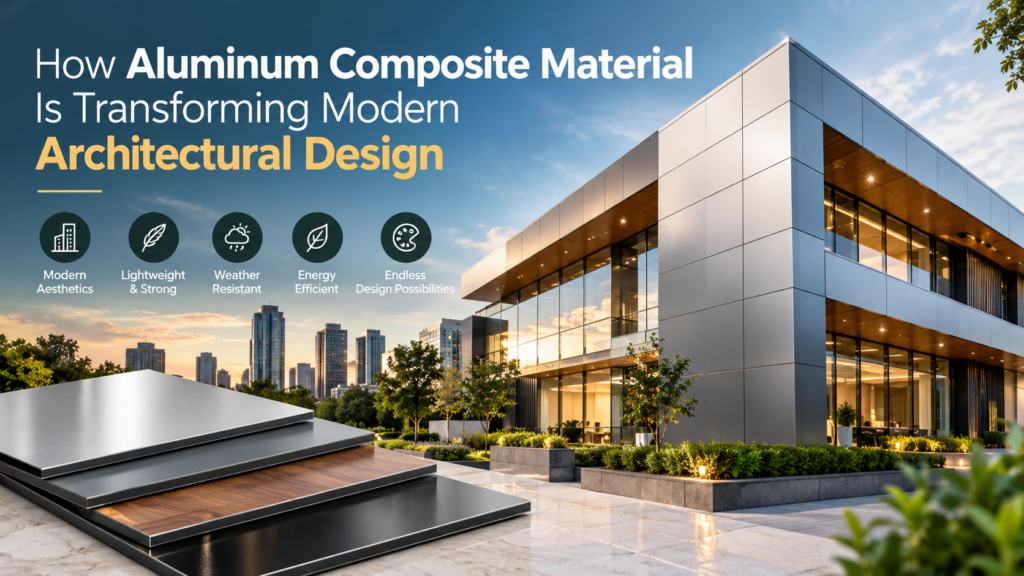
Modern architecture demands materials that combine visual appeal, structural efficiency, and long-term reliability. From commercial buildings to contemporary residential developments, designers increasingly seek solutions that offer creative freedom without adding unnecessary structural weight. This is where aluminum composite material has become an important consideration.
Its layered construction, smooth surfaces, and adaptable characteristics make it suitable for a wide range of architectural applications. Understanding its properties helps architects, builders, and property owners make informed decisions about exterior finishes and building performance.
Understanding the Structure of Aluminum Composite Material
Aluminum composite material consists of two thin aluminum sheets bonded to a central core. This layered construction creates a relatively lightweight yet rigid panel suitable for architectural applications.
Unlike traditional solid metal sheets, aluminum composite material achieves useful stiffness through its sandwich structure. The core helps maintain panel shape while the aluminum surfaces provide a smooth, finished appearance.
Why the Layered Design Matters
The layered structure offers several practical advantages. It helps reduce overall cladding weight, supports consistent surface quality, and allows panels to be fabricated into different shapes.
These characteristics make aluminum composite material particularly useful for projects involving large exterior surfaces, architectural features, and detailed facade arrangements.
However, the performance of a completed assembly also depends on the selected core, attachment system, and installation conditions.
Architectural Applications Across Different Building Types
One reason aluminum composite material remains popular is its flexibility across architectural styles.
Commercial developments frequently incorporate it into exterior elevations, entrance features, and decorative architectural elements. Residential buildings may use it to create modern facade accents or highlight specific structural sections.
Institutional buildings also benefit from the clean appearance and adaptable geometry of composite cladding.
Creating Distinctive Exterior Designs
Designers can incorporate curved sections, folded edges, and geometric patterns when working with suitable aluminum composite material.
Different surface finishes can create subtle architectural contrasts without requiring major changes to the underlying building structure.
Careful planning of panel joints, dimensions, and orientation helps achieve a consistent appearance.
Important Performance Considerations
Selecting aluminum composite material requires more than evaluating its appearance.
Architects should consider the environmental conditions surrounding the building, including wind exposure, temperature fluctuations, moisture, and ultraviolet radiation.
Exterior cladding systems must accommodate movement caused by temperature changes. Appropriate joint spacing and attachment methods help reduce unnecessary stress.
Fire Safety and Building Compliance
Fire performance is another essential consideration.
Aluminum composite material is available with different core compositions, and those compositions can significantly affect fire behavior.
The selected assembly should meet applicable building regulations, testing requirements, and project specifications. Material selection alone does not establish the fire performance of the complete wall system.
Maintenance and Long-Term Appearance
A properly designed facade should remain visually consistent throughout its intended service life.
Regular cleaning helps remove dirt, airborne contaminants, and surface deposits. Cleaning methods should follow the relevant finish recommendations to avoid unnecessary abrasion.
Periodic inspections should also examine joints, sealants, attachment points, and visible signs of damage.
Although aluminum composite material can offer durable exterior performance, actual longevity depends on finish quality, exposure conditions, and maintenance practices.
Sustainability and Responsible Material Selection
Environmental considerations increasingly influence architectural decisions.
Aluminum can be recycled, while the composite construction may reduce the amount of metal required compared with certain solid alternatives.
Nevertheless, the environmental performance of aluminum composite material should be assessed using reliable lifecycle information, including manufacturing, transportation, service life, and end-of-life processing.
Choosing suitable panel dimensions and minimizing fabrication waste can also support responsible construction practices.
Conclusion
Aluminum composite material has established an important place in contemporary architecture because it combines design versatility with practical construction advantages. Its lightweight construction, adaptable finishes, and fabrication possibilities make it relevant to many building types. Successful results depend on thoughtful specification, appropriate safety considerations, and careful installation. By understanding how aluminum composite material performs within a complete facade assembly, architects and builders can create attractive exterior designs that support both functional requirements and long-term architectural value.