PR Strategies for Australian Tech Startups Launching a New Product
A clever idea gets a tech product started in Australia, but it won’t carry you far on its own. What you really need is a PR strategy: something that builds….
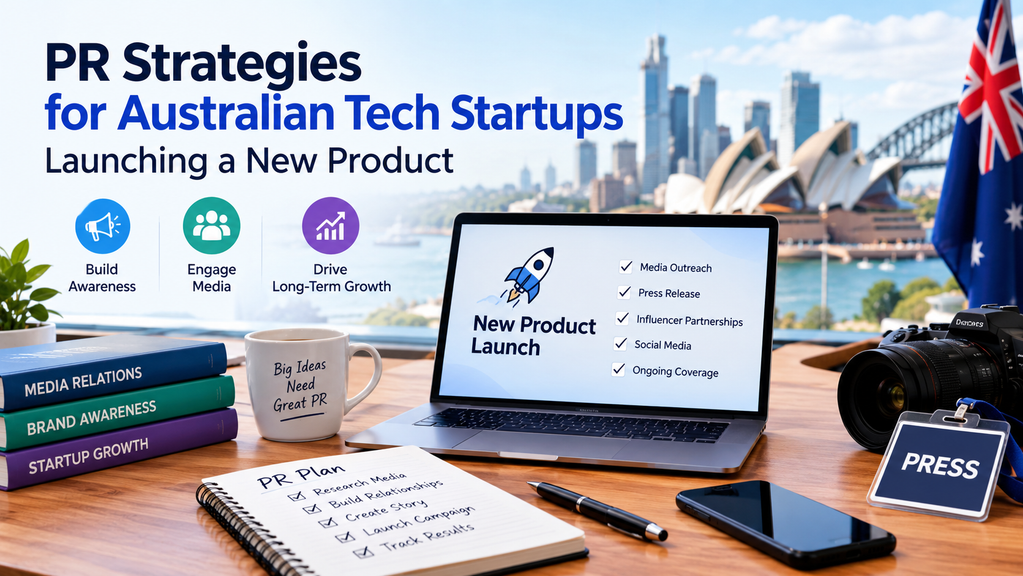
A clever idea gets a tech product started in Australia, but it won’t carry you far on its own. What you really need is a PR strategy: something that builds interest early, wins over the media, and keeps the conversation alive once launch day is behind you. For a startup running on a small budget and even less spare time, that difference matters. It’s often the reason one product gets talked about while another slips by unnoticed.
Think of the whole thing in three stages. There’s the work you do beforehand, the launch itself, and then the stretch that follows.
Laying the Groundwork Before Launch
Here’s the part people get wrong: PR doesn’t kick off the week you go live. The real work happens months earlier, and it’s mostly about people. Journalists and editors here lean toward founders they’ve heard of, so introduce yourself long before you’re asking for coverage. Send a note. Share something you’ve noticed shifting in your industry. Be helpful first.
With a few relationships underway, shift your attention to the story you’re telling. Australian readers warm to things that feel close to home, so drop the generic tech-speak. Explain, plainly, how your product fixes an actual headache for local businesses or everyday customers.
Now put together a press release and media kit shaped around the outlets you genuinely want. A national tech publication and a regional business journal are chasing different stories, so give each its own angle rather than firing off the same pitch to everyone.
Worth doing too: track down the influencers and thought leaders your corner of the industry already pays attention to. A single nod from someone people trust often outperforms a pile of press releases, and in niche tech that trust is basically the whole thing.
Making the Most of Launch Day
Timing does more heavy lifting than most founders realise. Steer clear of a crowded news cycle or a big industry event that’ll bury your announcement. The day of the week factors in as well; Tuesday through Thursday tends to draw more attention than a Monday or a Friday.
Sort out your interviews and appearances in advance, so the moment your embargo lifts, reporters already have what they came for. That means spokespeople who know their lines, a demo that actually works, and any figures someone might request.
Media outreach alone doesn’t get you very far anymore. Pair it with a social push. Your own channels are the place for behind-the-scenes moments, a bit of founder commentary, and customer reactions as they trickle in. All of it gives readers and reporters more to hold onto.
And prepare for the flood: press inquiries pile up during launch week. Name one point of contact who can answer quickly and keep the message steady. Mixed signals at that stage are exactly what you don’t need.
Sustaining Momentum After Launch
The week after launch deserves as much care as the day itself. Go back to the journalists who ran your story. Say thanks, and float a couple of fresh angles they might use later. That’s how a relationship stays warm for the next round.
Don’t let your coverage gather dust, either. Repurpose it: put it on your site, share it on LinkedIn, slip it into a newsletter. Those wins quietly build trust with the customers and investors you’re courting.
Take stock of the numbers as well. Media mentions, referral traffic, share of voice; they tell you what connected and what fell flat, which sharpens whatever you do next.
One last thing. Don’t treat launch as a single event. Keep something ticking over, whether that’s milestone updates, customer stories, or the odd piece of industry commentary, so you’re not forgotten by June.
Building PR Into Your Long-Term Growth Plan
Launch isn’t the end of anything. It’s the opening of a longer relationship with the media and your audience. When there’s no PR experience on the team, targeted tech PR agency services can shape these ideas into a plan fitted to your product, your industry, and where you want to go.
Handle it however suits you, but PR treated as a steady habit rather than a one-off splash keeps rewarding you well past launch day.