From Bean to Barista: The Complete Coffee Journey
Explore From Bean to Barista, from coffee farming and processing to roasting, grinding, brewing, and the skills behind a perfectly crafted cup
From Bean to Barista: The Complete Journey of Coffee
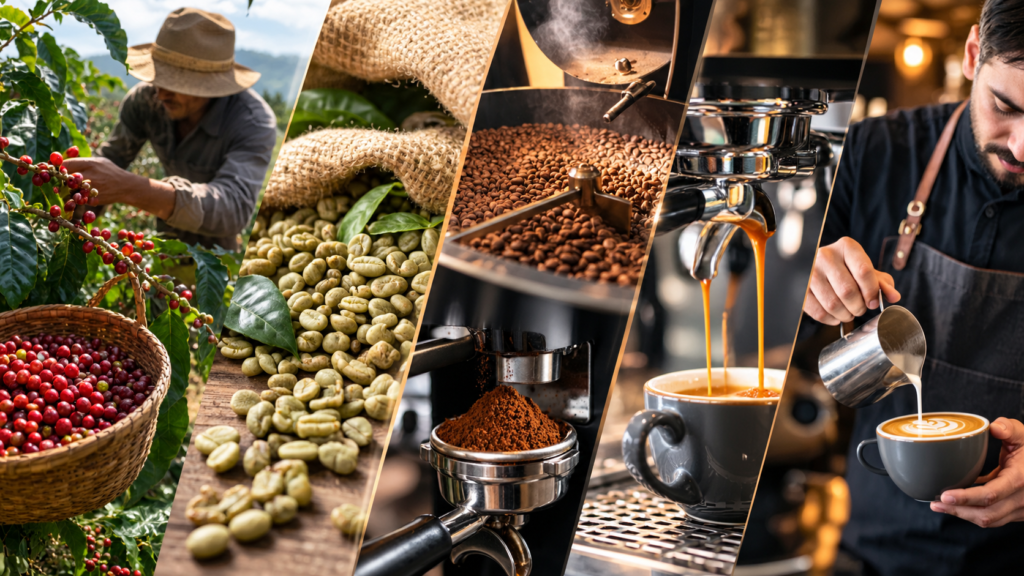
Coffee is more than a morning beverage. It is the result of a remarkable journey that connects agriculture, science, craftsmanship, trade, roasting, brewing, and hospitality. From the moment a coffee seed is planted in fertile soil to the moment a skilled barista serves a carefully prepared espresso, countless decisions influence the final cup.
The story of From Bean to Barista begins at the coffee farm, where climate, altitude, soil, and cultivation practices shape the character of the coffee plant. It continues through harvesting, processing, drying, grading, transportation, roasting, grinding, and brewing. At the end of this chain stands the barista, whose knowledge and technique transform roasted coffee into a finished drink.
Understanding From Bean to Barista provides a deeper appreciation of what appears to be a simple cup of coffee. Every stage contributes something important, and even small differences can affect aroma, sweetness, acidity, body, and overall balance.
What Does From Bean to Barista Mean?
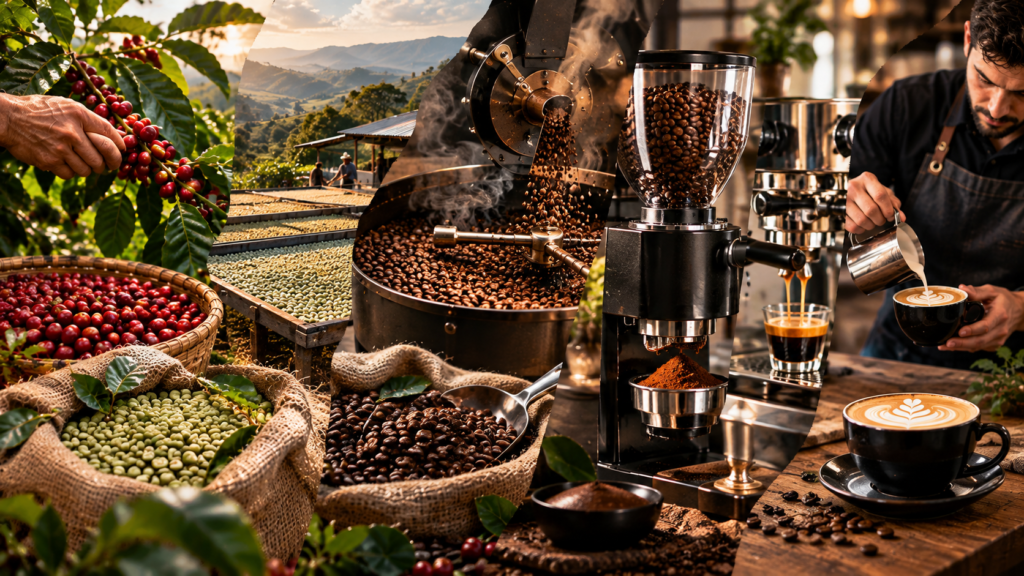
The phrase From Bean to Barista describes the complete path coffee takes before reaching the customer. It connects the agricultural origin of coffee with the professional preparation of the finished beverage.
Also read:Roof Tear Off: Complete Guide to Cost, Process & Benefit
Coffee begins as a seed inside the fruit of a coffee plant. These fruits, commonly called coffee cherries, must be cultivated and harvested at the right stage of ripeness. The seeds are then removed, processed, dried, sorted, transported, and eventually roasted.
Once roasted, the beans enter another important stage. They must be stored correctly, ground according to the brewing method, measured accurately, and extracted under suitable conditions. A barista brings these elements together while also considering presentation and customer preferences.
Therefore, From Bean to Barista is not simply a description of coffee production. It represents a complete system in which farming, processing, roasting, brewing, and human expertise are closely connected.
The Beginning: Growing Coffee
The first stage of From Bean to Barista takes place on a coffee farm. Coffee plants generally grow in tropical regions where temperatures, rainfall, altitude, and sunlight create suitable conditions.
Two of the best-known commercial coffee species are Arabica and Robusta. Arabica is often associated with complex aromas, delicate acidity, and a broad range of flavors. Robusta tends to have a stronger body, higher caffeine content, and more pronounced bitterness.
The environment has a significant influence on the coffee plant. Higher elevations can contribute to slower cherry development, while soil composition and weather patterns also affect the plant’s growth. Farmers must carefully manage shade, irrigation where necessary, pests, disease, and plant nutrition.
This agricultural stage is fundamental because the quality of the raw coffee cannot simply be recreated later. Roasting and brewing can highlight desirable qualities, but they cannot completely compensate for poor-quality green coffee.
Coffee Cherries and Ripeness
Coffee plants produce small fruits known as cherries. Depending on the variety and growing conditions, these cherries can take many months to develop.
A ripe coffee cherry commonly changes color as it matures. Farmers and harvest workers look for cherries that have reached an appropriate level of ripeness because maturity can strongly influence sweetness and flavor.
Harvesting may be performed by hand or through mechanical methods, depending on the farm and its location. Selective hand-picking allows workers to choose ripe cherries individually, although it can require more labor and time.
The harvesting process is an important part of From Bean to Barista because the quality of the harvested fruit establishes the foundation for later stages.
Processing the Coffee Beans
After harvesting, coffee cherries must be processed. The primary objective is to remove the fruit surrounding the seeds while preserving the quality of the coffee.
Several processing methods are widely used. In the washed method, the fruit is removed and the beans are cleaned before drying. Natural processing allows the whole cherry to dry around the seed, potentially creating pronounced fruit characteristics. Honey processing removes some or most of the fruit while allowing a portion of the sticky mucilage to remain during drying.
Each technique can produce different sensory characteristics.
Processing requires careful control because excessive moisture, contamination, poor drying, or improper storage can damage the coffee. This stage demonstrates how From Bean to Barista depends on precision long before the beans reach a roasting facility.
Drying, Sorting, and Grading
Following processing, coffee must be dried to a stable moisture level suitable for storage and transportation. Drying may take place on raised beds, patios, mechanical dryers, or a combination of methods.
The beans are monitored during this stage because uneven drying can create quality problems. Once sufficiently dry, the coffee may be hulled to remove remaining layers surrounding the green bean.
Sorting and grading then help separate beans according to size, density, defects, and other quality characteristics. Specialty coffee production often involves detailed evaluation and careful selection.
At this point in the From Bean to Barista journey, the coffee still looks very different from the dark, aromatic beans familiar to consumers. It remains green and has not yet developed the characteristic flavors associated with roasted coffee.
From Green Coffee to Roasting
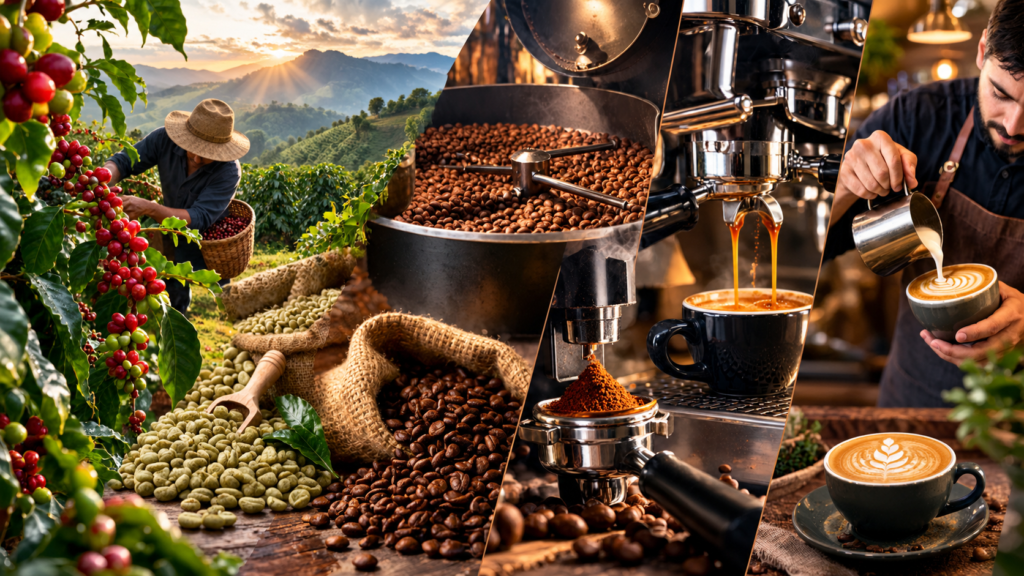
Roasting is one of the most transformative stages in the coffee chain. Green coffee contains chemical compounds that change dramatically when exposed to controlled heat.
During roasting, beans become darker, expand, lose moisture, and develop complex aromas. Chemical reactions create many of the flavors associated with roasted coffee, including caramel-like sweetness, toasted notes, nuttiness, chocolate characteristics, and various fruit or spice impressions.
Roasters carefully control variables such as temperature, airflow, roasting time, and the progression of heat. The objective is not simply to make beans dark. Instead, a skilled roaster aims to develop the characteristics that best suit the coffee.
Light, medium, and dark roasting styles can produce noticeably different results. Lighter roasting often emphasizes origin characteristics and acidity, while darker roasting can create stronger roasted, bittersweet, and smoky flavors.
Roasting therefore represents a major turning point in From Bean to Barista.
The Importance of Freshness
Freshness matters because roasted coffee changes over time. Immediately after roasting, beans contain gases produced during the roasting process. They gradually release these gases, a process commonly known as degassing.
Coffee is also affected by oxygen, moisture, heat, and light. Proper storage can help preserve quality. Airtight containers and stable, cool conditions are generally preferable to exposure to air and humidity.
Freshness does not mean coffee must always be consumed immediately after roasting. Coffee can require a period of rest before brewing, particularly for espresso. The ideal timing depends on the roast, coffee, brewing method, and personal preference.
This is another reason why From Bean to Barista involves judgment rather than a single universal formula.
Grinding: Preparing the Coffee for Brewing
Grinding converts roasted coffee beans into particles that can interact with water. The size of those particles has a major influence on extraction.
A coarse grind is commonly used for methods such as French press, while finer grinds are often used for espresso. Other brewing techniques require different particle sizes.
Consistency is particularly important. If a grinder produces a mixture of very large and very small particles, the coffee may extract unevenly. A high-quality grinder can therefore make a substantial difference in the final cup.
The grinding stage illustrates how From Bean to Barista gradually moves from agricultural production toward technical preparation.
Water and Coffee Extraction
Brewing is essentially the process of using water to extract soluble compounds from ground coffee. However, achieving a balanced result requires attention to several variables.
These include coffee dose, water quantity, water temperature, grind size, brewing time, agitation, and pressure depending on the method.
If coffee is under-extracted, it may taste sharp, sour, thin, or unpleasantly acidic. Over-extraction can create harsh, bitter, or astringent flavors. A balanced extraction allows sweetness, acidity, body, and aroma to work together.
Water quality also matters. Since coffee is primarily water, the mineral composition and overall quality of the brewing water can influence flavor.
The Barista’s Role
The final stage of From Bean to Barista places the human professional at the center of the process.
A barista does much more than operate an espresso machine. Professional baristas understand coffee origins, roasting styles, grinders, extraction, milk preparation, equipment maintenance, and customer service.
For espresso, the barista may adjust the grind, dose, distribution, tamping technique, extraction time, and beverage ratio. Small changes can alter the taste significantly.
Milk-based drinks require additional skill. Milk must be heated carefully and textured to create a smooth, glossy microfoam. The resulting texture influences both the flavor and appearance of beverages such as cappuccinos and lattes.
Espresso as a Craft
Espresso is one of the clearest examples of the technical side of From Bean to Barista. It uses pressure to force hot water through finely ground coffee, producing a concentrated beverage with intense aroma and flavor.
Consistency is crucial. A barista evaluates the appearance, aroma, flow, and taste of the espresso and makes adjustments when necessary.
The goal is not merely to follow a recipe. Coffee changes from day to day because of environmental conditions, bean age, roast characteristics, and equipment. Skilled baristas respond to these changes rather than relying blindly on fixed settings.
Customer Experience and Presentation
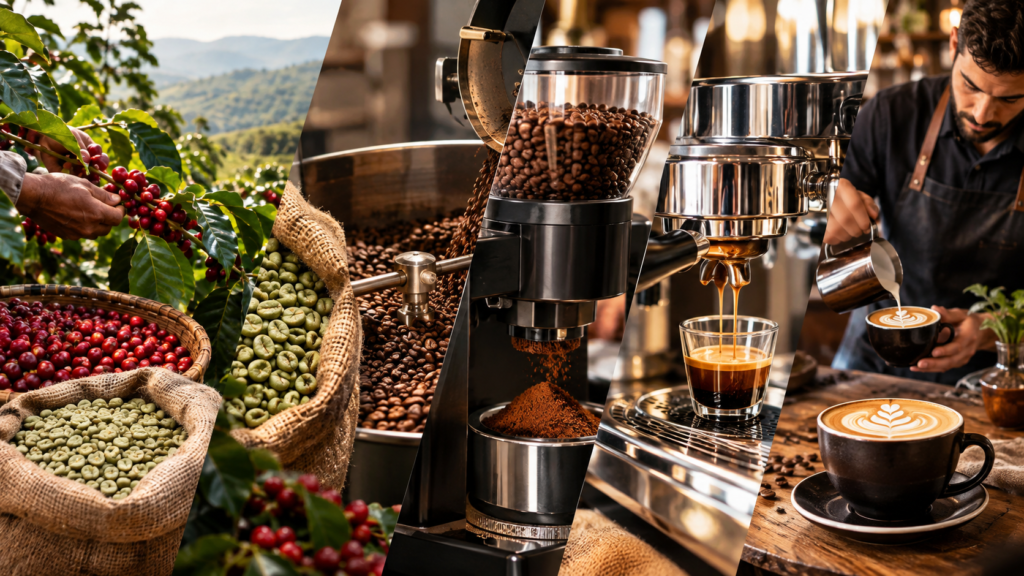
Coffee preparation does not end when the drink is extracted. Presentation and hospitality are also important parts of the modern coffee experience.
A professional barista communicates with customers, explains different coffees when needed, remembers preferences, and maintains a clean and organized workspace. The final beverage should be both technically sound and appropriate for the customer’s expectations.
This human interaction gives From Bean to Barista a distinctive character. The journey begins with a plant but ultimately becomes a personal experience.
Sustainability Across the Coffee Chain
Sustainability has become increasingly important throughout the coffee industry. Coffee production depends on healthy agricultural ecosystems, stable farming communities, responsible water management, and efficient supply chains.
Also read:anaging a Trust With Confidence: Expert Management Guide
Environmental challenges such as changing weather patterns, plant diseases, soil degradation, and rising production costs can affect coffee farmers. Responsible farming practices may help protect soil health, biodiversity, and long-term productivity.
Consumers, roasters, cafés, and coffee companies can also influence the industry through purchasing decisions. Greater transparency can help customers understand where their coffee comes from and how it was produced.
A sustainable approach strengthens every part of From Bean to Barista by supporting the people and environments responsible for producing coffee.
How Coffee Professionals Taste Coffee
Coffee professionals frequently use sensory evaluation to understand quality. Tasting may involve examining fragrance, aroma, acidity, sweetness, body, aftertaste, and balance.
Professional tasting can reveal differences between origins, processing methods, roast profiles, and brewing techniques. It also helps roasters and baristas identify problems and improve consistency.
For everyday coffee drinkers, sensory evaluation does not need to be complicated. Simply paying attention to aroma, sweetness, acidity, texture, and aftertaste can make the experience more enjoyable.
Why From Bean to Barista Matters
The significance of From Bean to Barista lies in the connections between its stages. A farmer’s work affects the green bean. Processing affects its character. Roasting determines how those characteristics develop. Grinding and brewing determine how much of that potential reaches the cup.
The barista then becomes the final interpreter of the coffee.
This perspective encourages consumers to see coffee as a product of many hands and many decisions rather than as an ordinary commodity. It also explains why two cups made from apparently similar beans can taste remarkably different.
The Future of Coffee Craftsmanship
Coffee culture continues to evolve. New processing techniques, improved equipment, advanced roasting technology, sustainable farming practices, and greater interest in traceability are shaping the industry.
At the same time, the fundamentals remain remarkably consistent. Quality begins with good agricultural practices and continues through careful processing, roasting, grinding, extraction, and service.
The future of From Bean to Barista will likely combine technological innovation with traditional craftsmanship. Better tools may improve precision, but human judgment will remain essential in understanding flavor and creating meaningful customer experiences.
FAQs About From Bean to Barista
What does From Bean to Barista mean?
From Bean to Barista refers to the complete journey of coffee from cultivation and harvesting through processing, roasting, grinding, brewing, and professional preparation.
Where does coffee begin?
Coffee begins with the coffee plant, which produces cherries containing seeds that eventually become the green coffee beans used for roasting.
Why is coffee processing important?
Processing removes the fruit surrounding the coffee seed and can significantly influence the flavor characteristics of the finished coffee.
What does a coffee roaster do?
A coffee roaster applies controlled heat to green coffee beans to develop aroma, flavor, body, and other desirable characteristics.
Why does grind size matter?
Grind size determines how quickly water interacts with coffee particles. An unsuitable grind can result in under-extraction or over-extraction.
What skills does a barista need?
A skilled barista needs knowledge of coffee, brewing, espresso preparation, milk texturing, equipment, sensory evaluation, cleanliness, and customer service.
Is freshness important for coffee?
Yes. Roasted coffee gradually changes because of exposure to oxygen and the natural release of gases after roasting. Proper storage helps preserve its quality.
What is the most important stage in From Bean to Barista?
There is no single stage that determines everything. Coffee quality depends on the entire chain, from cultivation and harvesting to roasting and final preparation.
Can processing change coffee flavor?
Yes. Methods such as washed, natural, and honey processing can contribute different sensory characteristics to coffee.
Why do professional baristas adjust their espresso?
Coffee changes according to bean age, roast characteristics, environmental conditions, and equipment. Baristas adjust variables such as grind size and extraction time to maintain a balanced result.
A Journey Worth Tasting
From Bean to Barista reveals the remarkable complexity behind an everyday cup of coffee. What begins as a small seed becomes a carefully cultivated fruit, a processed green bean, a roasted product, and finally a drink prepared through skill and precision.
The journey connects farmers, processors, exporters, roasters, equipment makers, baristas, and consumers. Each contributes to the character of the final cup.
Once this journey is understood, coffee becomes more than a routine beverage. Every aroma, texture, and flavor carries a piece of the work that came before it. That awareness can transform an ordinary coffee break into a much richer appreciation of craftsmanship, agriculture, and human expertise.