How Emerald Origin Influences Quality, Pricing And Market Value
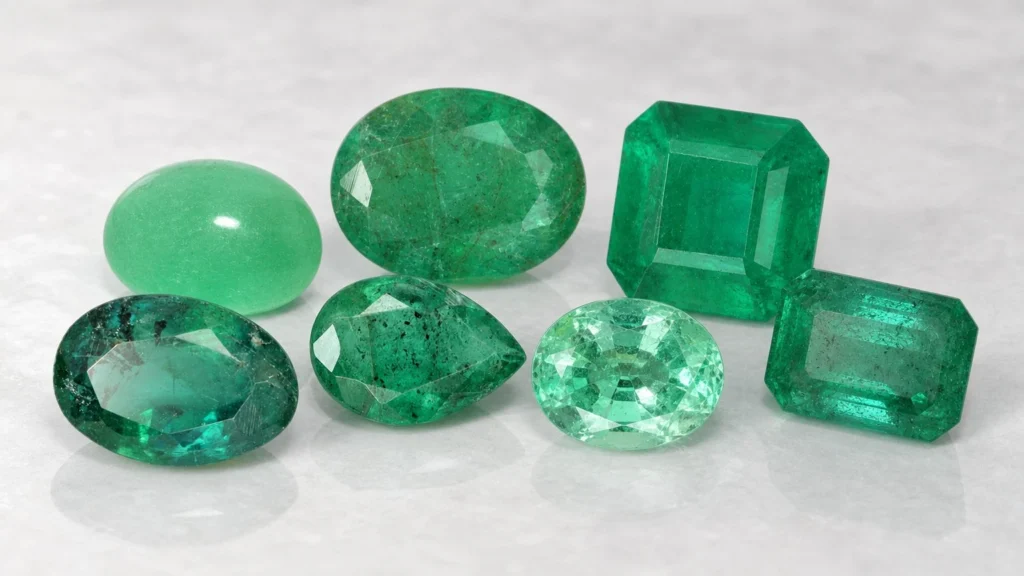
An emerald may look equally beautiful in two different jewellery stores, yet their prices can vary considerably. One important reason is its origin. The geographical location where an emerald forms influences its physical characteristics, market reputation, availability, and demand. Understanding these factors helps buyers look beyond colour and appearance when evaluating a gemstone.
For anyone researching panna ratna price, knowing where an emerald comes from can provide useful insight into its market value. Emeralds are found in several countries, including Colombia, Zambia, Brazil, and Ethiopia. Each region is associated with particular gemstone characteristics, although individual stones can differ significantly within the same mining area.
Origin is not simply a label attached to a gemstone. It is one part of a broader evaluation that includes colour, clarity, transparency, treatments, carat weight, and certification. Understanding how these elements work together can help buyers make more informed purchasing decisions.
Geological Conditions Shape Emeralds
Emeralds belong to the beryl mineral family and receive their green colour primarily from trace amounts of chromium, vanadium, or both. Their formation requires specific geological conditions that allow these elements to interact with the mineral structure.
Different mining regions have distinct geological environments. These differences can influence an emerald’s colour distribution, internal inclusions, and overall appearance. Consequently, stones from separate locations may develop recognisable characteristics that influence buyer preferences.
However, geographical origin alone does not determine quality. Two emeralds from the same mine can have noticeably different appearances and values. Buyers should therefore consider the actual characteristics of each stone rather than relying entirely on its country of origin.
Colombian Emeralds And Their Market Reputation
Colombia has a long-established reputation in the international emerald trade. Its famous mining regions, including Muzo, Chivor, and Coscuez, have supplied emeralds to jewellery markets for generations.
Colombian emeralds are particularly recognised for their attractive green colour. Some specimens display vivid green shades with excellent transparency, making them desirable among collectors and jewellery buyers. However, their quality varies depending on the individual stone.
The strong reputation of Colombian emeralds can influence their market positioning. A well-documented Colombian stone with desirable colour and clarity may attract a premium compared with a similar-looking stone without verified origin information.
Zambian Stones Offer Different Characteristics
Zambia is another important source of natural emeralds, particularly from the Kagem mining area. Zambian emeralds are often associated with rich green colours and relatively good transparency, although individual specimens show considerable variation.
Some stones from this region have a slightly bluish-green appearance. Their colour characteristics can make them appealing to buyers who prefer deeper green tones rather than lighter shades.
The availability of Zambian emeralds in international markets also influences their commercial position. Their pricing depends on individual quality, treatment history, size, and market demand rather than origin alone.
Brazilian And Ethiopian Emerald Supply
Brazil has several emerald-producing regions and offers stones with varying shades of green, transparency, and clarity. Some Brazilian emeralds display lighter colours, while others have deeper green appearances. Their commercial value depends on the characteristics of each specimen.
Ethiopia has also emerged as a recognised source of emeralds. Material from this region can display attractive green colours and good transparency, although quality differs across individual deposits and stones.
The presence of multiple producing countries creates more choices for buyers. Rather than treating one origin as automatically superior, they can compare gemstones based on measurable quality characteristics, verified provenance, and budget. Those planning to purchase emerald stone Bangalore can use these factors to evaluate available options and make a more informed selection.
Colour Remains A Major Pricing Factor
Colour is among the most important considerations when evaluating an emerald. Buyers generally look for an attractive green hue with good saturation and an appealing distribution throughout the stone.
A gemstone with a balanced, vivid green appearance may command a higher price than one with a dull or uneven colour. However, personal preferences also influence purchasing decisions, as some buyers favour darker green shades while others prefer brighter tones.
Origin may help explain certain colour tendencies, but it should never replace direct examination. Lighting conditions can also change how a gemstone appears, making it important to inspect emeralds under suitable lighting before purchasing.
Clarity And Natural Inclusions Matter
Emeralds commonly contain internal inclusions formed during their geological development. These natural features are sometimes described using the French term jardin, referring to the garden-like patterns visible inside certain stones.
Unlike some other gemstones, emeralds are not always expected to have complete clarity. Their inclusions are widely recognised as part of their natural character, although excessive inclusions may affect transparency, durability, and value.
When comparing two emeralds, buyers should examine whether inclusions interfere with the stone’s appearance or structural integrity. A naturally attractive emerald with good transparency may hold greater market appeal than a heavily included specimen, even when both share the same geographical origin.
Comparing Emerald Prices Before Buying
The panna ratna price can vary widely because emeralds are not valued using a single fixed rate. Their commercial value depends on several characteristics, including colour, clarity, transparency, carat weight, geographical origin, treatment status, and current market demand.
For buyers planning to purchase emerald stone, comparing multiple options can provide a clearer understanding of available quality and pricing. Two stones of identical weight may have substantially different values because of differences in colour intensity, clarity, or treatment.
It is also important to consider the intended purpose. Someone purchasing an emerald for jewellery may prioritise appearance and durability, while a buyer interested in traditional astrological practices may have additional preferences regarding gemstone selection. In either case, authenticity and quality documentation deserve careful attention.
Conclusion
The geographical origin of an emerald adds an important dimension to its identity and market value, but it should never be the only factor influencing a purchase. Colombian, Zambian, Brazilian, and Ethiopian stones each offer different possibilities, while individual quality ultimately determines much of their commercial appeal.
A thoughtful buying decision involves examining colour, clarity, transparency, treatments, certification, and pricing together. Buyers who understand these differences are better equipped to recognise genuine value instead of relying exclusively on a gemstone’s country of origin. Exploring available collections and seeking guidance from experienced gemstone specialists can make the selection process more straightforward. Established retailers such as RudraTree provide an avenue for exploring natural gemstones and understanding important considerations before choosing an emerald that matches individual preferences and expectations.