What Is Guided Biofilm Therapy and Why Your Teeth Might Thank You for It
A New Way to Think About Clean Teeth
Imagine a thin, sticky film forming on your teeth every single day, even after you brush. That film is called biofilm, and it’s made up of bacteria that build a home on your teeth whether you like it or not. Most people have heard of plaque, but biofilm is basically the scientific name for the same sticky layer, just described in more detail. If it’s not removed often enough, it hardens into tartar, and that’s when real problems start, like cavities and gum disease.
Dentists have been cleaning teeth for a long time using scraping tools and polishing paste. That method works, but it can feel rough, and it doesn’t always get into every tiny groove where bacteria like to hide. This is where a newer, gentler approach comes in. It uses air, water, and fine powder instead of metal tools to clean teeth more comfortably while still removing the buildup that causes trouble.
Breaking Down the Science Simply
What Exactly Is Biofilm
Biofilm sounds complicated, but think of it like the slimy layer you might see on a rock sitting in a stream for weeks. Bacteria stick together and form a protective layer so they can survive and multiply. In your mouth, this layer forms on your teeth, along your gum line, and even on your tongue. Some bacteria in biofilm are harmless, but others release acids that wear away tooth enamel or cause gums to become inflamed.
Because biofilm rebuilds itself constantly, brushing alone usually can’t remove it completely, especially from the back teeth or spots between teeth. Over time, this leftover film hardens into tartar, which only a dental professional can remove.
Why Traditional Cleaning Has Limits
Traditional cleaning tools do a good job scraping off hardened tartar, but biofilm is softer and spreads across a wider surface area. Scraping tools aren’t always great at reaching every curve of a tooth, and some patients find the scratching sensation uncomfortable. This is part of why dentists started looking for a method that could handle both the soft biofilm and the hardened tartar without causing extra sensitivity or discomfort.
How This Modern Cleaning Method Works
Step One Spotting the Buildup
Before any cleaning begins, a special dye or disclosing solution is sometimes used to show exactly where biofilm has built up. This step helps the dental team see spots that are easy to miss with the naked eye, almost like how a blacklight shows stains you can’t normally see.
Step Two Gentle Air Polishing
Once the buildup is visible, a stream of air, water, and a fine powder is sprayed onto the teeth. This spray removes the soft biofilm layer and early stains without scratching the enamel. It feels more like a light misting than scraping, which makes the whole process far less stressful for people who get nervous at the dentist.
Step Three Removing Hardened Deposits
For areas where tartar has already hardened, a different tool uses gentle vibrations to break it loose. This step is usually quicker than it would be with older tools, because most of the soft buildup was already cleared away in the previous step.
Step Four A Final Check
After both steps are done, the dental team checks the teeth and gums one more time to make sure nothing was missed. This final look helps catch small spots that might need a touch-up before the appointment wraps up.
Who Can Benefit From This Approach
People With Sensitive Teeth
Since this method relies less on scraping, people who usually dread cleanings because of tooth sensitivity often find it much easier to sit through. The gentler pressure means less irritation for the gums and less discomfort overall.
People With Braces or Dental Work
Braces, crowns, and bridges create small gaps where biofilm loves to hide. Traditional tools sometimes struggle to clean around these areas without risking damage. Because this method uses air and powder rather than hard metal tips, it can reach tricky spots more safely.
People Who Want Fewer Visits Over Time
When biofilm is cleared more completely, it takes longer to build back up. That means some patients may be able to stretch out the time between cleanings, although your dentist will always set a schedule based on your personal needs.
Many clinics offering guided biofilm therapy manhattan report that patients return with noticeably less plaque buildup at their next checkup compared to those who only had a standard cleaning. This happens because the process reaches areas that regular brushing and older cleaning tools often miss.
What to Expect During Your Appointment
Before the Cleaning
Your dental team will likely ask about any sensitivity issues, past treatments, or problem areas you want them to pay attention to. This is a good time to mention if you have sore gums or teeth that react to cold or sweet foods.
During the Cleaning
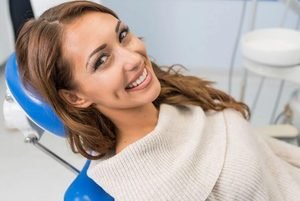
You’ll feel a light spray moving across your teeth, which might feel a bit like a tickle at first. Most people say it’s quieter and less jarring than the buzzing of a traditional cleaning tool. The whole visit usually takes about the same amount of time as a standard cleaning, sometimes even less.
After the Cleaning
Your teeth may feel smoother right away, and many people notice their teeth look a little brighter since surface stains get polished off during the process. There’s typically no downtime needed, so you can go straight back to eating and drinking normally, although it’s smart to wait a short while before having anything very hot or cold.
Comparing This Method to Older Cleaning Techniques
Comfort Level
Traditional scraping tools can feel uncomfortable, especially for people with sensitive gums. This newer method is generally described as gentler, since it relies on a soft spray rather than metal scraping across enamel.
Coverage and Precision
Air and powder can reach curves and grooves that a metal tool might slide past. This means more of the tooth surface gets cleaned evenly, not just the flat, easy-to-reach areas.
Time in the Chair
Because the process often moves faster for standard buildup, some patients spend slightly less time in the chair overall, though every mouth is different, and some cases take a bit longer depending on how much buildup has formed.
Clearing Up a Few Common Misunderstandings
It Is Not Just for People With Gum Disease
A lot of people assume this cleaning method is only for serious dental issues, but it works well as a regular cleaning option for almost anyone, including kids old enough to sit still during a dental visit.
It Does Not Replace Brushing and Flossing at Home
No professional cleaning method can replace daily brushing and flossing. Biofilm starts rebuilding within hours of a cleaning, so keeping up good habits at home is still the most important part of protecting your teeth.
It Is Not Only About Looking Shiny
While cleaner-looking teeth are a nice bonus, the real goal is removing bacteria that can cause cavities and gum problems long before they become painful or expensive to treat.
If you’re curious about trying guided biofilm therapy manhattan, it helps to ask your dentist whether this option is available at your next visit, since not every dental office currently offers it.
Wrapping It All Up
Keeping your mouth healthy isn’t only about brushing twice a day, it’s also about getting the kind of professional cleaning that reaches every hidden corner where bacteria like to settle. This gentler, more thorough cleaning method gives dentists a better way to tackle biofilm before it turns into something more serious, all while keeping the experience comfortable for the patient in the chair.
If you’ve been putting off a dental cleaning because of past discomfort, this might be worth discussing at your next checkup. A quick conversation with your dentist can help you figure out whether this approach fits your needs and your smile.